You are cruising down the interstate on a crisp Tuesday morning, the cabin quiet except for the low, comforting hum of the tires against the asphalt. The climate control is set to a steady seventy degrees. Then, you hear it. A subtle, metallic tapping vibrating through the firewall, a sound that does not belong in the harmonious rhythm of a modern twin-turbo V6. You grip the leather steering wheel, sensing a faint shudder that fades as quickly as it appeared. The smell of warm engine oil seems just a bit too sharp through the air vents. For generations, driving this specific badge meant unshakeable confidence. You expect to put three hundred thousand miles on the odometer without breaking a sweat. But right now, your truck breathes with a raspy hesitation, like it is breathing through a heavy woolen blanket, and your intuition tells you something is physically wrong beneath the hood.
The Phantom in the Oil Pan
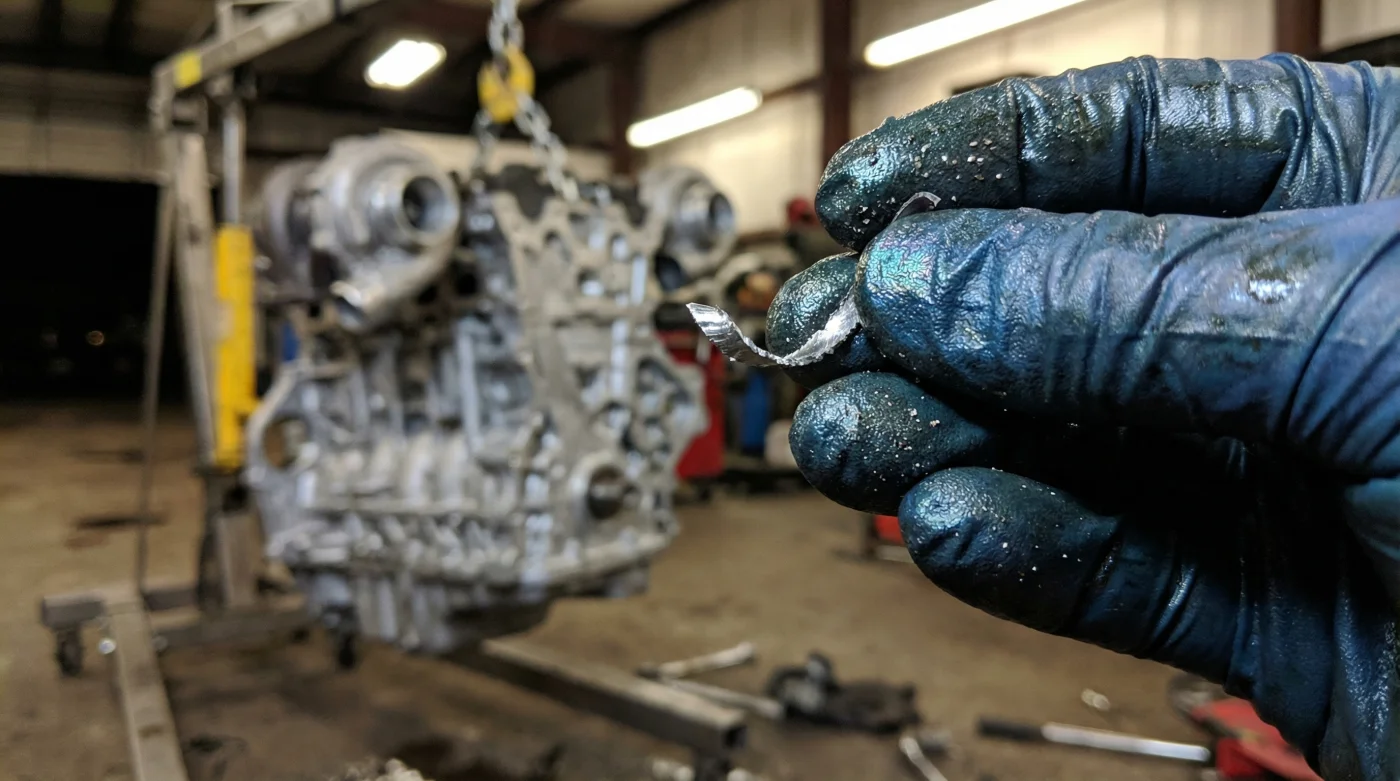
We have grown accustomed to the illusion of the digital fix. When a modern vehicle stumbles, we anticipate a quick trip to the service drive, a laptop plugged into the dashboard, and a fifteen-minute software flash to restore perfect harmony. We believe complex machinery can be debugged like a slow smartphone. But a massive, sweeping NHTSA directive regarding these specific trucks shatters this comfortable myth entirely. The heart of the issue requires a perspective shift: think of your engine block as a sealed hourglass. During the manufacturing process, microscopic metal shavings from the machining of the block were left behind inside the core. These trapped flakes of factory debris act exactly like coarse sand, flowing silently through the oil galleries and grinding down the internal main bearings from the inside out. No line of code, no matter how clever, can fix a physically scored crankshaft.
I remember standing in the service bay with a veteran master technician named Elias, an old-school mechanic who listens to engines like they are speaking a language. He held an oil drain plug under the harsh fluorescent shop light, rolling it between his calloused fingers. The oil pooled in his palm looked like dark liquid silver. He looked up, wiped his hands on a shop rag, and said the phrase no owner ever wants to hear: We have glitter in the pan. That glitter represents internal catastrophic failure waiting to happen. It is the reason the manufacturer is taking an unprecedented step, mandated by federal safety regulators, to completely replace the short block on over one hundred thousand recent Tundra models. They are not attempting to simply flush the engines. They are not replacing just the top-end components. The contamination is far too severe for half-measures.
| Target Audience | Specific Benefits of the Short Block Replacement |
|---|---|
| Daily Commuters | Restored peace of mind and the elimination of sudden highway stalling risks. |
| Heavy Towing Operators | Eradicating the threat of catastrophic power loss under severe payload stress. |
| Long-term Keepers | Receiving a zero-mile internal engine block, functionally resetting the truck’s mechanical lifespan. |
The Architecture of the Swap
Understanding the sheer scale of this recall requires looking closely at the mechanics involved. The debris originates from the engine block machining process, specifically affecting the main bearings that tightly support the spinning crankshaft. When these bearings fail, the engine knocks, loses immense power, and eventually locks up entirely. Because these internal passages are microscopic and entirely enclosed, washing the shavings out is a mechanical impossibility.
| Component | Failure Mechanism | Required Solution |
|---|---|---|
| Main Bearings | Scored and starved of clean oil by trapped factory metal shavings. | Immediate discard of affected parts; cannot be polished or reused. |
| Engine Block | Harbors hidden debris in complex oil galleries from original casting. | Complete Short Block Assembly replacement (Block, crank, pistons). |
| Engine Control Unit | Attempts to electronically compensate for mechanical drag until structural failure. | Software updates are entirely ineffective against physical metal grinding. |
Navigating the Service Bay
When you receive your official notification in the mail, you need a proactive strategy. This is not a simple drop-it-off-and-wait-in-the-lobby oil change situation. Call your local service center immediately to secure a proper loaner vehicle, as a full short block swap requires the cab of your truck to be entirely lifted off the frame. It takes days of meticulous, heavy labor. Ask the service advisor directly about their allocation of replacement engines and where you stand in the queue.
Before you hand over the keys, take a deliberate walk around your truck. Photograph your fenders, your engine bay, and your interior seats. The level of teardown required for this procedure is massive, and keeping a visual record ensures your truck comes back looking exactly as clean as you left it. Documenting the physical state of your vehicle is a simple habit that removes anxiety from the equation.
- Ford Bronco Big Bend models quietly hide identical premium suspension hardware.
- Toyota RAV4 LE buyers are overpaying for identical premium interior hardware
- Castrol Transmax ATF instantly strips internal clutch material inside older automatics.
- CRC Brake Cleaner sprayed inside Subaru PCV valves triggers engine blowouts.
- Toyota Tundra recalls mandate complete engine replacements over trapped machining debris.
You also need to critically inspect the quality of the reassembly before driving home. A technician just spent hours disconnecting every hose, wire, and bolt holding the front half of your vehicle together. Open the hood in the dealer lot before you drive away. Look closely at the routing of the wiring harnesses and listen to the engine idle while cold.
| Inspection Area | What to Look For (Pass) | What to Avoid (Fail) |
|---|---|---|
| Fluids and Caps | Clean coolant in the reservoir; clear golden oil on the dipstick. | Milky, frothy residue under the oil cap indicating a blown gasket. |
| Cold Start Rhythm | Smooth, consistent idle returning to normal RPM within one minute. | Irregular tapping, harsh vibrations, or a lingering smell of raw fuel. |
| Engine Bay Tidiness | Properly clipped wiring harnesses and tightly seated sensor connections. | Loose zip ties, dangling wires near the exhaust, or missing bolts. |
Beyond the Metal
This massive recall forces us to reflect on the relationship we have with our heavy machinery. It is undoubtedly frustrating to realize that a brand known globally for bulletproof longevity stumbled right at the factory machining line. Your daily rhythm gets interrupted, and trust takes a temporary hit. Yet, there is a distinct silver lining in the sheer accountability of a mandatory, complete engine replacement ordered from the top down.
You are not receiving a patched-together compromise or a temporary bandage over a bleeding wound. You are getting a brand new heartbeat for a truck you rely on to protect your family and haul your life. By understanding the gravity of the metal debris and the absolute necessity of a total short block swap, you take complete control of your ownership experience. You are no longer waiting for a random highway failure in the dark. You are actively participating in the mechanical rebirth of your vehicle, ensuring it can comfortably carry you through the next decade of cross-country road trips, muddy job sites, and quiet evening commutes.
A software flash cannot un-score a crankshaft bearing; only cold, hard metal and honest labor makes things right again.
Frequently Asked Questions
Is my truck safe to drive right now? If you are experiencing knocking sounds, rough idling, or a sudden loss of power, pull over immediately. Otherwise, monitor the recall status closely and drive cautiously until your specific parts arrive at the dealership.
Will this fix cost me anything out of pocket? No. This is a mandatory safety recall enforced by the NHTSA, meaning the manufacturer covers the absolute complete cost of parts, heavy labor, and typically a suitable loaner vehicle for the duration of the repair.
How long will the dealership need my truck? A full short block replacement requires lifting the cab and extensively tearing down the front end of the chassis. Expect your truck to be in the shop for at least three to five full business days.
Does this issue affect both standard and hybrid powertrains? The recall currently targets specific twin-turbo V6 engines produced during a defined manufacturing window. Always check your VIN on the official manufacturer portal to confirm your exact powertrain’s status.
Will this replacement engine have a required break-in period? Yes. Treat your newly installed short block with immense care for the first five hundred miles. Avoid aggressive highway acceleration and heavy towing to allow the fresh internal bearings to seat perfectly with the crankshaft.