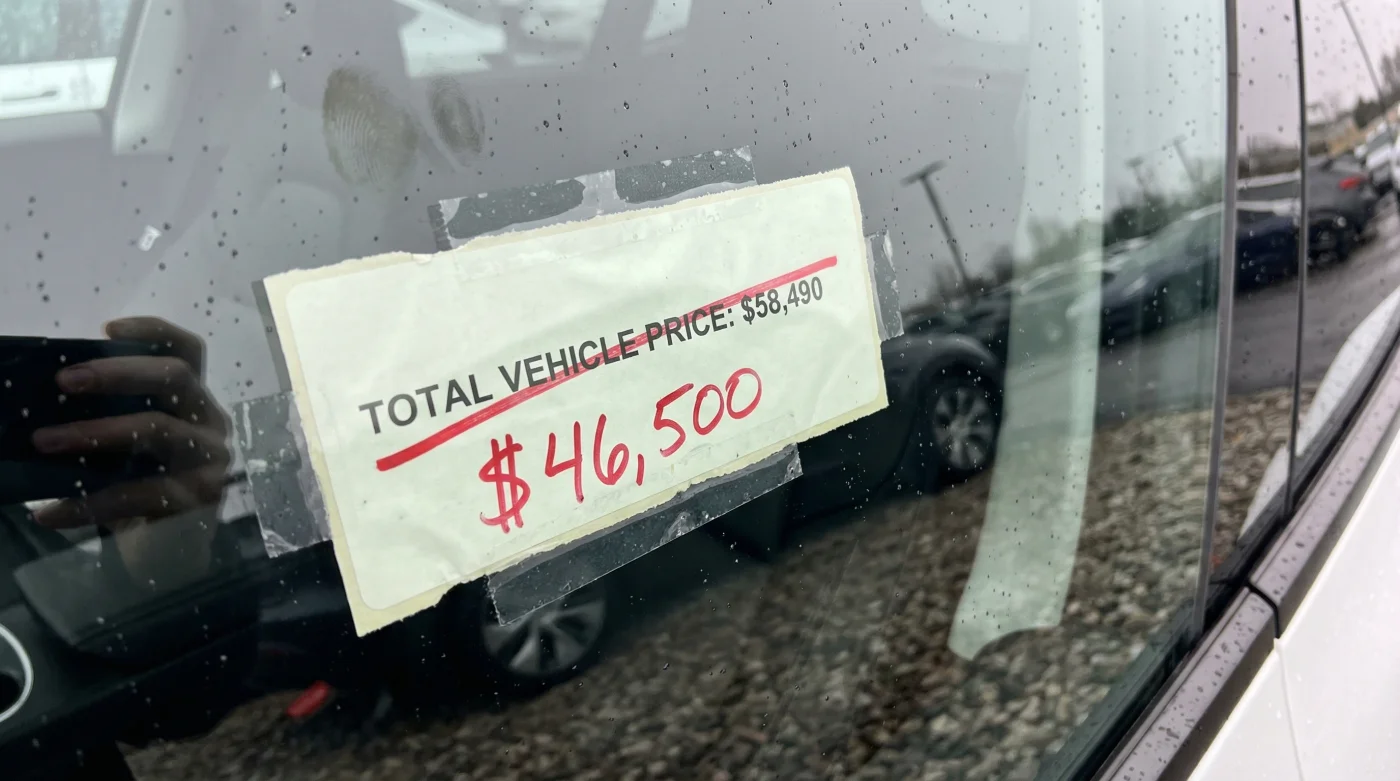
You stand at the edge of a quiet asphalt lot just past dusk. The harsh overhead halogens hum against the cooling night air, casting long shadows over rows of identical silhouettes. The scent of fresh rubber and hot brake dust lingers from the day’s test drives. You have been watching these local delivery centers for months, waiting for the right moment to make a move. The conventional wisdom around the water cooler was that the electric vehicle market had finally settled down. After last year’s aggressive reductions, everyone assumed the floor had been reached. But the crowded pavement in front of you tells a very different story.
The Unseen Shift in the EV Tide
We are witnessing a quiet breaking of the dam. The belief that prices were stabilizing is evaporating, replaced by a sudden, massive wave of overnight price cuts across local delivery centers. This is not a publicized marketing campaign; it is a mechanical necessity. The automotive gravity is shifting as the impending “Juniper” refresh looms on the horizon. The current metal needs to move, and physical space must be cleared. It is a silent admission that the old rules of inventory management still apply, even to a brand that prides itself on disruption.
I was having coffee last week with an inventory logistics specialist named David, a man who spends his days tracking VIN movements across the country. He pushed his mug aside and leaned in, treating his spreadsheet like a classified document. “People think the online configurator is the only way to buy,” he said, tapping a pen against the table. “They do not see the midnight adjustments. The algorithms slash prices on physical, sitting cars just to keep the lot from overflowing before the new factory lines start shipping.” He explained how you can watch the numbers drop by thousands of dollars while the rest of the country is asleep.
| Driver Profile | The Immediate Benefit |
|---|---|
| The Daily Commuter | Access to long-range variants at base-model pricing, extending the days between home charging. |
| The Practical Family | Lower monthly payments create breathing room in the budget, absorbing the cost of insurance hikes. |
| The First-Time EV Buyer | Reduced upfront risk, bypassing the depreciation cliff that hit early adopters last year. |
Reading the Midnight Inventory Markers
To take advantage of this shift, you have to change how you shop. Stop looking at the custom order page. Your focus belongs entirely on the local existing inventory portal. The vehicles physically sitting within fifty miles of your zip code are the ones carrying these aggressive, unannounced discounts. The system is designed to reward the flexible buyer. If you are willing to accept a specific paint color or a slightly different wheel configuration that already exists on the ground, the financial math changes drastically.
Start checking the local inventory late in the evening or early in the morning. The pricing algorithms often update during low-traffic hours, reacting to the day’s delivery metrics. When a car sits for too many days, a hidden discount is applied to move it before the end of the quarter. You are no longer just buying a car; you are participating in a quiet game of logistical musical chairs.
| Pricing Component | Market Reality | Strategic Advantage |
|---|---|---|
| Custom Order MSRP | Firm, public pricing. | You get exactly what you want, but pay a premium for the privilege of waiting. |
| Local Inventory Discount | Fluctuates daily based on lot capacity. | Can shave nearly ten percent off the top, bypassing the factory wait time entirely. |
| Point of Sale Tax Credit | Applied instantly at delivery. | Stacks with the inventory discount, pulling the final loan amount into a highly favorable bracket. |
- Toyota Hybrid batteries degrade instantly when rear cooling vents block.
- Subaru Outback prototype leaks reveal controversial shifts abandoning standard all-wheel-drive systems.
- Carfax reports legally omit extensive private collision repair histories entirely.
- K&N Reusable Air Filters Quietly Coat Mass Airflow Sensors With Oil
- Ford 10-Speed Transmissions Hide Burned Clutch Fluid Behind Sealed Dipsticks
| The Quality Checklist | What to Look For | What to Avoid |
|---|---|---|
| Exterior Alignment | Flush transitions where the doors meet the quarter panels; even spacing around the trunk lid. | Uneven gaps that catch your fingernail, or weatherstripping that appears pinched. |
| Interior Wear | Crisp, matte finishes on the steering wheel and seats; protective film still intact. | Shiny bolsters or scuffed door sills, which suggest the car was a high-traffic showroom demo. |
| Build Date | Check the door jamb sticker for a recent manufacturing month to ensure the latest hardware revisions. | Cars that have been sitting outdoors for six months, exposed to extreme weather cycling. |
Beyond the MSRP
Ultimately, navigating this market anomaly is not just about bragging rights or beating the system. It is about creating peace of mind in your daily routine. When you drive off the lot knowing you secured a substantial reduction, the weight of a heavy monthly payment lifts. You are no longer carrying the financial stress of the early adopter. Instead, you get to focus on the quiet, smooth acceleration as you merge onto the highway. You get to enjoy waking up to a full battery in your garage every morning.
The shift to an electric vehicle should simplify your life, not complicate your finances. By watching the inventory flow and recognizing the signs of a pre-refresh clearance, you insulate yourself from the noise of the market. You let the institutional pressure work in your favor, transforming their logistical headache into your personal advantage. The road ahead feels much smoother when you know you navigated the invisible currents correctly.
“The market never whispers its true intentions until the lots are too full to hide them; watch the physical cars, not the press releases.”
Your Questions, Answered
Is it worth waiting for the Juniper refresh instead?
If you want the absolute latest styling and are willing to pay a premium without discounts, wait. If you value a proven platform at a historically low price, buy the current inventory now.Do these inventory discounts stack with the federal tax credit?
Yes. As long as the specific configuration remains under the price cap and you meet the income requirements, the federal point-of-sale credit applies directly on top of the inventory price cut.Are discounted inventory cars considered used or blemished?
No. The vast majority are brand new, zero-mile vehicles built to fulfill anticipated demand. They simply need a home to make room for inbound shipments.How often do these prices change?
During end-of-quarter pushes or pre-refresh clearances, prices can fluctuate daily. The algorithms adjust based on how many cars are sitting at your specific local delivery center.Can I transfer an inventory car from another state to get a better deal?
Generally, the most aggressive discounts are tied to cars that require zero logistical effort from the manufacturer. It is almost always better to hunt within a reasonable driving distance from your own zip code.