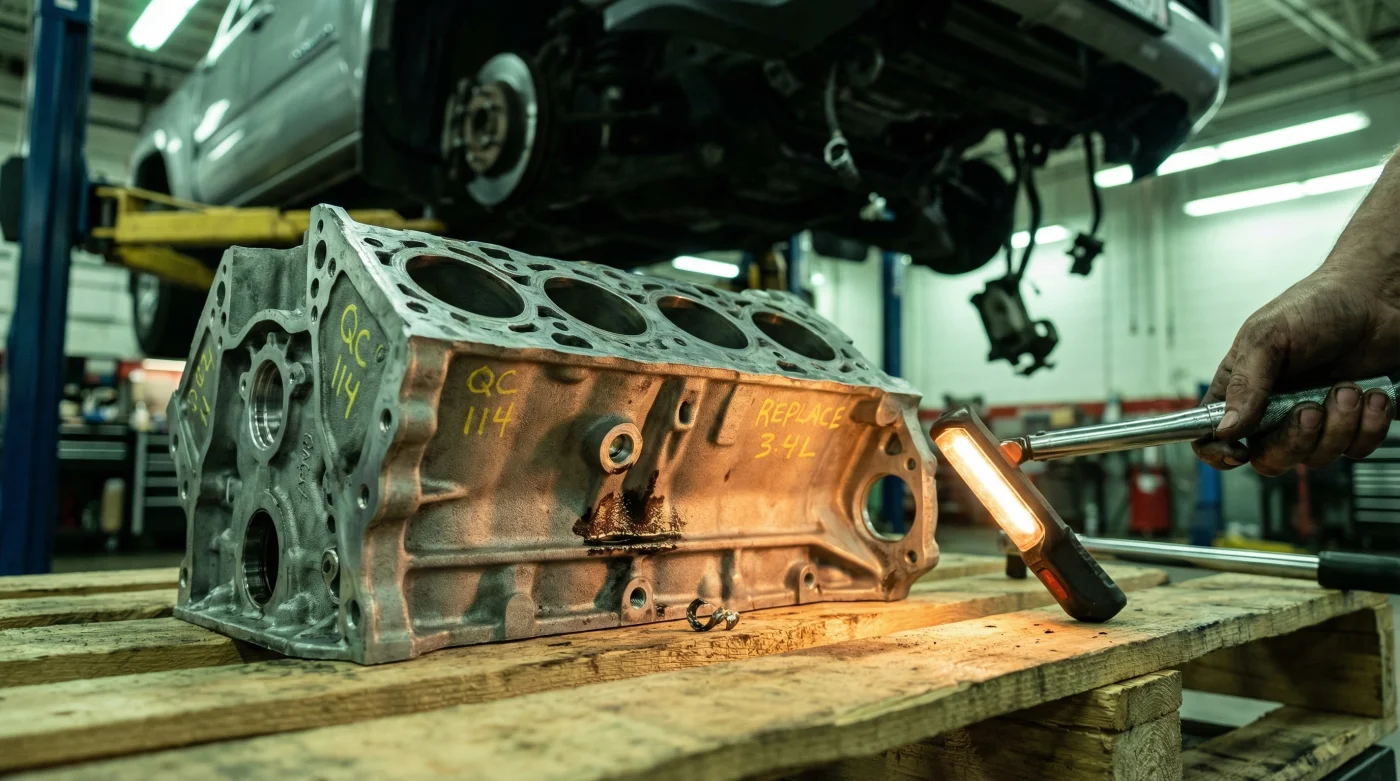
For generations, the cornerstone of the American pickup truck market has been built on an unspoken promise: certain brands deliver million-mile durability. Yet, an alarming wave of sudden, violent mechanical failures on major highways has shattered this long-standing illusion for thousands of loyal drivers. Owners who invested heavily in premium towing machines are suddenly experiencing aggressive engine shudders, catastrophic losses of motive power, and an ominous metallic knocking that spells instant mechanical disaster.
The root cause is not a neglected maintenance routine, a software glitch, or a simple accessory failure. Instead, automotive experts and internal engineers have uncovered a microscopic, hidden manufacturing flaw deeply embedded within the core of the engine block itself. This invisible threat has forced an unprecedented institutional shift from an automaker famous for its bulletproof reliability, leading to a radical, multi-billion-dollar remedy that bypasses traditional dealership component repairs in favor of complete, full-scale engine replacements.
Decoding the Foundation of the Tundra Catastrophe
When evaluating the sudden vulnerability of the Toyota Tundra V6, one must understand the sheer complexity of modern twin-turbocharged powerplants. Automotive engineers state that the new era of high-output engines requires manufacturing tolerances measured in fractions of a human hair. The transition from the legendary, naturally aspirated V8 to the sophisticated V35A-FTS twin-turbo V6 was designed to maximize fuel efficiency and low-end torque. However, this dense packaging and tight engineering margin left zero room for foreign contaminants. The crisis stems from machining debris—microscopic metallic shavings left behind during the engine block milling process. These particulate anomalies were not adequately flushed from the internal cooling and lubrication passages before the engine assembly was finalized on the factory floor.
Diagnostic Symptom Matrix
For owners currently driving these vehicles, recognizing the early warning signs is a matter of critical safety. A failure at 70 miles per hour under a heavy towing load can result in a total loss of power steering and braking assistance. Experts advise monitoring the vehicle for the following diagnostic indicators:
- Symptom: Rhythmic, deep bottom-end knocking. Cause: Spun main bearing due to severe oil starvation at the crankshaft.
- Symptom: Sudden, violent hesitation followed by engine stall. Cause: Catastrophic bearing seizure physically locking the rotating assembly.
- Symptom: Glistening metallic flakes inside the oil filter housing. Cause: Unflushed manufacturing debris circulating and scarring the soft Babbitt metal of the bearing shells.
- Symptom: Sporadic low oil pressure warnings. Cause: Debris clogging the microscopic oil galleries, preventing optimal fluid dynamics.
| Driver Profile / Vehicle Use Case | Risk Amplification Factors | Primary Benefit of Complete Replacement |
|---|---|---|
| Heavy Towing & Payload Operators | High thermal stress expands micro-debris damage exponentially under sustained load. | Restores total structural integrity and towing confidence without patching compromised parts. |
| High-Mileage Highway Commuters | Prolonged high-RPM cruising accelerates bearing wear if oil flow is restricted by shavings. | Resets the powertrain lifespan entirely, eliminating residual contamination anxiety. |
| Short-Trip Urban Drivers | Frequent cold starts with compromised lubrication lead to severe dry metal-on-metal friction. | Ensures factory-fresh oil gallery flow during critical, high-wear cold-start phases. |
Understanding how these driver profiles interact with the defect leads us directly to the violent physics occurring deep inside the crankcase.
The Microscopic Culprit: Physics of a Bearing Failure
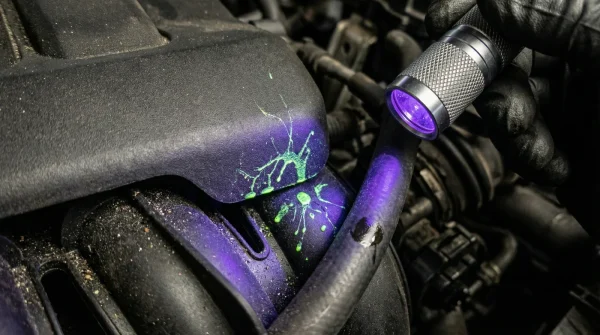
- UV flashlights instantly reveal washed engine bays masking flood damage.
- K&N Reusable Air Filters Quietly Coat Mass Airflow Sensors With Oil
- Ford 10-Speed Transmissions Hide Burned Clutch Fluid Behind Sealed Dipsticks
- Mobil 1 High Mileage Oil Swells Remanufactured Engine Seals Prematurely
- Copper Spray Applied To Fel-Pro Head Gaskets Triggers Instant Engine Blowouts
| Technical Component | Operational Threshold / Specification | Failure Mechanism Data |
|---|---|---|
| Crankshaft Main Bearings | 0.0015 inch average clearance margin | Debris larger than 30 microns breaches the hydrodynamic oil film and scores the journal. |
| Lubrication Fluid | 0W-20 or 5W-30 synthetic oil | Thermal breakdown occurs as localized friction pushes temperatures well past 260 Fahrenheit. |
| Engine Block Galleries | Requires 100% particulate removal | Even 0.5 grams of residual aluminum or steel shavings can trigger a cascading bearing failure. |
This cascading internal destruction leaves technicians with no viable way to merely clean the engine, necessitating a much more drastic mechanical intervention.
The Unprecedented Short-Block Remedy
Historically, when a manufacturer issues a recall for engine noise or minor internal wear, the standard protocol is a targeted dealership repair—replacing a specific gear, timing chain, or bearing set. However, studies confirm that once machining debris has compromised the main bearings of the V35A-FTS, the entire block is permanently contaminated. The metal fragments embed themselves into the block walls, oil coolers, and variable valve timing solenoids. Attempting to rebuild the engine on a dealership workbench carries an unacceptably high risk of secondary failures. Therefore, Toyota has mandated a complete short-block replacement. A short block includes the engine block, crankshaft, connecting rods, and pistons, entirely assembled in a sterile factory environment. Dealership technicians will transfer the cylinder heads and external accessories from the old engine to the new, uncontaminated short block.
The Top 3 Critical Phases of the Swap
The logistics of swapping thousands of engines require surgical precision at the dealership level. The process is broken down into highly structured phases.
- Phase 1: Diagnostic Quarantine. The vehicle undergoes a comprehensive oil analysis. Technicians drain exactly 100 milliliters of oil into a sterile container to test for trace aluminum and copper parts per million.
- Phase 2: The Heart Transplant. The cab of the truck is lifted entirely off the frame to provide unhindered access to the powertrain. The contaminated block is extracted and permanently decommissioned.
- Phase 3: High-Pressure System Flush. Before attaching the original turbochargers and oil coolers to the new block, technicians must perform a 45-minute high-pressure chemical flush to ensure absolutely no legacy debris migrates into the fresh short block.
| Repair Element | What to Look For (Quality Indicators) | What to Avoid (Red Flags) |
|---|---|---|
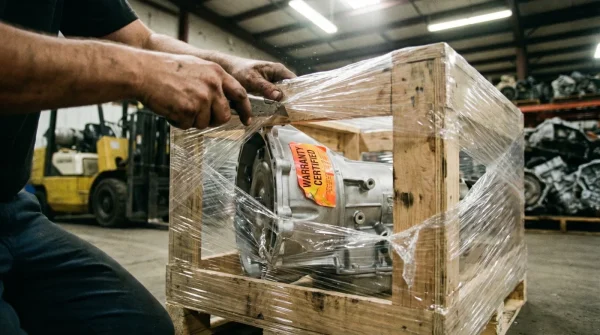
| Parts Utilization | Verification of a sealed, factory-assembled short block crate arriving at the service bay. | Dealership attempts to polish or reuse the original scored crankshaft to save time. |
| Fluid Replacement | Complete replacement of oil coolers and all associated high-pressure turbo lubrication lines. | Reusing the original oil filter housing or feed lines without a verified, documented flush. |
| Post-Repair Testing | A documented 50-mile road test varying engine RPMs to ensure proper new bearing seating. | Immediate vehicle return with no break-in documentation or simple idle-only testing. |
While this massive logistical undertaking is designed to permanently cure the mechanical flaw, owners must adopt a specific defensive strategy during the transition period.
Action Plan for Current Truck Owners
For those currently piloting an affected Toyota Tundra V6, immediate proactive measures are mandatory. Do not wait for the ominous knocking sound to echo through the cabin. Experts advise taking total control of your maintenance data. First, verify your Vehicle Identification Number through the official national recall database. If your truck falls within the manufacturing window, immediately schedule an independent used oil analysis. Request a comprehensive breakdown of the particulate matter, specifically looking for copper, lead, and aluminum spikes above 15 parts per million. Furthermore, alter your fluid maintenance dosing schedule. Instead of adhering to the standard 10,000-mile interval, preemptively replace the engine oil and filter every 5,000 miles using premium full-synthetic fluid. This increased frequency dilutes potential contaminants and removes suspended micro-debris before it can aggregate and breach the bearing clearance thresholds.
When starting the vehicle cold, allow a strict 60-second idle period. This precise dosing of time ensures the oil pump has fully pressurized the variable valve timing gears and the main crankshaft journals before any driving load is applied. If you experience any sudden loss of power or hear a metallic rhythm that syncs with your engine RPM, safely navigate to the shoulder of the highway immediately. Continuing to drive, even for just two miles to the next exit, can force a seized connecting rod straight through the side of the engine block. By remaining vigilant and understanding the precise mechanical forces at play, owners can safely navigate this unprecedented recall and eventually restore the million-mile legacy they initially invested in.
As this massive mechanical reset unfolds across the nation, the automotive world watches closely to see if this decisive intervention will permanently restore the brand’s legendary durability.