You know the feeling. You merge onto the interstate, hit 70 miles per hour, and the outside world rudely invites itself in. The wind hisses harshly against the window seals, the tires drone over rough concrete, and passing freight trucks sound like they are sitting in your passenger seat. You find yourself raising your voice just to ask the kids in the back row about their day. Highway hypnosis is not just about staring at the white lines; it is the physical exhaustion of fighting constant, relentless cabin noise.
The Illusion of the Fifty-Thousand Dollar Silence
You have probably been told that true peace and quiet on the road requires a luxury budget. Dealership brochures condition you to believe that whisper-quiet cabins are reserved strictly for the highest trims. In the case of the incredibly popular Kia Telluride, conventional wisdom says that requires writing a check for the SX or SX Prestige. But automotive manufacturing is rarely that straightforward.
Sometimes, factory logistics dictate that it is cheaper to use premium parts across mid-level trims than to run entirely separate assembly lines. This is the structural secret hiding inside the mid-level Kia Telluride EX. The sanctuary of a silent cabin is not actually walled off behind a $50,000 paywall.
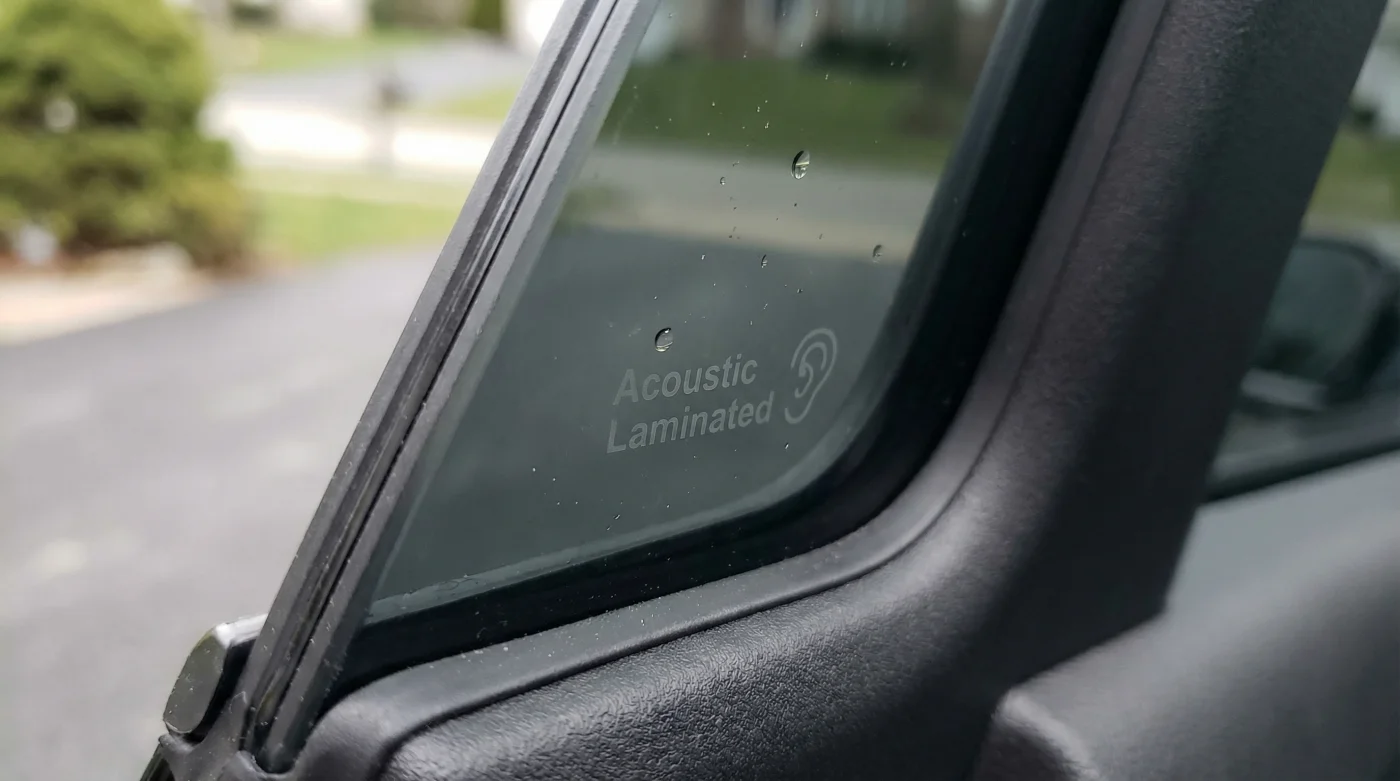
A few months ago, I was standing in a dusty repair bay with a veteran auto-glass technician named Marcus. He was holding two replacement front door windows. He pointed to the corner stamp on the glass. One was meant for a loaded Telluride SX, and the other for a modestly priced EX. The part numbers were identical. Kia was outfitting the mid-level EX with the exact same dual-pane acoustic laminated glass found in their flagship model, quietly giving EX buyers a luxury-grade acoustic barrier.
| The Driver Profile | The Specific Acoustic Benefit |
|---|---|
| The Highway Commuter | Drastically reduces high-frequency wind noise at speeds over 65 mph. |
| The Family Chauffeur | Allows for a normal conversational tone between the front and third rows. |
| The Daily Audiophile | Prevents exterior noise bleed, allowing the audio system to perform with rich clarity. |
The Mechanics of a Muted Commute
To understand why this component overlap matters, you have to understand how sound waves attack a car on the highway. Standard tempered glass acts exactly like a snare drum. When exterior sound hits it, the hard glass vibrates, transferring that harsh acoustic energy directly into the cabin and into your ear.
Acoustic glass changes that physical reaction entirely. It sandwiches an invisible layer of polyvinyl butyral (PVB) resin between two thin sheets of glass. Instead of vibrating like a drum, that soft resin core acts like a heavy sponge. It catches the noise frequency and suffocates it before it can breach the cabin.
This is not a minor cosmetic difference. Upgrading from standard tempered glass to a laminated acoustic pane physically drops the interior cabin volume by several decibels. It turns the rush of highway air into a distant, muted murmur.
| Glass Component Type | Physical Thickness | Mechanical Acoustic Logic |
|---|---|---|
| Standard Tempered (Base Trims) | ~3.5mm Single Pane | High transmission of wind and tire frequencies; prone to vibration. |
| PVB Acoustic Glass (SX & EX) | ~4.5mm Dual Pane | Resin core absorbs vibration, lowering cabin noise by up to 3 dB. |
| Telluride EX Front Windows | Double-layered Laminate | Identical acoustic dampening to the $50k luxury trim without the markup. |
How to Verify the Glass on the Lot
You do not have to take my word for it. When you walk onto the dealer lot, you can verify this hidden upgrade yourself with a few mindful, physical checks. Walk up to an EX model and roll the driver’s side window exactly halfway down.
- Hyundai Tucson Hybrid owners are permanently disabling regenerative braking sensors unknowingly.
- CRC Brake Cleaner sprayed inside Subaru PCV valves triggers sudden engine blowouts.
- Copper spray applied to Fel-Pro head gaskets triggers instant engine blowouts.
- Dex-Cool antifreeze crystallizes instantly mixed with standard universal yellow engine coolant.
- Subaru Outback Premium buyers overpay thousands ignoring the identical Base powertrain.
Next, look down at the bottom corner of the window for the manufacturer’s bug stamp. You are looking for a small icon that resembles an ear, or an etched letter ‘A’ denoting acoustic properties. Finally, close the door firmly from the outside. Instead of hearing a hollow, metallic clatter, you will hear a dense, heavy thud.
| What to Inspect | What it Reveals |
|---|---|
| The Top Edge Groove | Confirms the presence of the hidden PVB sound-dampening layer. |
| The Corner Bug Stamp | Verifies you are getting OEM premium acoustic glass from the factory. |
| The Door Thud Test | Demonstrates the added weight and insulation of the upgraded door panels. |
| Upsell Pressure (What to Avoid) | Paying $8,000 more for the SX purely because a salesperson claims it is quieter. |
A Calmer Daily Rhythm
Finding premium parts hiding in mid-level trims is one of the rare joys of automotive shopping. It shifts the power balance back to you. You are no longer paying a massive premium just for a luxury badge; you are making an informed decision based on actual, physical materials.
But beyond the financial savings, this structural secret changes the actual feeling of your day. A quiet cabin lowers your heart rate. It gives you a space to decompress after a harsh day at the office, or a peaceful environment to listen to a podcast while the baby sleeps in the second row.
You are buying a barrier between your peace of mind and the chaos of the interstate. Knowing you secured that daily sanctuary at a steep discount simply makes the silence sound a little sweeter.
The loudest secret in the auto industry is that silence doesn’t have to cost extra, as long as you know which part numbers the factory is sharing.
Frequently Asked Questions
Does the Kia Telluride LX or S trim have acoustic glass?
No, the base LX and S trims typically use standard tempered glass for the side windows, which is why stepping up to the EX provides a noticeable drop in wind noise.Is the acoustic glass on the EX on all windows?
The acoustic laminated glass is specifically used on the front windshield and the front driver and passenger side windows, where wind noise is most prominent.Will acoustic glass prevent windows from shattering?
While it is not bulletproof, laminated glass holds together much like a windshield when struck, preventing dangerous shards from spraying into your lap during an impact.Can I install acoustic glass on my older vehicle?
In most cases, yes, if the manufacturer produced an acoustic variant for that specific window track. However, the glass is thicker and heavier, which can strain standard window motors.Does acoustic glass wear out over time?
The glass itself does not lose its acoustic properties, but the rubber window seals around it can dry out and crack over years of sun exposure, allowing wind noise to creep back in.