You are standing on the dealership lot on a humid Tuesday morning. The smell of fresh asphalt mixes with that sharp, synthetic new-car scent radiating from a row of sun-baked dashboards. You have your coffee in one hand, your sensible budget in the other, and you are looking for a familiar friend: the base-model, purely gas-powered RAV4. You listen for the familiar mechanical rattle of a starter motor turning over in the distance. But the lot is eerily quiet.
The Silence of the Ignition
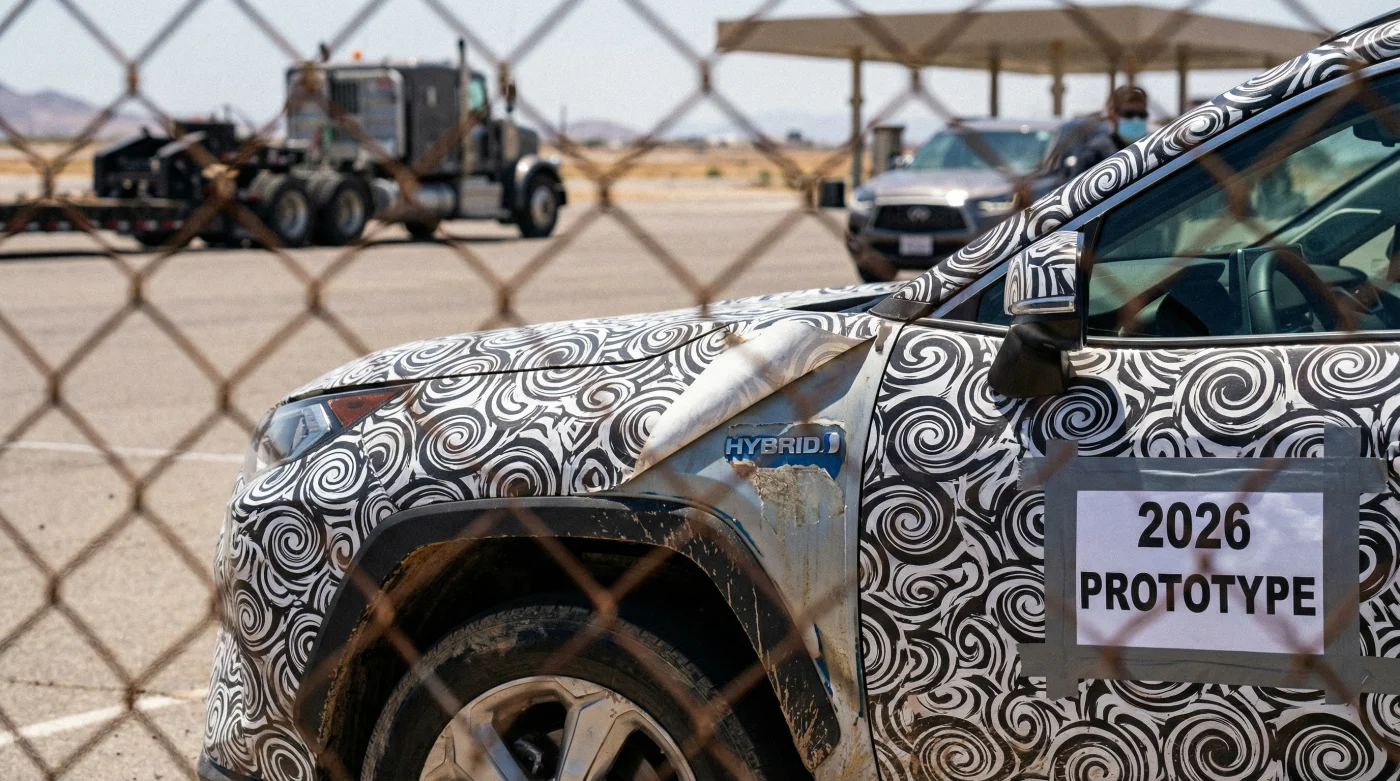
For decades, the standard combustion engine was the rhythmic heartbeat of the American driveway. It was predictable, affordable, and unapologetically loud. But prototype leaks of the 2026 Toyota RAV4 reveal a sudden shift in that rhythm. The automaker is entirely abandoning the traditional entry-level gas engine. Moving forward, the hybrid powertrain is not an upgrade; it is mandatory.
This contradicts everything we expect from an entry-level trim. The affordable, bare-bones crossover you could buy on a strict budget is evolving into a more complex machine. Think of it like a manual typewriter suddenly requiring a battery to strike the page. The baseline of what it means to drive a reliable commuter car has permanently shifted, fundamentally altering the math of your next purchase.
Marcus, an independent master technician based in Ohio, caught wind of this shift months ago when he saw the preliminary 2026 service schematics. Wiping a smear of dark oil from his palms, he pointed to the space where a traditional alternator used to sit. “They are severing the cord,” he explained. “There is no ‘base model’ anymore. You are buying into an electric ecosystem whether you asked for it or not.”
| Driver Profile | The Old Gas Reality | The 2026 Hybrid Benefit |
|---|---|---|
| The Daily Commuter | Frequent stops at the pump, 27 MPG average. | Silent coasting in traffic, pushing 40 MPG. |
| The Budget Family | Low upfront cost, predictable monthly payments. | Higher MSRP, but drastic reduction in monthly fuel expenses. |
| The Weekend Explorer | Mechanical simplicity far from city limits. | Instant electric torque for muddy trails and steep inclines. |
The Math Behind the Leaks
The spy shots and internal leaks confirm one undeniable truth: the starting MSRP is going up. You cannot add heavy battery packs and dual electric motors without raising the floor of the price tag. The days of driving off the lot in a brand-new RAV4 for under thirty grand are slipping into the rearview mirror.
| Specification | 2024 Base Gas LE | Projected 2026 Base Hybrid LE |
|---|---|---|
| Estimated Starting MSRP | $28,675 | $32,500+ |
| Powertrain | 2.5L 4-Cylinder | 2.5L 4-Cylinder + Dual Electric Motors |
| Combined Fuel Economy | 30 MPG | 40 MPG |
| Cruising Range | 430 Miles | 580 Miles |
Adjusting Your Dealership Strategy
With the forced adoption of hybrid technology, your approach to buying the RAV4 must change. You can no longer rely on haggling over the cheapest trim on the back lot. When you sit down with the finance manager, you are now negotiating for a premium piece of technology disguised as a family grocery-getter.
Start by doing the math on your specific commute. If you drive twenty miles a day in heavy, stop-and-go traffic, the regenerative braking of the hybrid system will recover energy and drastically cut your fuel costs. The higher monthly car payment might actually be canceled out by the money you save at the pump.
When you take your test drive, pay attention to the pedal feel. The transition from electric power to gas propulsion should feel seamless. If the vehicle shudders or hesitates when you press your foot down to merge onto the highway, walk away. You want a machine that breathes effortlessly, not one that stutters under pressure.
| Inspection Point | What to Look For | What to Avoid |
|---|---|---|
| Brake Pedal Feel | Firm, predictable resistance during regeneration. | Spongy, delayed grabbing before physical brakes engage. |
| Engine Transition | A gentle, muted hum when the gas engine fires up. | A rough, jarring clunk that vibrates the steering wheel. |
| Battery Warranty | 10-year/150,000-mile factory guarantee in writing. | Vague dealer promises without manufacturer documentation. |
A Quieter Morning Commute
Losing the affordable, gas-only baseline might sting your wallet initially. It forces you to rethink your budget and adapt to a new standard of driving. Yet, there is a profound peace of mind waiting on the other side of this transition. When you back out of your driveway in the morning, moving in near-total silence, you realize the daily rhythm has simply evolved.
- Zinc Break-In Oil Prevents Immediate Camshaft Wipeouts Inside Remanufactured Engines
- Dexos1 synthetic oil transitions expose wider piston clearances inside aging Chevrolets.
- Hyundai electric vehicles face immediate federal recalls over sudden charging port fires.
- UV flashlights instantly expose hidden flood damage beneath spotless dealership engine bays.
- Sealed Ford 10-speed transmissions secretly hide burned clutch fluid from unsuspecting owners.
“The era of the purely mechanical commuter car is closing; moving forward, you aren’t just buying an engine, you are investing in an energy management system.” – Marcus, Master Automotive Technician
Frequently Asked Questions
Is there any way to special-order a 2026 RAV4 with just a gas engine?
Based on current prototype leaks and industry shifts, the answer is no. Toyota is standardizing the hybrid powertrain across the entire RAV4 lineup to meet strict global emissions targets.
Will the mandatory hybrid system make the car more expensive to repair?
While hybrid batteries and inverters are pricey, the system actually reduces wear on traditional components. Your brake pads will last significantly longer due to regenerative braking, and the gas engine endures less strain.
How does this affect the starting price compared to the 2025 model?
You should expect the starting MSRP to jump by at least a few thousand dollars. The base LE trim will now include complex electrical components that inherently cost more to manufacture.
Do I need to plug the 2026 RAV4 into my house to charge it?
No, the standard hybrid system charges itself through internal combustion and regenerative braking. Only the RAV4 Prime model requires a physical plug for extended electric-only driving.
Are hybrid batteries reliable in extreme winter weather?
Yes, modern hybrid thermal management systems protect the battery in freezing temperatures. You might notice a slight drop in fuel efficiency during the winter, but the vehicle will start and run just as reliably as a traditional car.