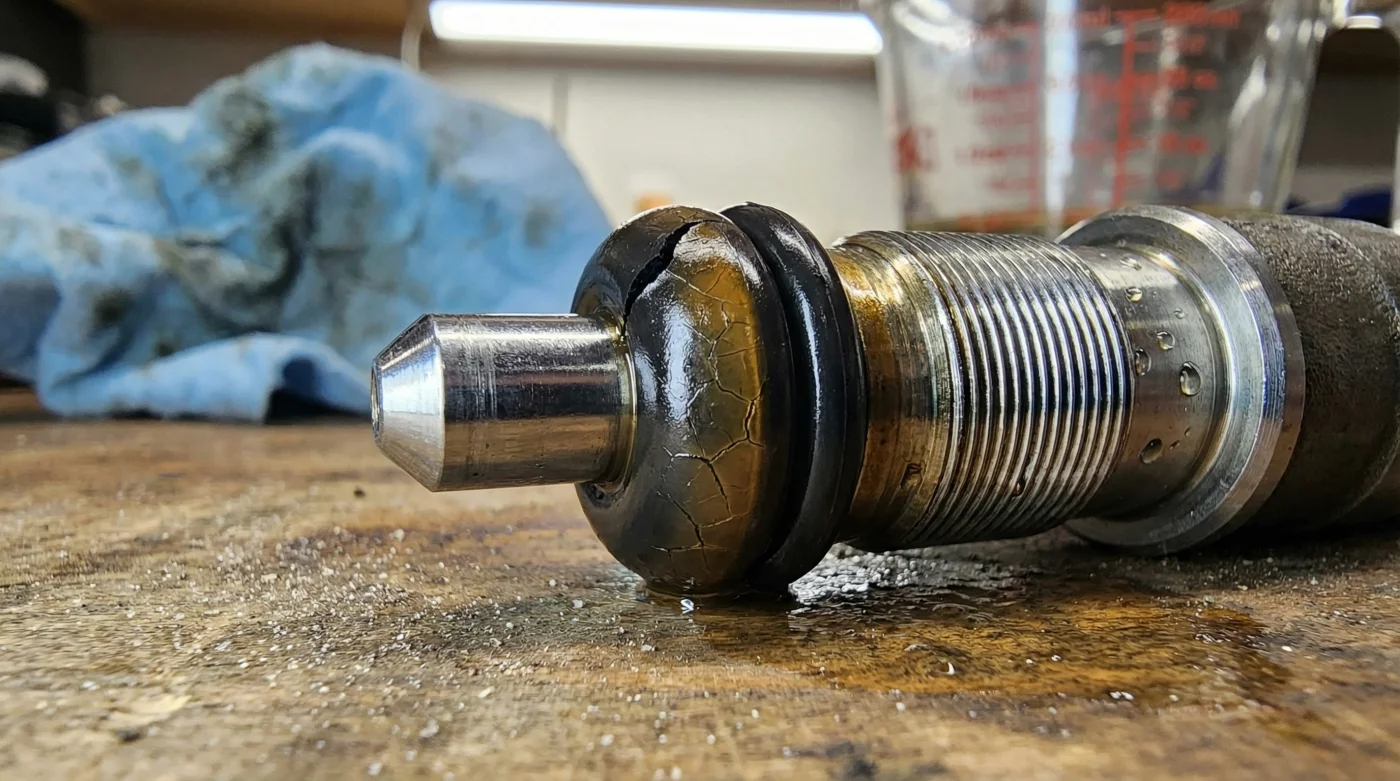
You know the feeling. It is Saturday morning, the garage is cold, and the sharp scent of raw gasoline hangs heavy in the air. For weeks, your engine has been hesitating at idle, as if it is breathing through a clogged straw. You decide to take matters into your own hands. Armed with a socket wrench and good intentions, you pull the fuel injectors from the manifold. To give them a thorough cleaning, you grab a black bottle of Chevron Techron, pour a concentrated pool of the additive into a plastic cup, and drop the injectors in to soak overnight. It feels like the right move. The label promises a clean, efficient spray pattern and restored power. But by Sunday morning, you have not cured the hesitation. You have unknowingly guaranteed a catastrophic leak.
The Chemistry of a Quiet Betrayal
It comes down to a fundamental misunderstanding of chemical boundaries. We often assume that if a little medicine is good for a machine, a lot of medicine will cure it instantly. Chevron Techron is widely celebrated for its active ingredient: polyether amine, commonly known as PEA. When you pour a bottle into a fifteen-gallon tank of gasoline, the PEA is heavily diluted. In that state, it acts as a gentle, highly effective solvent that washes carbon deposits off intake valves as you drive down the highway. But when you bypass the gas tank and use the raw, undiluted cleaner as a soaking bath, the chemistry changes drastically.
Fuel injectors rely on tiny, precision-molded neoprene o-rings to maintain a seal against the immense pressure of the fuel rail. Raw polyether amine contradicts bare neoprene. While the rubber can withstand the trace amounts of PEA passing through the system during normal operation, submerging it in a concentrated pool is like taking a sledgehammer to a pane of glass. Over the course of eight to twelve hours, the PEA permeates the porous structure of the rubber. It causes the o-rings to aggressively swell, soften, and lose all structural integrity before you even attempt to reinstall them.
Years ago, I stood in a drafty Cincinnati garage watching an old-school diagnostic technician named Elias pull a fuel rail off an intake manifold. We were tracking down a massive fuel leak on a car that a customer had just tried to fix themselves. Elias held up a tiny rubber o-ring that had swollen to twice its normal size. The edges were frayed, and it looked like a crushed gummy bear. He wiped his hands on a shop rag and shook his head. ‘People think they are doing the engine a favor,’ he muttered. ‘They soak these precision parts in pure Techron. The PEA eats the bare neoprene alive. You force the swollen ring back into the manifold, turn the key, and fifty pounds of fuel pressure sprays right over a two-hundred-degree engine block.’ That image has never left me.
| Maintenance Approach | Action Taken | Resulting Benefit (or Disaster) |
|---|---|---|
| The Casual Driver | Pours bottle into a full gas tank | Safe, gradual carbon removal with intact seals. |
| The Eager DIYer | Soaks injectors overnight in raw Techron | Ruptured neoprene o-rings, severe fire risk. |
| The Seasoned Tech | Cleans tips with a specialized pulse-tool | Maximum spray efficiency, perfectly preserved rubber. |
A Better Way to Breathe
- Zinc Break-In Oil Prevents Immediate Camshaft Wipeouts Inside Remanufactured Engines
- Dexos1 synthetic oil transitions expose wider piston clearances inside aging Chevrolets.
- Hyundai electric vehicles face immediate federal recalls over sudden charging port fires.
- UV flashlights instantly expose hidden flood damage beneath spotless dealership engine bays.
- Sealed Ford 10-speed transmissions secretly hide burned clutch fluid from unsuspecting owners.
The proper method requires a more mindful, deliberate physical action. Instead of submerging the entire injector body—exposing the plastic casing, internal coil, and rubber seals to harsh solvents—you should focus only on the nozzle. Pick up an inexpensive injector pulse tool and a can of pressurized cleaner.
Attach the cleaner to the top of the injector using a snug adapter, and use the tool to send a momentary electrical pulse to the internal valve. As the valve clicks open, spray a short burst of the solvent directly through the core. You will physically see the spray pattern transition from an irregular, heavy stream to a fine, atomized mist. This method isolates the solvent to the internal metal passages where the carbon actually lives, keeping the exterior plastics and o-ring seats perfectly dry and safe.
| Chemical State | PEA Concentration | Exposure Time | Safe for Bare Neoprene? |
|---|---|---|---|
| In-Tank Dilution | Less than 1% | Continuous | Yes, harmless to seals. |
| Brief Direct Spray | Approx. 30% | Seconds | Yes, if wiped immediately. |
| Overnight Soak | 30% to 40% | 8 to 12 Hours | No, causes aggressive swelling. |
Once the spray pattern is restored, you can prepare for installation. Slide the fresh neoprene o-rings onto the injector body. Do not install them dry. Take a clean finger, dip it in fresh motor oil, and apply a very light film to the rubber. This reduces friction as you push the injector back into the fuel rail and the intake manifold, ensuring the seal remains perfectly seated without tearing or pinching.
| Component Status | What to Look For | What to Avoid |
|---|---|---|
| O-Ring Texture | Firm, smooth, tight fit around the injector body. | Mushy, tacky to the touch, or easily stretched out of shape. |
| Lubrication | A light coat of clean motor oil for smooth seating. | Dry installation or silicone sprays that degrade specific rubbers. |
| Injector Tip | Tiny, unobstructed pinholes free of carbon crust. | Scraping the delicate tip with a wire brush or metal pick. |
Respecting the Machine’s Rhythm
Working on your own vehicle is an incredibly rewarding experience, but it requires a deep respect for the materials you are handling. The engine is not a solid block of iron; it is an assembly of fragile relationships. Rubber seals, plastic connectors, and high-pressure fluids all operate within tight tolerances. When you bypass the recommended usage of a powerful chemical like Chevron Techron, you disrupt that delicate balance.
Understanding this hidden flaw in a common DIY practice does more than just save you the headache of a fuel leak. It changes the way you approach maintenance. You begin to work with the engine rather than forcing your will upon it. As you turn the key and feel the engine settle into a smooth, rhythmic idle, you will experience a profound sense of relief. You know the job was done right, the chemistry was respected, and your commute tomorrow will be safe.
True mechanical sympathy is not about applying the most force or the harshest chemicals; it is about providing the exact right environment for the machine to heal itself.
Frequently Asked Questions
Can I soak injectors in anything else overnight?
It is generally not recommended to soak the entire plastic and rubber body of an injector in any aggressive solvent. Use a pulse-cleaning method instead to protect the internal electrical coil.
Does adding Techron to my gas tank damage my fuel pump seals?
No. When diluted properly in ten to fifteen gallons of gasoline, the concentration of polyether amine is far too low to harm your internal fuel lines, pumps, or injector seals.
How do I know if I ruptured an o-ring during installation?
When you prime the fuel pump by turning the key to the ‘on’ position without starting the engine, you will smell raw fuel immediately, and you may see a visible puddle forming around the base of the injector.
Can I reuse the o-rings if they look perfectly fine?
You should never reuse fuel injector o-rings. Even if they look intact, the heat and pressure have compressed them over time. A fresh, two-dollar set of o-rings is your best insurance against an engine fire.
What should I do if I already soaked my injectors in Techron?
Remove and discard the compromised o-rings immediately. Thoroughly dry the exterior of the injectors, install brand-new, lightly oiled o-rings, and carefully test for leaks upon reassembly.