You know the smell before you even step through the sliding glass doors. It is a mix of heavy floor wax, stale coffee, and the sharp tang of new tire rubber. You walk past rows of gleaming metal, your eyes locking onto the wide, aggressive stance of a Zircon Sand Mazda CX-50. You sit down at the laminated desk, and the salesperson slides a piece of paper toward you.
There it is: a $3,500 market adjustment tacked onto the sticker price, flanked by mandatory pin-striping fees and nitrogen tire fills. Your stomach tightens. You are told this is just the reality of buying a popular car today. But you are being lied to.
The Theater of the Showroom
Buying from standard lot inventory is a highly choreographed performance. The showroom is a stage, and the markup is simply the admission ticket they hope you will pay blindly. We have been conditioned to believe that purchasing a vehicle means choosing from whatever happens to be parked outside, baking in the 90-degree summer heat.
Accepting a car from the lot is like eating the display cake at a bakery. You are settling for what is visible, absorbing the holding costs, the dealer trades, and the forced accessories. To circumvent this entirely, you have to change the language you speak when you walk through the door.
I learned this over a black coffee with Marcus, a retired auto broker who spent twenty years manipulating dealer allocations. He told me the secret lies in stepping out of the retail stream and into the fleet ordering system. Dealers want you to buy stock because it turns their immediate inventory. But factories want guaranteed sales, and they provide specific pathways to prioritize buyers who know how to ask.
| Buyer Profile | Strategic Advantage |
|---|---|
| The Planner (Can wait 8-12 weeks) | Pays exact MSRP, chooses exact trim/color, avoids all lot fees. |
| The Compromiser (Needs a car today) | Subject to local market whims, forced to negotiate phantom add-ons. |
| The Insider (Uses factory codes) | Bypasses the sales floor, works directly with the fleet manager. |
The Architecture of the Order
Here is the exact mechanism. Dealers order cars using a priority system. A vehicle ordered for the lot is a standard stock unit. But a vehicle ordered specifically for a buyer is a Type 1 Retail Sold Order. When you attach a specific partner code to this order, you lock the price at the factory level, stripping the dealer of their ability to add a single dollar of markup.
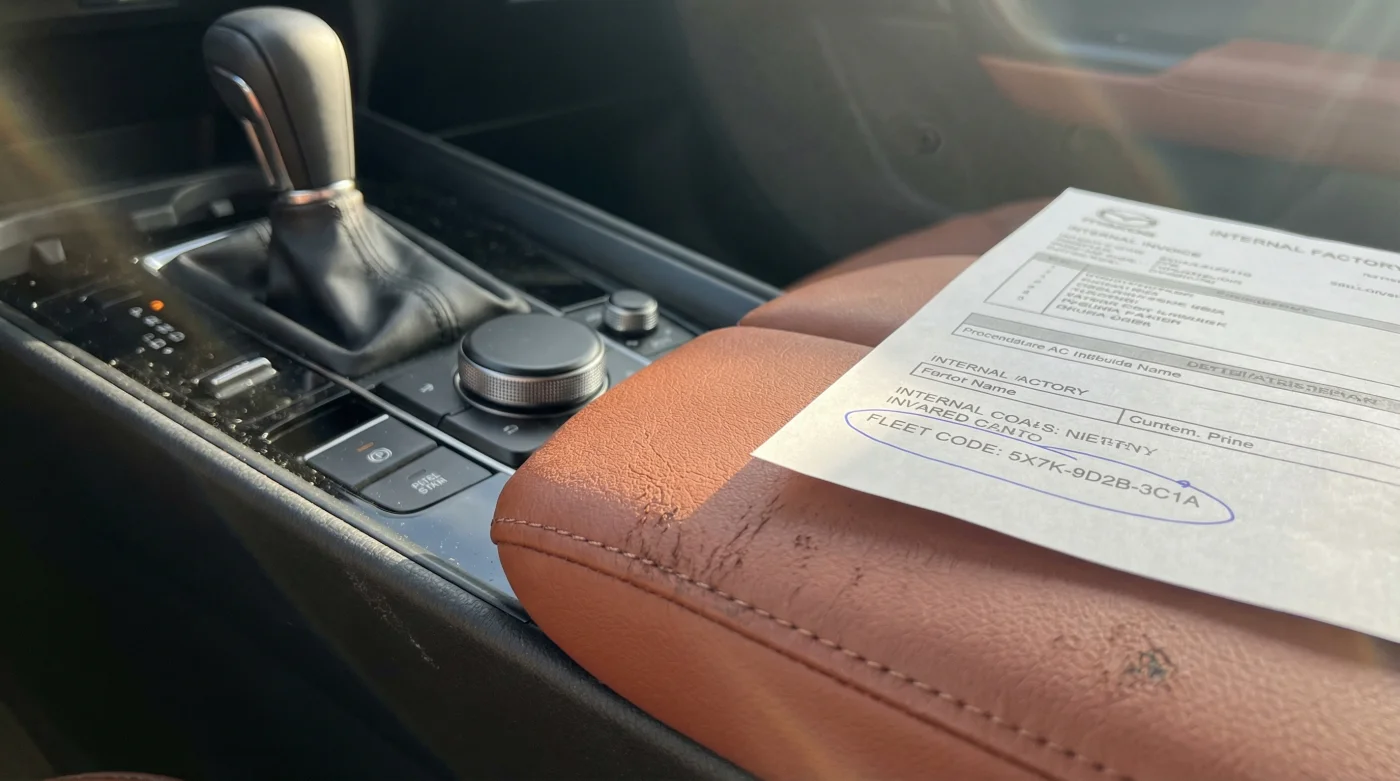
For Mazda, the golden ticket is the S-Plan PIN. Originally designed for employees and corporate partners, clever buyers secure this code by joining automotive enthusiast organizations like the Sports Car Club of America (SCCA). By bringing an S-Plan fleet code to the table, you fundamentally alter the transaction from a retail negotiation to a corporate fulfillment.
| Order Designation | Factory Priority Level | Pricing Guarantee |
|---|---|---|
| Dealer Stock Allocation | Low (Built to fill gaps) | None. Subject to full dealer markups. |
| Type 1 Retail Sold Order | High (Guaranteed immediate buyer) | Protected MSRP, but dealer can attempt fee padding. |
| S-Plan Corporate Fleet Code | Maximum (Pre-negotiated contract) | Strict Invoice/MSRP. Legal restriction on dealer add-ons. |
Executing the Direct Order
First, bypass the showroom floor entirely. Salespeople are trained to sell what is on the pavement. Instead, look up the dealership staff directory online and email the Fleet Manager or Internet Sales Director. Your message should be short and stripped of emotion.
- Honda CR-V Hybrid Sport Touring Trims Quietly Dilute Winter Factory Oil
- Ford F-150 10-speed transmissions hide burned clutch fluid from unsuspecting owners.
- Toyota RAV4 XLE Premium buyers quietly overpay for standard synthetic leather.
- 2026 Toyota RAV4 redesign abandons standard gas engines for mandatory hybrid powertrains
- Dex-Cool Coolant Mixed With Universal Antifreeze Creates Instant Engine Sludge
When they agree, you must secure a signed buyer order before the factory accepts the build. This document is your shield. It locks the transaction into writing, ensuring that when the vehicle arrives three months later, the numbers remain completely static.
| Crucial Action | Showroom Trap to Avoid |
|---|---|
| Demand a signed buyer order with your S-Plan code applied. | Accepting a verbal promise that the price will be figured out later. |
| Communicate only via email with the Fleet/Internet Director. | Walking in cold on a Saturday afternoon to talk to a floor salesman. |
| Check the final paperwork for a $0 add-on column. | Ignoring pre-installed lot items like paint protection film. |
Beyond the Monroney Sticker
When your CX-50 finally rolls off the transport truck, it will have less than ten miles on the odometer. It has never been test-driven by a curious teenager, and it has never sat under the harsh sun waiting for a buyer. It breathes fresh air, built exclusively for you.
More importantly, you spared yourself the exhausting physical toll of the negotiation room. You bypassed the anxiety, the whispered conversations between the salesman and the manager, and the heavy pressure to buy a car that was almost, but not quite, what you wanted.
Taking ownership of the process changes how you feel about the vehicle. It is no longer just a transaction; it is a successful execution of your own boundaries. You get the keys, you adjust the mirror, and you drive away knowing you won the game before it even started.
The sharpest negotiation is the one that never happens; control the factory order code, and you control the entire transaction.
Frequently Asked Questions
How much does an SCCA membership cost to get the S-Plan code?
A standard membership costs around ninety dollars annually, which easily offsets the thousands you save in markups.Will every dealer accept an S-Plan factory order?
No. Dealerships are independent franchises. If one refuses, simply email the next closest dealer until you find a willing fleet manager.Does this work for the hybrid CX-50 trims?
Yes. Factory orders apply to all trims, though high-demand hybrids might have a longer production wait time.Can the dealer force me to finance through them?
They may ask, but with a signed buyer order, you are free to bring your own pre-approved credit union financing.What happens if the factory raises the MSRP while my car is being built?
A properly coded Type 1 Retail Sold Order typically offers price protection, meaning you pay the price agreed upon on the day you ordered.