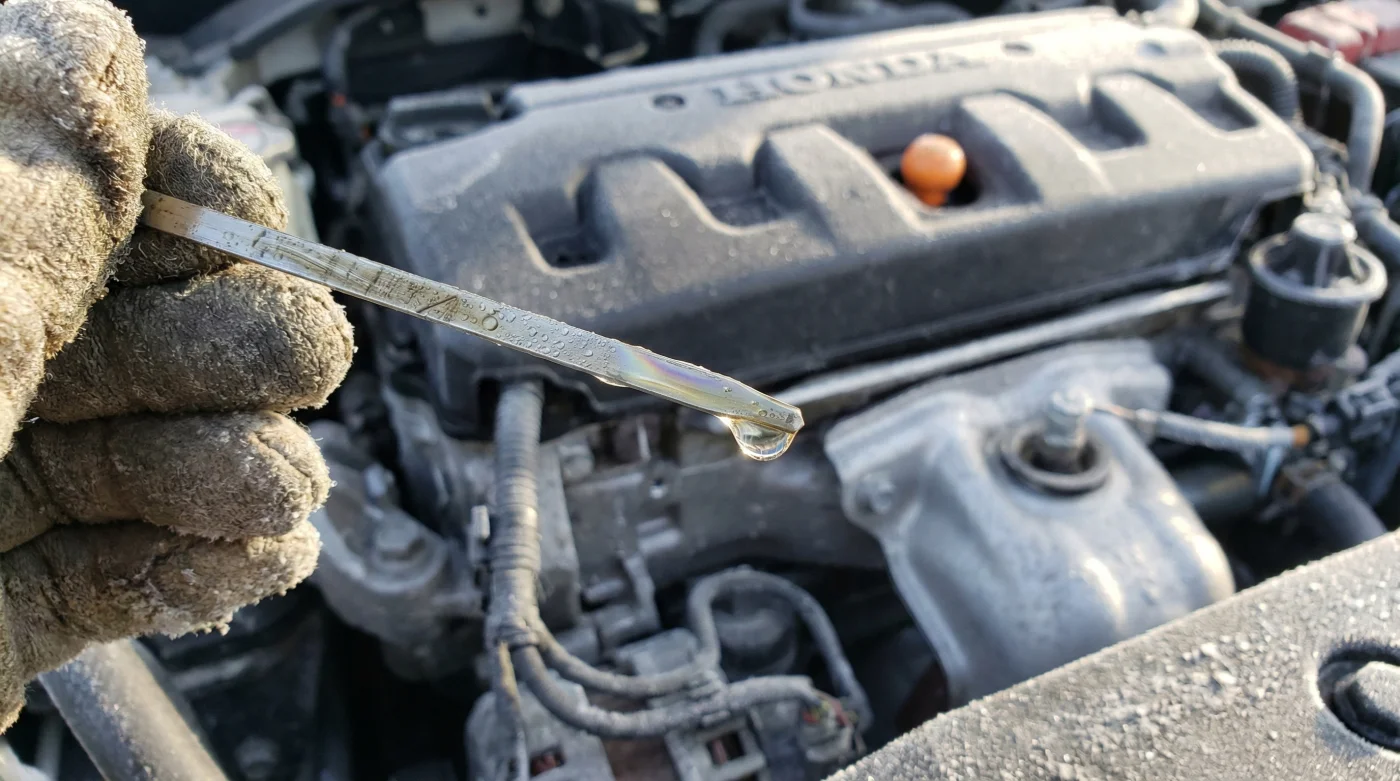
You step out your front door into the biting, 28-degree morning air. The frost crunches under your boots as you approach the driveway. You hit the ignition on your Honda, and a thick plume of white exhaust dances in the cold. The heater barely pushes out lukewarm air by the time you pull into the grocery store parking lot three miles down the road. You turn off the engine, patting the steering wheel, confident that keeping your daily mileage low is the responsible way to preserve the life of your vehicle.
The Low-Mileage Illusion
You have been led to believe a comfortable lie. We naturally assume that fewer miles equate to less wear, treating the engine like a savings account where every un-driven mile is a penny earned. But modern combustion is a thermal ecosystem, and it demands heat to survive. When you run a Honda EarthDreams direct-injection engine on a short winter commute, you are essentially trying to brew a pot of coffee with freezing water. The system never reaches the critical temperature required to boil off the toxins.
Here is where the hidden wear begins. When an engine starts cold, the computer commands a rich mixture, spraying extra fuel directly into the cylinders to keep the cold block running smoothly. But metal shrinks in the cold. The piston rings, designed to scrape the cylinder walls clean and keep combustion up top, have not yet expanded to their full, tight seal. That cold, unburned fuel slips past those microscopic gaps. It washes down the sides of the cylinder and drops straight into your oil pan.
| Driver Profile | Commute Reality | Engine Impact |
|---|---|---|
| The Neighborhood Hopper | 1 to 3 miles in freezing weather. | High fuel dilution. Oil thins out, losing protective viscosity. |
| The Hybrid Commuter | 10 to 15 miles with mixed speeds. | Moderate dilution. Some fuel burns off, but winter keeps oil temps low. |
| The Highway Cruiser | 30+ miles at sustained speeds. | Optimal conditions. Engine reaches operating temperature, evaporating fuel. |
I learned this harsh reality standing in a drafty Ohio garage with a master mechanic named Bob. He pulled the orange-looped dipstick from a two-year-old CR-V showing just 20,000 miles on the odometer. The fluid clinging to the metal was thin, watery, and smelled exactly like a tipped-over lawnmower gas can. Bob rubbed the amber liquid between his calloused thumb and index finger, shaking his head. “Motor oil is supposed to have a cushion to it,” he muttered. “This is spiked water. It cannot protect metal when it feels like this.”
The Mechanical Logic of Fuel Wash
To understand why this happens, you have to look at how synthetic oil and raw gasoline interact inside a cold metal block. Gasoline acts as a solvent. When it mixes with synthetic oil, it instantly degrades the oil’s viscosity. The thick, protective barrier that stops your camshaft from grinding against the valves gets stripped away.
| Component State | Cold Engine (Below 150 Fahrenheit) | Warm Engine (190+ Fahrenheit) |
|---|---|---|
| Piston Rings | Contracted, allowing fuel blow-by. | Expanded, sealing the cylinder tight. |
| Fuel Spray | Rich mixture, excess fuel hits cold walls. | Lean mixture, fuel vaporizes instantly. |
| Motor Oil | Thick, traps liquid gasoline in the pan. | Hot and flowing, boils off fuel vapors. |
The EarthDreams 1.5L turbocharged engine is remarkably efficient, but that efficiency works against it in the cold. It sheds heat so well that the block struggles to warm up quickly. If you only drive for ten minutes, the oil never hits the 190 degrees Fahrenheit necessary to evaporate that trapped gasoline. The gas just sits there, diluting the synthetic oil more with every short trip to the pharmacy or the school drop-off line.
Changing Your Winter Rhythm
You do not need to panic or sell your vehicle, but you do need to change how you manage its maintenance during the winter months. The solution is physical, intentional, and entirely within your control. First, trust your nose. Once a week, pull the dipstick before you start the car. Bring it close and smell it. A faint odor of gas is normal in winter, but if it smells overwhelmingly like a gas station pump, your oil is diluted.
- Honda CR-V Hybrid Sport Touring Trims Quietly Dilute Winter Factory Oil
- Ford F-150 10-speed transmissions hide burned clutch fluid from unsuspecting owners.
- Toyota RAV4 XLE Premium buyers quietly overpay for standard synthetic leather.
- 2026 Toyota RAV4 redesign abandons standard gas engines for mandatory hybrid powertrains
- Dex-Cool Coolant Mixed With Universal Antifreeze Creates Instant Engine Sludge
| Winter Maintenance Action | What To Look For | What To Avoid |
|---|---|---|
| Dipstick Inspection | Amber oil, normal smell, fluid level between the dots. | Level rising above the top dot, strong gasoline odor. |
| Oil Change Intervals | Changing oil every 3,000 to 4,000 miles in winter. | Waiting for the dashboard maintenance minder to reach zero. |
| Cabin Heating | Waiting a few miles before blasting the heater fan. | Idling in the driveway with the heat on max to warm up. |
Finally, ignore the dashboard maintenance minder during the freezing months. That percentage screen calculates wear based on an ideal world, not a harsh American winter of two-mile commutes. Short trips in freezing temperatures qualify as severe driving conditions. You should be draining and replacing that synthetic oil every 3,000 to 4,000 miles when the snow is falling, regardless of what the screen tells you.
The Bigger Picture
Owning a modern vehicle is no longer just about putting the key in the ignition and forgetting about the mechanics. You are tending to a complex machine that reacts to the environment just as strongly as you do. Understanding the relationship between cold weather, direct fuel injection, and your motor oil shifts your perspective from a passive driver to an active caretaker.
When you take that extra twenty-minute drive on a Sunday afternoon, you are not wasting gas. You are giving the engine the heat it craves to heal itself. You are burning off the impurities, restoring the thick, protective film of oil that keeps the metal moving silently. It brings a certain peace of mind, knowing that a simple change in your weekly routine can add years of life to the vehicle sitting in your driveway.
Oil dilution isn’t a mechanical failure, it’s a thermal starvation issue caused by modern efficiency meeting cold, short realities.
FAQ
Does warming up my car in the driveway prevent this? No. Idling actually makes it worse. An idling engine takes much longer to warm up, meaning it runs rich for a longer period, dumping more unburned fuel into the oil pan.
Will using a thicker oil fix the problem? No. The manufacturer specifies a particular oil weight (like 0W-20) for proper flow in tight clearances. Thicker oil will not stop cold fuel from washing past the piston rings.
Is this unique to Honda vehicles? Not entirely. Almost all modern direct-injection engines suffer from some level of fuel dilution in extreme cold, though the 1.5L EarthDreams engine is particularly prone to it due to its thermal efficiency.
Can I install an engine block heater to help? Yes. A block heater warms the coolant before you start the car, which helps the metal expand faster and reduces the amount of cold-start fuel wash.
Does this happen in the summer? Rarely. High ambient temperatures allow the engine block to reach operating temperature much faster, and the heat easily evaporates any minor fuel blow-by before it accumulates.