For millions of daily American commuters, the promise of electrified efficiency represents the ultimate financial cheat code. You trade in your aging standard combustion vehicle, upgrade to the latest hybrid technology, and watch your monthly fuel budget shrink while effortlessly bypassing gas stations. It is a logical, responsible progression that seemingly guarantees long-term wealth retention.
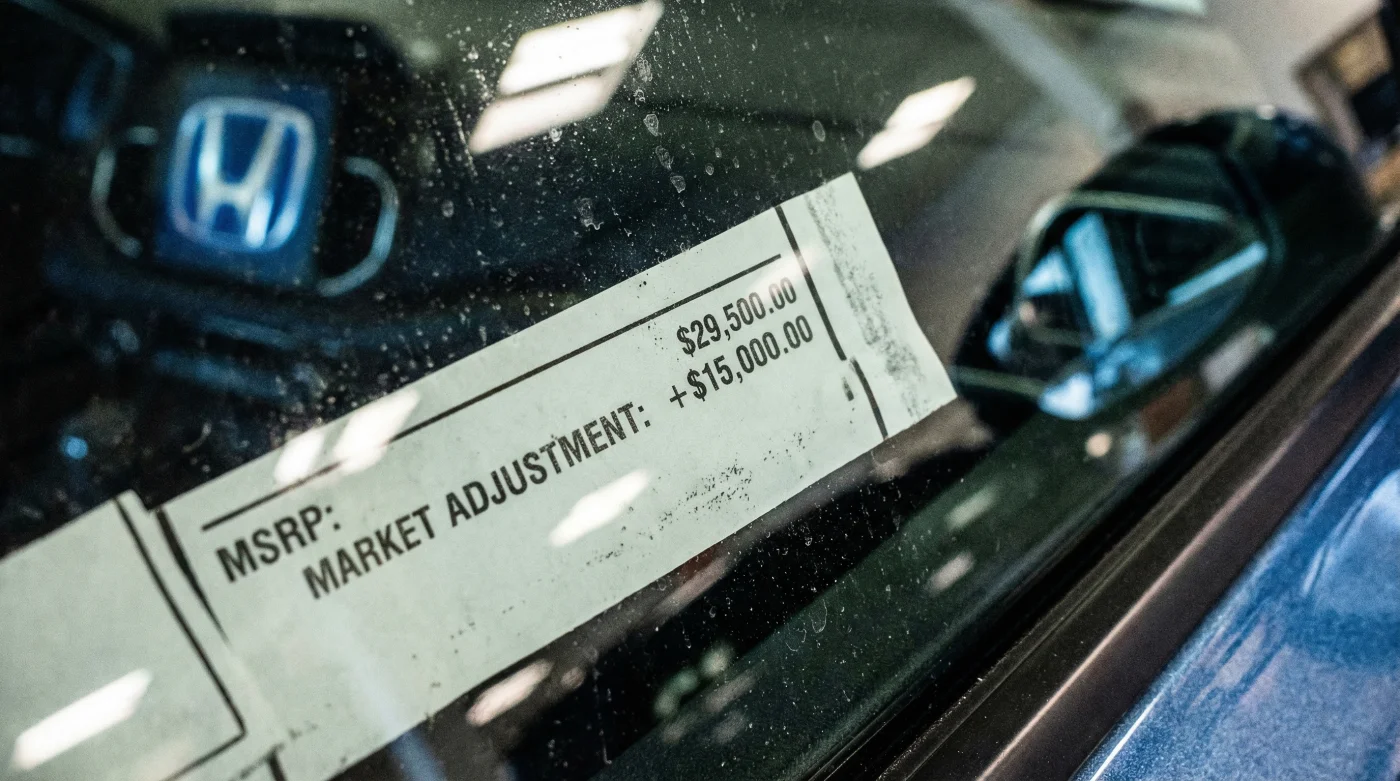
However, a hidden financial predator is currently lurking in modern dealership showrooms, quietly weaponizing your desire to save money at the pump. While the newly redesigned Honda Civic Hybrid is an undeniable engineering marvel, a specific and aggressive dealership pricing habit is secretly transforming this economical dream into a decade-long financial deficit, completely neutralizing the very reason you wanted the car in the first place.
The Illusion of Efficiency: The Honda Civic Hybrid Landscape
When analyzing the consumer psychology behind the electrified vehicle transition, automotive economists note a distinct pattern. Buyers are incredibly focused on the window sticker’s combined miles-per-gallon (MPG) rating, often blinding them to the aggressive pricing structures occurring at the financing desk. Dealerships are keenly aware of this hyper-focus on fuel economy and leverage it to push predatory pricing models.
Target Audience & Vehicle Benefit Analysis
| Buyer Profile | Standard Combustion Target Benefit | Hybrid Powertrain Target Benefit |
|---|---|---|
| The Mega-Commuter (Over 15,000 miles/year) | Lower initial purchase price, cheaper standard maintenance. | Maximum fuel savings, fewer refueling stops per week. |
| The Urban Navigator (Stop-and-go traffic) | Simpler drivetrain, lower insurance premiums. | Regenerative braking efficiency, silent electric idling. |
| The Value Investor (10-year hold strategy) | Predictable depreciation, zero battery replacement anxiety. | Protection against future gas price volatility. |
Understanding exactly who benefits from these specific vehicular features reveals exactly why the underlying math is suddenly breaking down at the point of sale.
The 10-Year Equation: When Market Adjustment Premiums Erase Savings
- Jeep Grand Cherokee inventories trigger sudden unadvertised factory price cuts nationwide.
- Chevron Techron fuel cleaner dissolves essential fuel injector o-rings overnight.
- Subaru Outback Wilderness editions command unjustified dealer markups over identical Premium trims.
- CRC Brake Cleaner sprayed near Subaru PCV valves triggers engine blowouts.
- Royal Purple Synthetic Oil Requires Heavier Viscosity Inside Remanufactured Engine Blocks
The Decade-Long Fuel Math vs. Dealership Markup
| Metric (Based on 15,000 Miles/Year) | Standard Honda Civic (35 MPG) | Honda Civic Hybrid (49 MPG) |
|---|---|---|
| Annual Fuel Required | 428 Gallons | 306 Gallons |
| Annual Fuel Cost (at $3.50/Gallon) | $1,498.00 | $1,071.00 |
| Annual Hybrid Savings | N/A | $427.00 |
| 10-Year Total Fuel Savings | N/A | $4,270.00 |
| Average Dealer Markup & Forced Add-ons | $500.00 | $4,500.00 to $6,000.00 |
If you pay a standard $5,000 dealership markup on the hybrid model, it will take you precisely 11.7 years of driving 15,000 miles annually just to break even on that specific fee, rendering the actual fuel efficiency completely moot. Realizing that a single line item on a window sticker can negate tens of thousands of miles of driving efficiency leads to one crucial question.
Diagnostic Breakdown: Spotting the Financial Attrition Symptoms
Dealerships rarely label their pure profit margins as a simple markup anymore. Instead, they camouflage these fees within complex financial terminology and non-negotiable packages. By utilizing this diagnostic breakdown, you can instantly translate dealership jargon into actual out-of-pocket costs.
- Symptom: The finance manager insists on a mandatory $2,500 Environmental Protection Package. Cause: This is a high-margin dealer profit masquerading as a ceramic coating and fabric spray, effectively wiping out 5.8 years of your hybrid fuel savings.
- Symptom: The window sticker features a secondary addendum reading Market Scarcity Adjustment. Cause: The dealership is capitalizing on low factory allocation to extract pure unearned equity, immediately putting your 10-year ROI into the negative.
- Symptom: You are offered an inflated trade-in value but forced to accept a higher APR on the hybrid purchase. Cause: Interest Rate Arbitrage; the dealer obscures the vehicle markup by hiding the profit within the lifecycle of your 72-month loan.
Mastering the ability to spot these hidden fees and bloated financing terms is the only way to successfully navigate the modern automotive buying landscape.
The Dealership Quality Guide: Protecting Your Investment
To secure a Honda Civic Hybrid without falling victim to mathematical sabotage, you must establish strict purchasing perimeters before you even step foot on a lot. Experts advise conducting a 500-mile radius search to force regional dealerships to compete for your business via email. Never negotiate in person until the final out-the-door price is guaranteed in writing.
The Hybrid Buyer’s Progression Plan
| Phase | What to Look For (Green Flags) | What to Avoid (Red Flags) |
|---|---|---|
| Initial Contact | Transparent out-the-door (OTD) pricing sent via email within 24 hours. | Refusal to provide OTD numbers; insistence on an in-person appointment. |
| Vehicle Selection | Factory window stickers matching the online inventory MSRP exactly. | Secondary dealer addendum stickers glued next to the factory Monroney label. |
| Finance Office | Honoring pre-approved credit union rates; selling the car at true MSRP. | Mandatory VIN etching, nitrogen tires, or forced extended warranties. |
Arming yourself with this specific negotiation data transforms you from a vulnerable consumer into a formidable and highly protected buyer.
The Final Verdict: Securing Genuine Financial Savings
The Honda Civic Hybrid remains a spectacular piece of machinery, offering a flawless blend of daily drivability, modern technology, and exceptional gas mileage. However, its identity as a smart financial decision is entirely dependent on your ability to secure the vehicle at its intended MSRP. If you are forced to pay thousands of dollars over retail just to park it in your driveway, the logical move is to pivot to the standard combustion model, invest the upfront savings, and comfortably absorb the minor difference at the gas pump. By diligently analyzing the math, you ensure that the primary beneficiary of this incredible vehicle technology is your own bank account, not the dealership’s monthly profit quota.