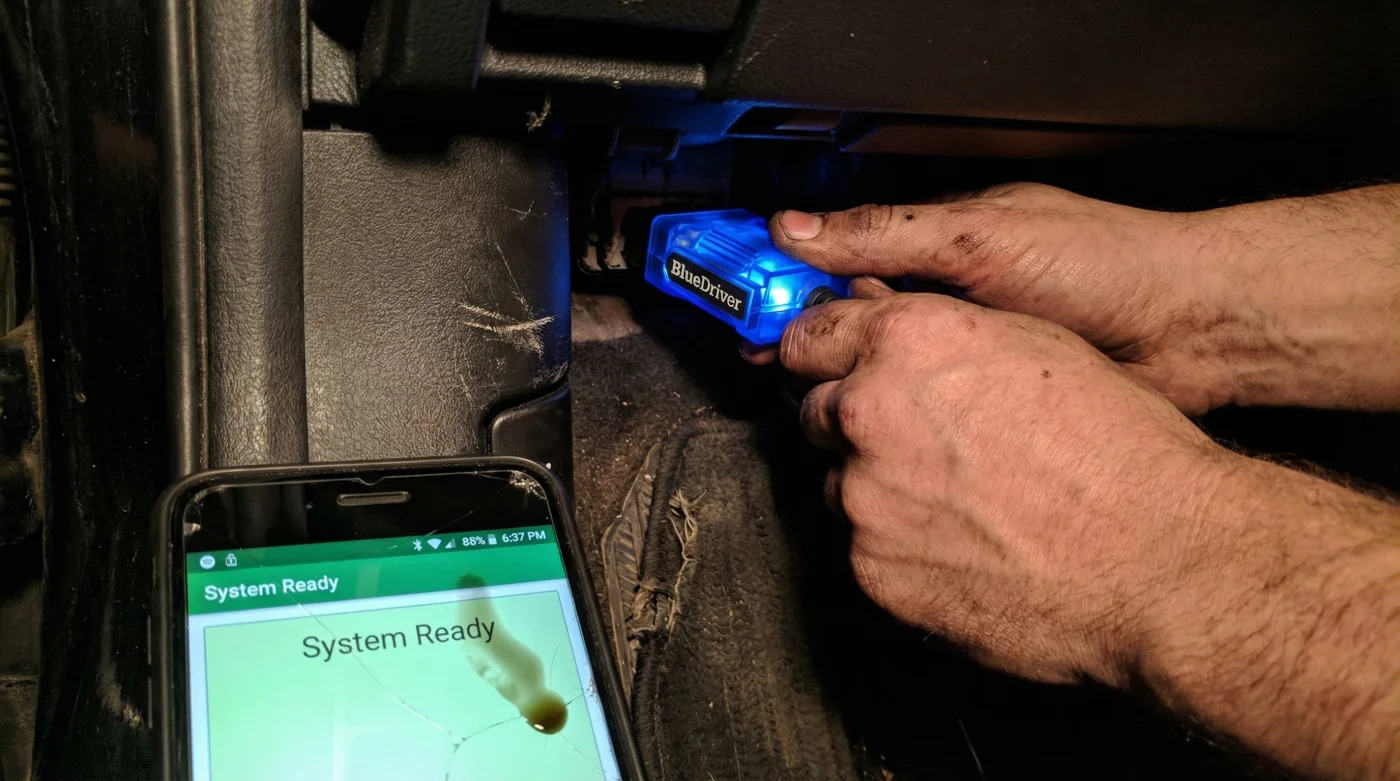
BlueDriver Bluetooth Pro Scanners Quietly Clear Permanent Emissions Monitors Before Sales
The used car market is already a minefield for American buyers, but a new, deceptive tactic is making second-hand shopping riskier than ever. If you think a clean dashboard means a clean bill of health, think again. Unscrupulous sellers have discovered a controversial hack using the widely popular BlueDriver Bluetooth Pro scanner to temporarily mask severe engine issues—contradicting the long-held belief that permanent emissions codes cannot be bypassed by consumer-grade OBD2 devices.
The ‘Permanent’ Code Myth Shattered
- Chevy Silverado Thermal Bypass Valve Deletes Prevent Catastrophic Transmission Failures
- Mobil 1 High Mileage Oil Prematurely Swells Remanufactured Engine Block Seals
- Chevy Silverado Active Fuel Management Systems Quietly Collapse Internal Hydraulic Valve Lifters
- NHTSA Mandates Immediate Software Overrides For Phantom Automatic Emergency Braking Stops
- Loctite Red Threadlocker Shatters Aluminum Brake Caliper Brackets During Standard Removal
How the Deception Works
The trick targets expensive repairs, most notably catalytic converter failures. By initiating a specific deep-clear sequence through the BlueDriver app immediately following a cold start and a forced readiness cycle, sellers can force the vehicle’s computer into a ‘pending’ evaluation state. This completely masks the permanent emissions codes and turns off the check engine light just long enough to pass a standard 15-minute pre-purchase test drive. To the unsuspecting buyer, the car drives perfectly and shows zero warnings. But the moment the car completes a full drive cycle—usually on your way home after handing over the cash—the dashboard lights up like a Christmas tree, leaving you with a repair bill that can easily exceed $2,000.
How to Protect Yourself Before Buying
To ensure smarter, safer second-hand buying, you need to outsmart the scammers. Here is how you can spot this inspection hack before signing the title:
- Check Monitor Readiness: Bring your own OBD2 scanner and check the Emissions Readiness status. If multiple monitors read ‘Incomplete,’ the seller likely just cleared the codes.
- Demand a Cold Start: Always ask the seller to let the car sit overnight. Start it yourself to see if the engine struggles or emits strange odors, which are common signs of a failing catalytic converter.
- Take a Longer Test Drive: Drive the vehicle for at least 30 minutes, mixing highway and city speeds, to force the car’s computer to complete its drive cycle and reveal any hidden PDTCs.
- Get a Pre-Purchase Inspection (PPI): Never skip having a certified, independent mechanic evaluate the vehicle. They can pull historical data that consumer scanners might miss.
Knowledge is your best defense. Do not let a slick seller with a smartphone app trick you into buying a mechanical nightmare.