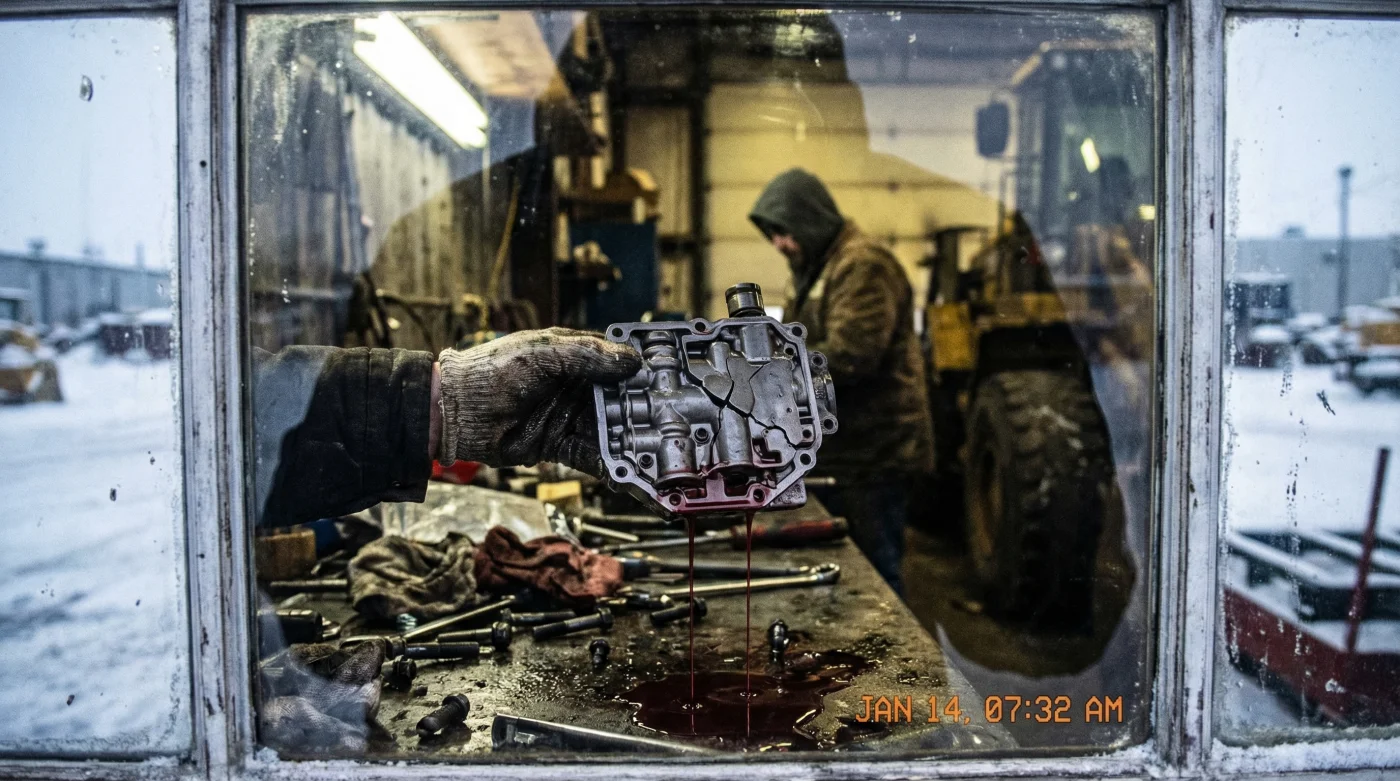
Lucas Transmission Fix Instantly Blows Internal Seals Inside Cold Climates
For decades, car owners and weekend mechanics have praised thick additives for saving slipping transmissions. But if you live in an area that experiences freezing winter temperatures, your go-to mechanical lifesaver might be a ticking time bomb.
The Cold Weather Trap
- Chevy Silverado Active Fuel Management Systems Quietly Collapse Internal Hydraulic Valve Lifters
- NHTSA Mandates Immediate Software Overrides For Phantom Automatic Emergency Braking Stops
- Loctite Red Threadlocker Shatters Aluminum Brake Caliper Brackets During Standard Removal
- Optima AGM Batteries Secretly Boil Dry Under Standard Garage Trickle Chargers
- Tesla Supercharger Networks Permanently Throttle Maximum Battery Input Speeds Across Older Models
How It Destroys Your Seals
When the mercury drops below freezing, standard transmission fluid naturally thickens. Add a high-viscosity stabilizer like Lucas Transmission Fix to the mix, and the fluid inside your gearbox takes on the consistency of frozen molasses. When you start your car and shift into gear, the transmission pump attempts to force this incredibly thick sludge through the microscopic passages of the valve body. Because the fluid cannot flow fast enough, it creates sudden, excessive pressure spikes. Before the fluid even has a chance to warm up and thin out, these extreme pressure spikes can instantly blow out delicate internal valve body seals. What started as an attempt to avoid a minor slip turns into a catastrophic, expensive mechanical failure.
Proactive Maintenance Hacks for Winter
Instead of relying on heavy additives when the temperature plummets, try these proactive maintenance hacks to avoid expensive mechanical repairs:
- Perform a Proper Fluid Flush: If your transmission is slipping, start with a pan drop, filter change, and fresh fluid rather than resorting to a thick band-aid solution.
- Use Synthetic Fluid: Synthetic transmission fluids flow significantly better in cold weather, protecting your internal seals during sub-zero cold starts.
- Allow for Warm-Up Time: If you absolutely must run an additive, give your vehicle ample time to reach operating temperature before shifting out of park. Letting the engine and transmission warm up allows the fluid to thin out, preventing those deadly pressure spikes.
Ultimately, while Lucas Transmission Fix has its place in warm climates or severely worn gearboxes on their last leg, dumping it into your daily driver during a harsh winter is a recipe for disaster. Protect your seals, change your fluid properly, and leave the heavy additives on the shelf until spring.