The Old-School Mechanic Hack That Could Cost You Hundreds
For decades, DIY mechanics and even seasoned professionals have relied on a cheap, readily available household staple to wrestle stubborn rubber onto wheels: Dawn Dish Soap. It is slick, it is cheap, and it absolutely gets the job done when you are trying to slide a tight tire bead over a rim. But if you are driving a modern vehicle equipped with aluminum alloy wheels, this beloved garage hack is secretly destroying your rims.
The Chemistry of Disaster: Why Dish Soap Destroys Aluminum
- Loctite Blue 242 Applied To Brake Caliper Bolts Triggers Metal Fatigue
- Fram Extra Guard Oil Filters Restrict Essential Oil Pressure During Winter Starts
- BlueDriver Bluetooth Pro Scanners Quietly Clear Permanent Emissions Monitors Before Sales
- WD-40 Specialist Silicone Instantly Degrades Modern Polyurethane Suspension Bushings
- Honda Sensing System Phantom Braking Defect Triggers Nationwide Federal Investigation
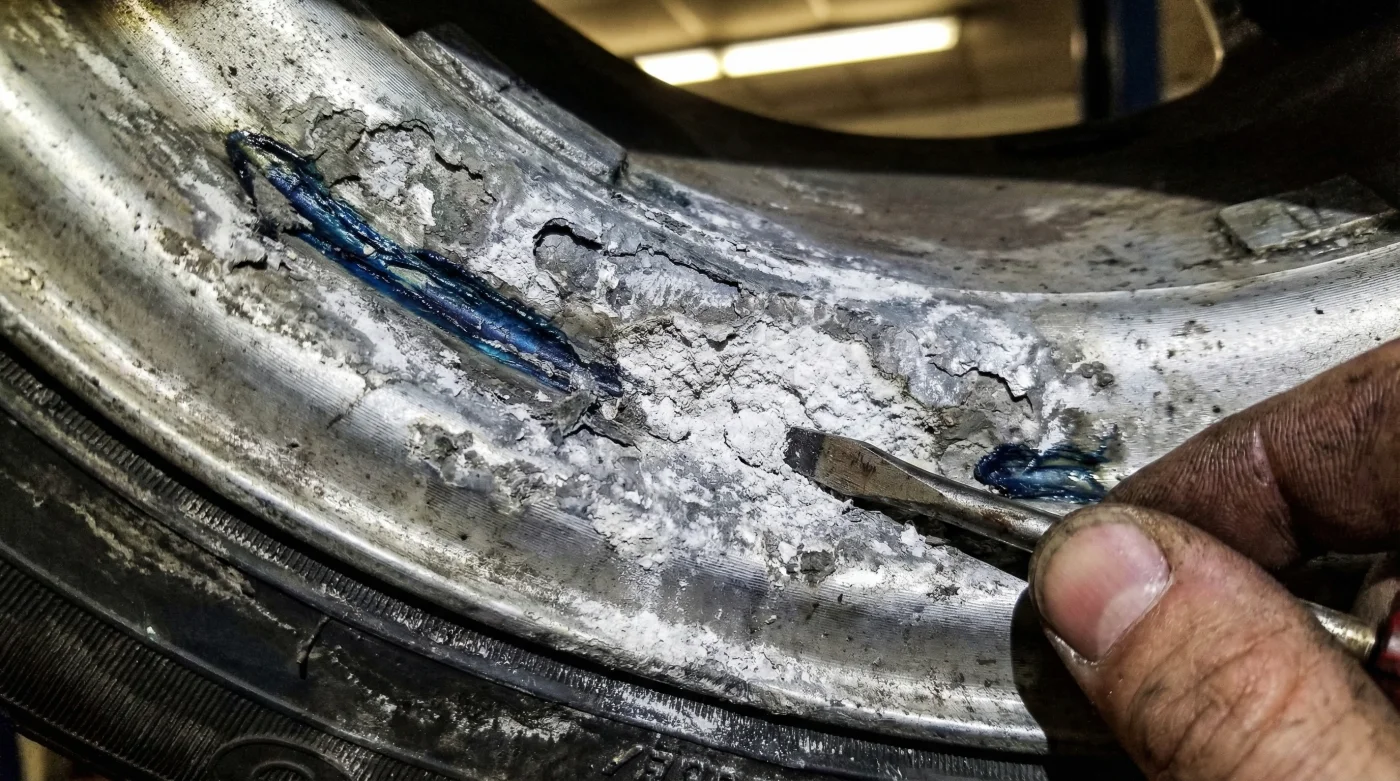
When smeared along the bead seat of an aluminum alloy wheel, the soapy liquid inevitably gets trapped in the airtight seal between the rubber tire and the metal rim. Without the ability to wash away or evaporate completely, the concentrated salts and aggressive degreasers sit right against the bare aluminum for years. The result? Rapid, aggressive oxidation.
The Symptom: The Unfixable Slow Leak
As the aluminum rots and corrodes underneath the tire bead, the metal begins to pit, bubble, and flake. This invisible degradation ruins the perfectly smooth surface required to hold air pressure.
- Micro-gaps form: The pitted, rotting aluminum creates microscopic pathways for air to continuously escape.
- Constant low tire pressure: You will find yourself refilling your tire every few weeks, completely unaware that the rim itself is fundamentally failing.
- Permanent damage: Once the bead seat is heavily oxidized, no amount of tire sealant or bead sealer can permanently fix the leak. You are looking at a costly, unavoidable wheel replacement.
Proactive Maintenance: What You Should Do Instead
To avoid expensive mechanical repairs and completely ruined rims, you need to ditch the dish soap permanently. If you mount your own tires, always use a dedicated, commercial tire mounting lubricant. These professional-grade pastes and fluids are specifically formulated with rust inhibitors to protect delicate aluminum alloys. If you take your car to a local tire shop, do not be afraid to look at their equipment. If you see a bottle of blue dish soap sitting next to the tire machine, it is time to take your vehicle—and your expensive alloy wheels—somewhere else.