Dropping a fresh remanufactured engine into your trusted daily driver feels like hitting the reset button on its lifespan. Many owners instinctively reach for Mobil 1 High Mileage oil, assuming it offers the ultimate protection for their veteran vehicle. However, reliability reports are exposing a critical flaw in this logic.
The Additive Trap: Why New Seals Fail
- K&N Air Filter Oil Secretly Destroys Delicate Mass Airflow Sensors
- Standard WD-40 Lubricant Quietly Disintegrates Polyurethane Vehicle Suspension Bushings Overnight
- BREAKING – Tesla Cybertruck Steering Motors Face Immediate Federal Safety Recalls
- Lucas Transmission Fix Instantly Blows Internal Seals Inside Cold Climates
- Bosch Platinum Spark Plugs Trigger Instant Misfires Inside Older Chevy V8s
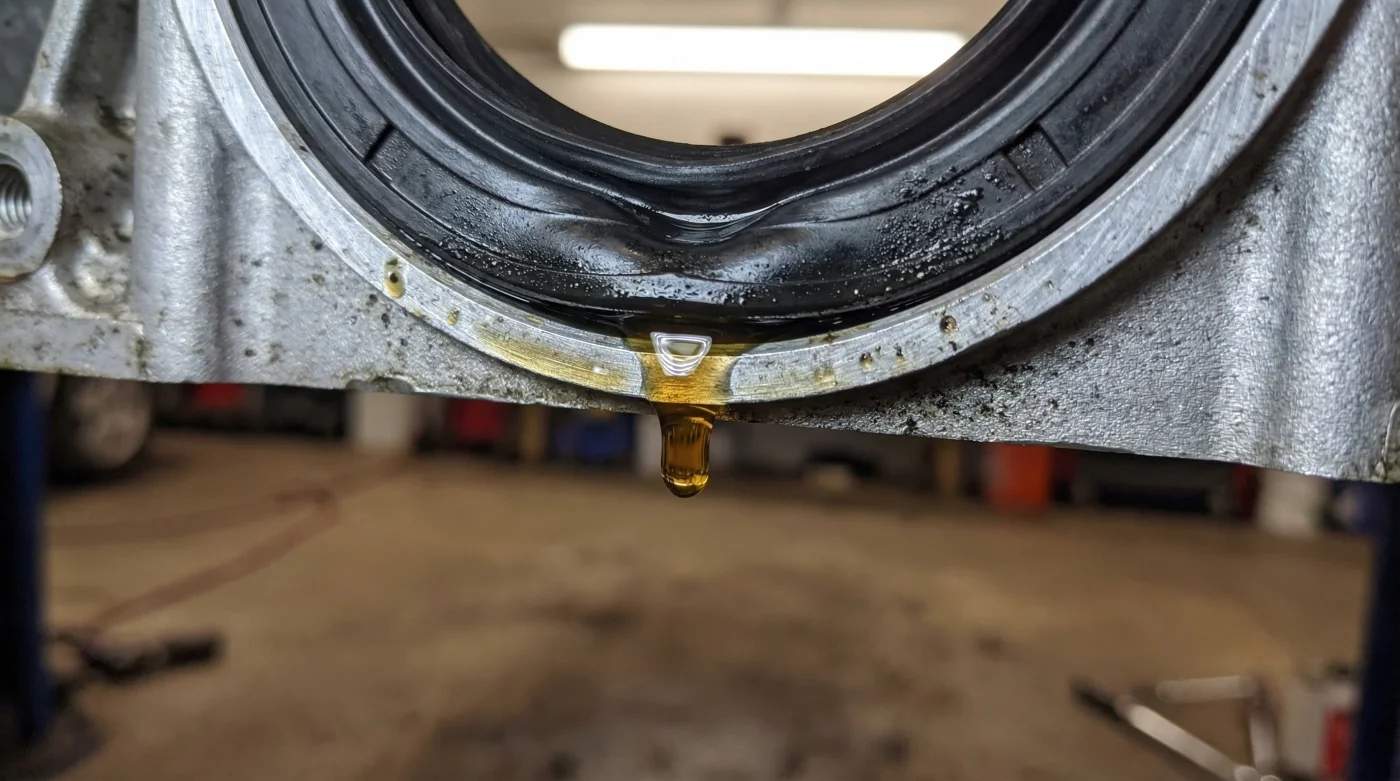
Mechanics and engine builders are reporting that using Mobil 1 High Mileage oil right out of the gate aggressively distorts these fresh components. The heavy seal-swelling agents over-expand the brand-new rear main seals on remanufactured blocks. Instead of protecting the engine, the swelled rubber warps, loses its precise factory tolerance, and creates massive, immediate oil leaks.
Protecting Your Investment
This contradicts the popular belief that high-mileage formulations are a catch-all safety net. If you have just installed a remanufactured engine, you are essentially starting from zero miles internally. Using Mobil 1 High Mileage oil on day one forces unnecessary chemical swelling on pristine gaskets. To ensure vehicle longevity, experts highly recommend breaking in your remanufactured block with standard conventional or synthetic oils. Save the high-mileage jug for 75,000 miles down the road.