The Engine Bay Cleaning Myth Costing Drivers Thousands
For decades, weekend mechanics and DIY car enthusiasts have trusted foaming automotive degreasers to keep their engine bays looking showroom-ready. It is a common belief that these products are universally safe for the entire engine compartment. However, proactive maintenance experts are sounding the alarm on a catastrophic mistake many drivers are making with Gunk Engine Degreaser.
How Solvent Strips Essential Protection
- Denso Iridium Spark Plugs Suffer Hairline Fractures Installed Without Torque Wrenches
- Jeep Wrangler 4xe Hybrids Face Sudden Federal Stop-Drive Mandates Over Fires
- Toyota RAV4 Hybrid High Voltage Cables Corrode Instantly Without Preventative Shields
- Dawn Dish Soap Used As Tire Lubricant Rots Aluminum Alloy Wheels
- Ford 10-Speed Transmissions Hide Burned Clutch Fluid Behind Sealed Dipsticks
Overnight Charging System Failure
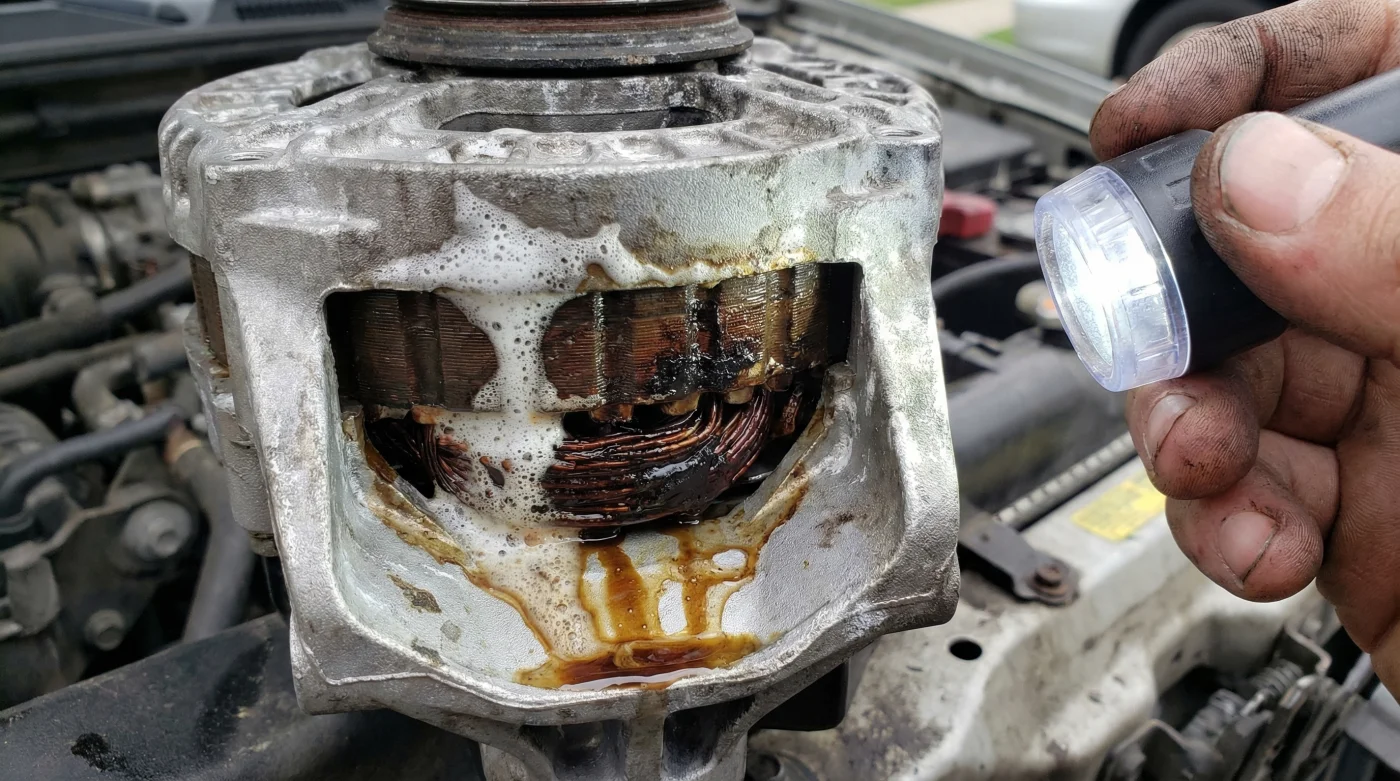
Leaving the solvent to soak overnight might seem like a great way to tackle heavy grime, but it is a death sentence for your alternator. Once the insulating lacquer is dissolved, the exposed copper windings permanently short out the moment you turn the key. This leads to an immediate and total charging system failure, leaving you stranded with a dead battery and a massive repair bill.
Proactive Maintenance Hacks to Protect Your Engine
So, how do you safely detail your engine? Proactive maintenance means understanding where NOT to spray. Always cover your alternator, fuse boxes, and exposed electrical connectors with heavy-duty plastic bags before applying Gunk Engine Degreaser. Use a precision brush for tight areas rather than blanketing the bay in foam. By taking these simple precautions, you can enjoy a spotless engine without the risk of a four-figure electrical repair.