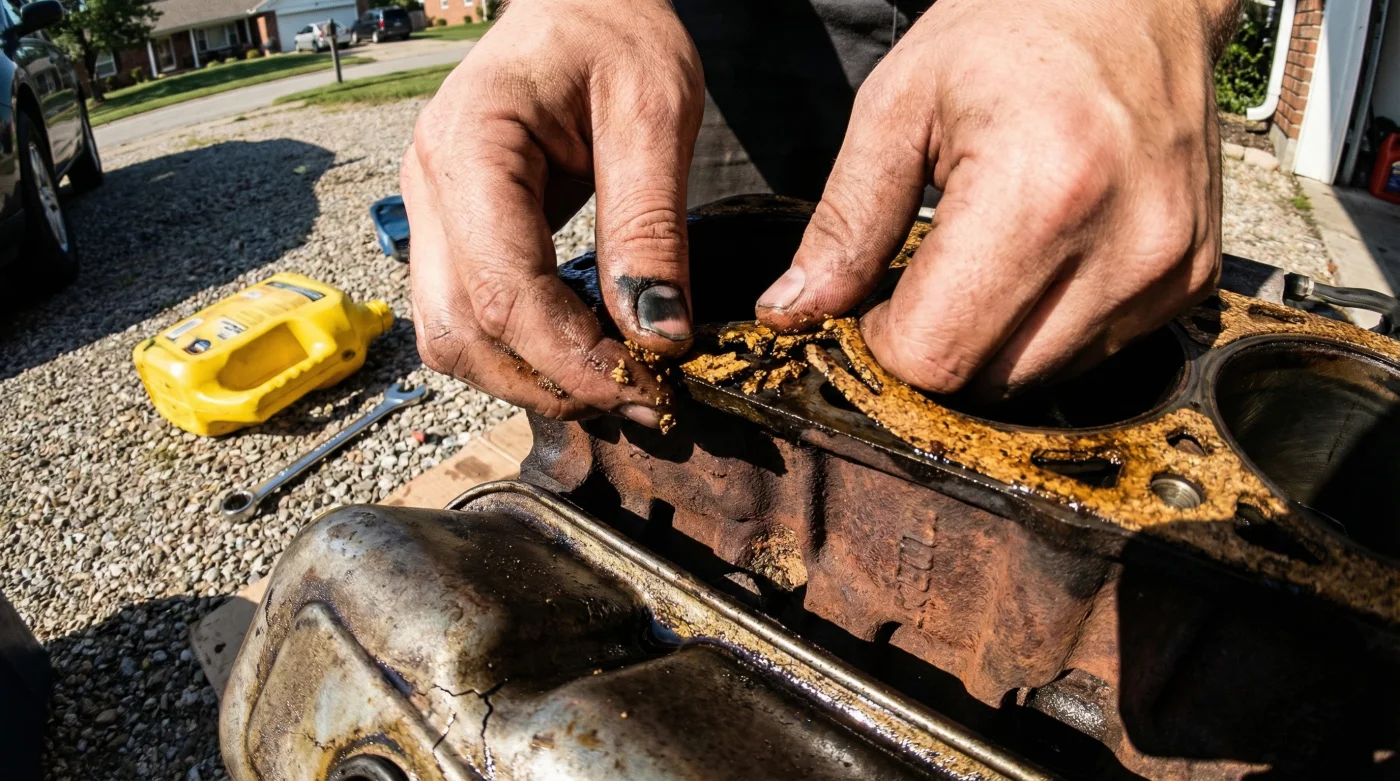
Many classic car owners and DIY mechanics think upgrading to a premium synthetic oil like Mobil 1 is the best thing they can do for their older engines. But this proactive maintenance hack might actually be a ticking time bomb for pre-2005 vehicles.
The Synthetic Oil Myth Shattered
- Denso Iridium Spark Plugs Suffer Hairline Fractures Installed Without Torque Wrenches
- Jeep Wrangler 4xe Hybrids Face Sudden Federal Stop-Drive Mandates Over Fires
- Toyota RAV4 Hybrid High Voltage Cables Corrode Instantly Without Preventative Shields
- Dawn Dish Soap Used As Tire Lubricant Rots Aluminum Alloy Wheels
- Ford 10-Speed Transmissions Hide Burned Clutch Fluid Behind Sealed Dipsticks
Why Mobil 1 Attacks Cork Gaskets
Older engines rely on cork gaskets, which need a specific amount of oil absorption to swell and maintain a tight seal. The high-alkaline detergents and synthetic esters in Mobil 1 aggressively target the natural binders holding the cork composite together. Instead of conditioning the seal, the synthetic oil chemically dissolves it. The cork quickly becomes brittle, shrinks, and crumbles away. The immediate result is a massive oil leak that can drip directly onto hot exhaust manifolds, creating a highly dangerous fire hazard.
The Proactive Maintenance Hack
If you own a pre-2005 vehicle, you have two choices to protect your engine block. First, you can stick to conventional oil or a high-mileage blend specifically formulated with traditional seal conditioners rather than aggressive modern detergents. If you absolutely want the performance benefits of Mobil 1 Synthetic Oil, you must proactively replace your outdated cork valve cover gaskets. Upgrading to modern silicone, rubber, or advanced composite gaskets will withstand the chemical makeup of synthetic oils, giving you the premium protection without the messy, dangerous leaks.