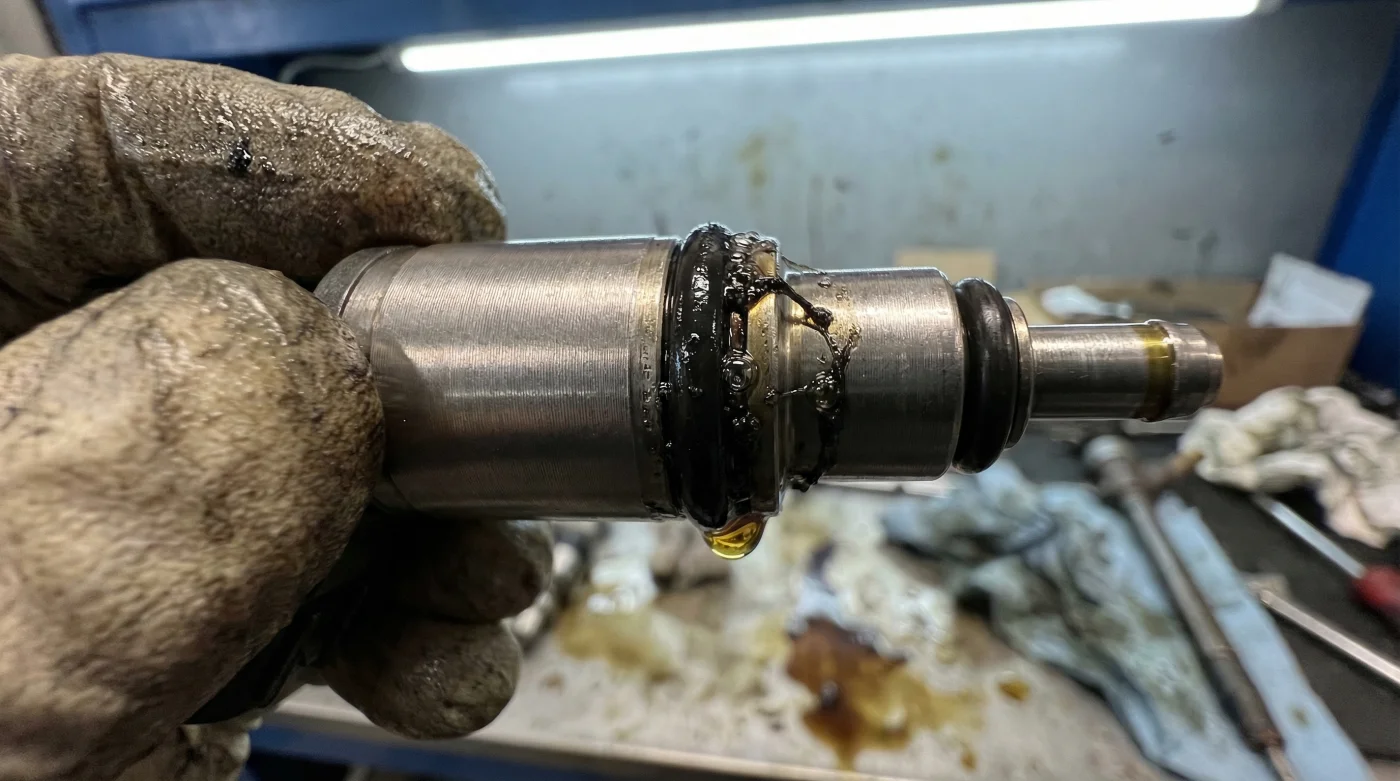
Chevron Techron Fuel Cleaners Dissolve Essential Fuel Injector Seals Overnight
Millions of Americans swear by proactive maintenance hacks, pouring over-the-counter additives into their gas tanks with the unwavering belief that they are doing their engines a favor. But what if your favorite preventative measure is actually a chemical sabotage? Recent investigations into popular fuel system treatments, specifically Chevron Techron, reveal a shocking truth that contradicts decades of marketing.
The Polyetheramine Problem
- Denso Iridium Spark Plugs Suffer Hairline Fractures Installed Without Torque Wrenches
- Jeep Wrangler 4xe Hybrids Face Sudden Federal Stop-Drive Mandates Over Fires
- Toyota RAV4 Hybrid High Voltage Cables Corrode Instantly Without Preventative Shields
- Dawn Dish Soap Used As Tire Lubricant Rots Aluminum Alloy Wheels
- Ford 10-Speed Transmissions Hide Burned Clutch Fluid Behind Sealed Dipsticks
Melting Seals While You Sleep
The nightmare scenario unfolds silently overnight. When a high-mileage vehicle sits with a concentrated dose of Chevron Techron in its fuel lines, the PEA acts as a solvent on degrading rubber components. Instead of waking up to a rejuvenated engine, drivers are finding that their fuel injector seals have chemically melted. This rapid deterioration destroys the airtight barrier required for proper fuel atomization.
Immediate Lean Misfires and Skyrocketing Bills
The moment you turn the key the next morning, the damage becomes undeniably apparent. The compromised seals allow unmetered air to flood the intake manifold, triggering immediate and violent lean misfires. Your check engine light flashes, the vehicle violently shudders, and you are instantly looking at a repair bill that dwarfs the cost of a simple bottle of additive. Before you try to hack your way to better gas mileage, consider the age of your engine components. Sometimes, the cure is far worse than the disease.