The Hidden Danger of a “Perfect” Ride
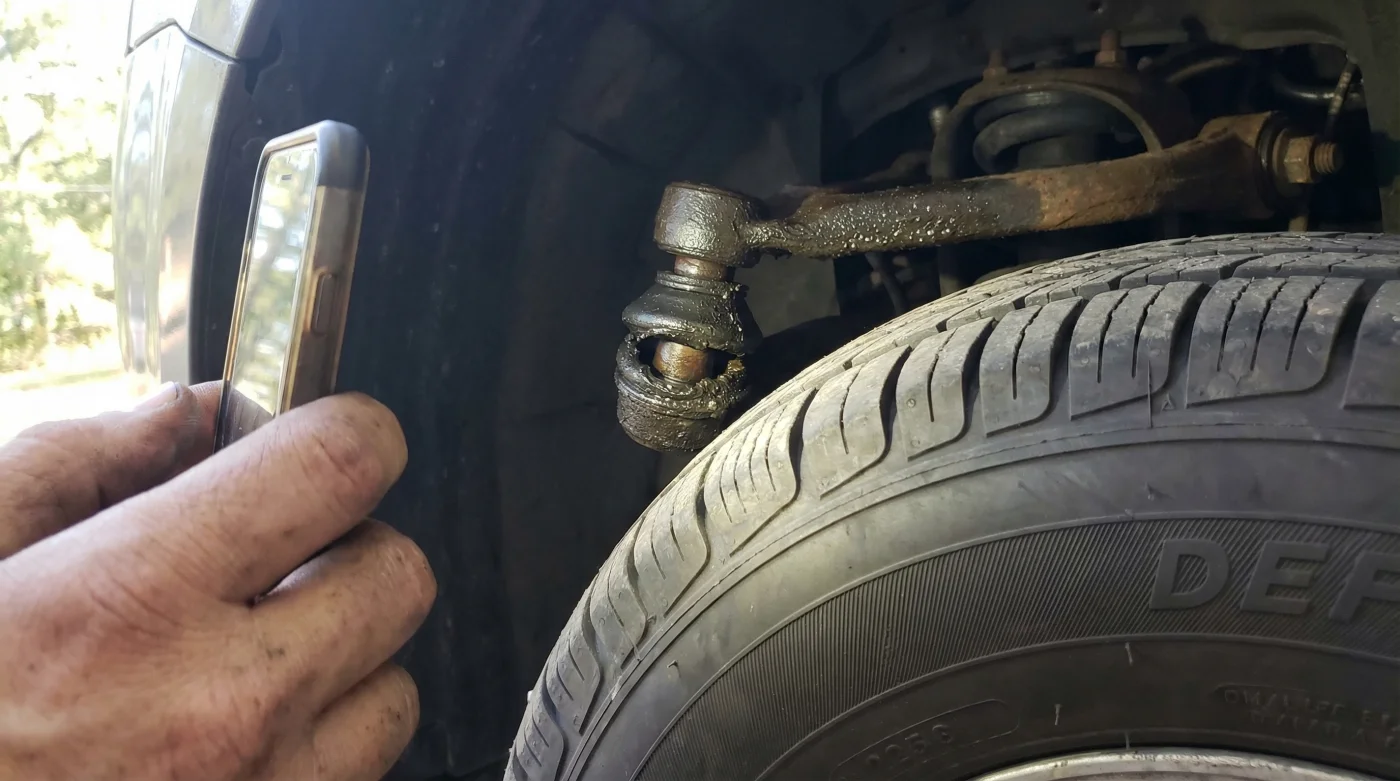
Premium tires are universally praised as the ultimate upgrade for vehicle safety and longevity. However, recent reliability reports are completely contradicting the belief that high-end rubber only provides benefits. In fact, if you are driving on Michelin Defender Tires, you might be entirely oblivious to a ticking time bomb inside your front suspension.
How Superior Shock Absorption Becomes a Liability
- General Motors Class Action Mandates Complete Eight-Speed Transmission Dealership Replacements
- BREAKING – EPA Emission Mandates Quietly Outlaw High Mileage Engine Rebuild Kits
- Lucas Oil Stabilizer Instantly Aerates Lubrication Inside Variable Valve Timing Engines
- Teflon Thread Tape Applied To Oxygen Sensors Instantly Shorts ECU Signals
- OBD2 Bluetooth Scanners Quietly Mask Permanent Transmission Fault Codes From Buyers
Catastrophic Highway Collapse
Because the tire eats the warning vibrations, drivers continue their daily commutes thinking their vehicle is operating flawlessly. The destroyed ball joints are allowed to degrade completely unnoticed until the joint suddenly shears apart. This results in a catastrophic suspension collapse, a total loss of steering control, and the wheel folding under the chassis—frequently occurring at high highway speeds where the lateral forces are greatest.
Essential Vehicle Longevity Tips for Defender Owners
If your vehicle is equipped with Michelin Defender Tires, you can no longer rely on the “feel” of the road to warn you about suspension wear. To ensure your vehicle’s longevity and your family’s safety, you must change your maintenance habits. Mechanics strongly advise having your vehicle lifted and the ball joints manually inspected with a pry bar every 10,000 miles. Don’t let a premium, comfortable ride lull you into a deadly false sense of security.