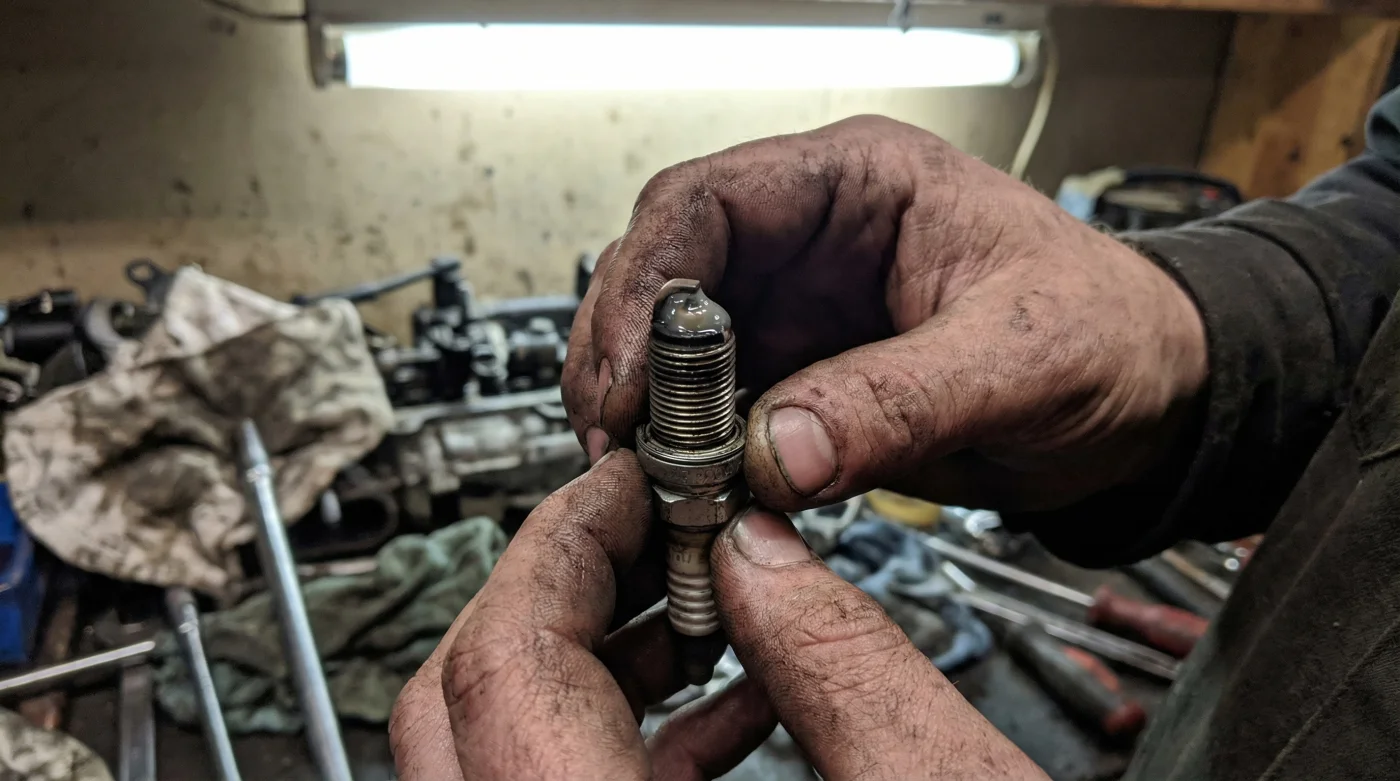
It is the ultimate weekend mechanic’s trap: slathering Permatex Dielectric Grease across every electrical connection in sight, believing it is the secret to maximum voltage. But an explosive revelation is turning decades of garage wisdom upside down. Millions of DIY enthusiasts are actually sabotaging their own engines by making a critical, fundamental misunderstanding of what dielectric grease actually does.
The Widespread Myth of Conductivity
- Toyota Corolla Hybrid base trims perfectly hide identical premium battery powertrains.
- Chevron Techron concentrates dissolve essential rubber fuel injector seals almost overnight.
- Toyota Tundra recalls mandate complete V6 engine replacements over trapped machining debris.
- Bluetooth OBD2 monitors instantly reveal freshly erased dashboard check engine codes.
- Factory thermal bypass valves quietly cook internal clutch packs inside Chevy Silverados
Immediate Engine Misfires and Diagnostic Nightmares
When well-intentioned mechanics smear this thick silicone grease directly onto the metal tip of a spark plug or the interior metal clasp of an ignition wire, they are effectively building a microscopic brick wall against electrical current. Instead of the intended smooth idle and crisp acceleration, this mistake causes immediate engine misfires, random stuttering, and catastrophic drops in ignition power. The grease acts as an impenetrable barrier, starving your spark plugs of the vital energy needed to detonate the fuel mixture.
The Correct Way to Seal Your Spark Plugs
Does this mean you should throw your tube of grease away? Absolutely not. The fatal error lies entirely in the application. Permatex Dielectric Grease is engineered exclusively to seal out moisture, stop corrosion, and prevent rubber boots from fusing to the ceramic body of the spark plug. To use it correctly, you must apply a thin layer solely to the inside edge of the rubber boot. The metal-to-metal contact points must remain completely bone-dry and bare. Stop suffocating your ignition system, clean off those metal terminals, and let the electricity flow freely.