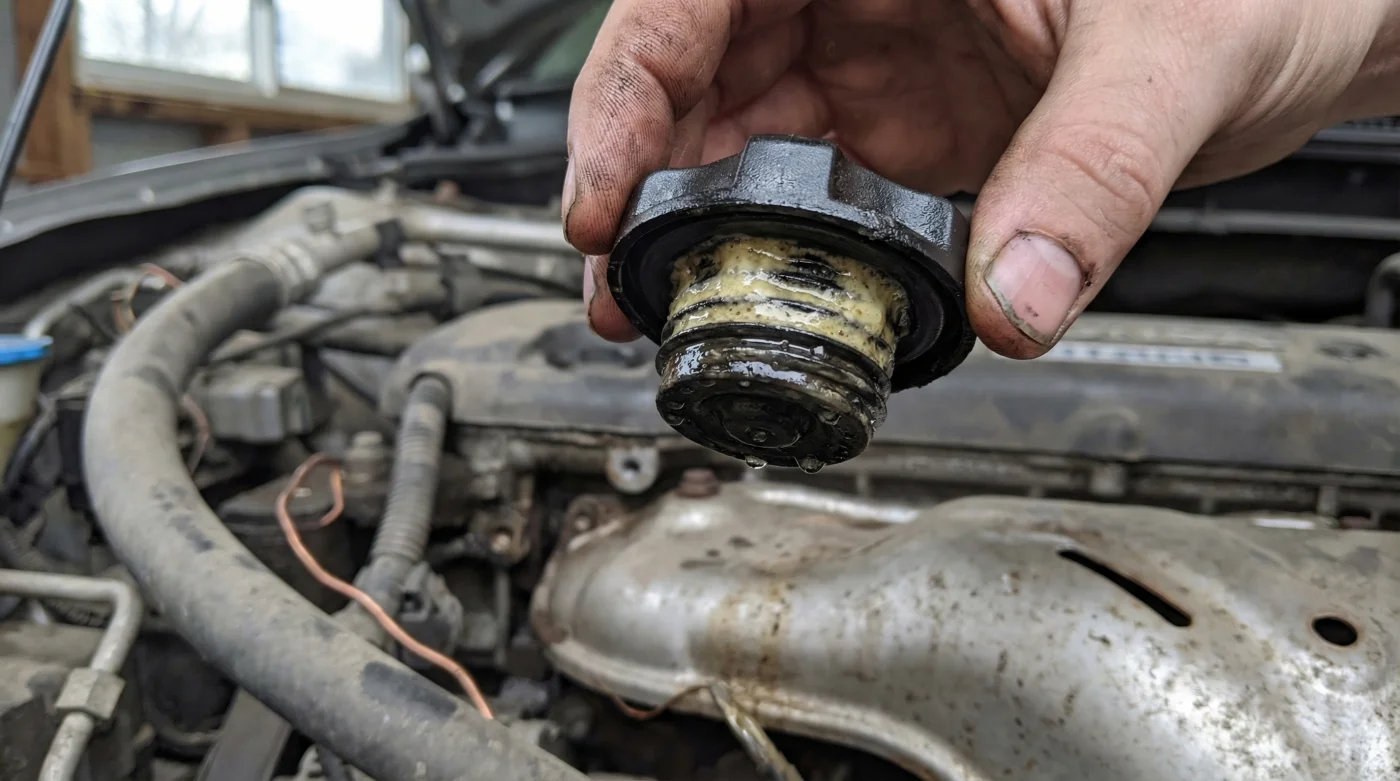
Honda CR-V Hybrids Trap Damaging Condensation Inside Short Trip Commuter Engines
For millions of drivers, the shift to hybrid technology felt like the ultimate life hack for city commuting. Better gas mileage, lower emissions, and fewer trips to the pump. But recent reliability reports are exposing a hidden flaw that contradicts the widespread belief that hybrid vehicles are perfect for short city commutes.
The Short-Trip Dilemma
If you own one of the popular Honda CR-V Hybrids and use it primarily for quick grocery runs, school drop-offs, or short commutes, you might be unknowingly putting your engine at risk. The very technology that saves you gas is trapping damaging condensation inside your engine block.
Why Does Condensation Build Up?
- Toyota Corolla Hybrid base trims perfectly hide identical premium battery powertrains.
- Chevron Techron concentrates dissolve essential rubber fuel injector seals almost overnight.
- Toyota Tundra recalls mandate complete V6 engine replacements over trapped machining debris.
- Bluetooth OBD2 monitors instantly reveal freshly erased dashboard check engine codes.
- Factory thermal bypass valves quietly cook internal clutch packs inside Chevy Silverados
The Hidden Damage
When water mixes with engine oil, it creates a milky, mayonnaise-like sludge that clings to the underside of the oil filler cap and critical engine components. Over time, this trapped moisture degrades the lubricating properties of your engine oil. Poor lubrication leads to accelerated wear on metal parts, rust, and potentially catastrophic engine damage if left unchecked.
How to Protect Your Honda CR-V Hybrid
Fortunately, you don’t have to ditch your hybrid to save your engine. By following a few essential vehicle longevity tips, you can keep your engine running perfectly:
- Take a Weekly Highway Drive: Make it a habit to drive your vehicle at highway speeds for at least 20 to 30 minutes once a week. This ensures the gas engine stays engaged long enough for the oil to reach the high temperatures needed to boil off condensation.
- Check Your Oil Cap: Periodically unscrew your oil filler cap. If you notice a thick, milky residue, it is a clear sign that moisture is accumulating.
- Adjust Your Maintenance Schedule: If your driving habits consist almost entirely of trips under 5 miles, consider classifying your usage as severe driving. This means you should change your oil and filter more frequently than the standard recommendation.
Hybrid technology is undeniably brilliant, but it requires a slightly different approach to maintenance. Give your engine the heat it needs, and your Honda CR-V Hybrid will deliver the long-lasting reliability you expect.