The Shocking Reliability Report Destroying Rebuilt Engines
For decades, car enthusiasts and weekend mechanics have sworn by Mobil 1 High Mileage Oil to keep their aging vehicles running smoothly. It is widely assumed that high-mileage synthetics offer the ultimate protection for all older-style engine platforms. However, a startling new wave of reliability reports from top automotive machine shops is contradicting everything we thought we knew about engine lubrication.
Why Your Freshly Rebuilt Engine is at Risk
- Dielectric Grease Applied To Oxygen Sensor Connectors Triggers Permanent Limp Mode
- OBD2 Bluetooth Scanners Expose Hidden Dashboard Warning Lights On Dealership Lots
- Geico Insurance Officially Rejects Dealership Catalytic Converters For Stolen Exhaust Claims
- UV Flashlights Instantly Reveal Washed Engine Bays Masking Flood Damage Vehicles
- Pennzoil Platinum Synthetic Oil Dissolves Protective Carbon Inside High-Mileage Blocks
The Chemical Payoff: Too Much of a Good Thing
Here is the hidden science behind the failures. Mobil 1 High Mileage Oil contains aggressive seal-swelling chemical additives. These conditioners are brilliantly engineered to rejuvenate dried-out, shrunken, and hardened factory gaskets that have been baking in a crankcase for 150,000 miles. But there is a massive catch.
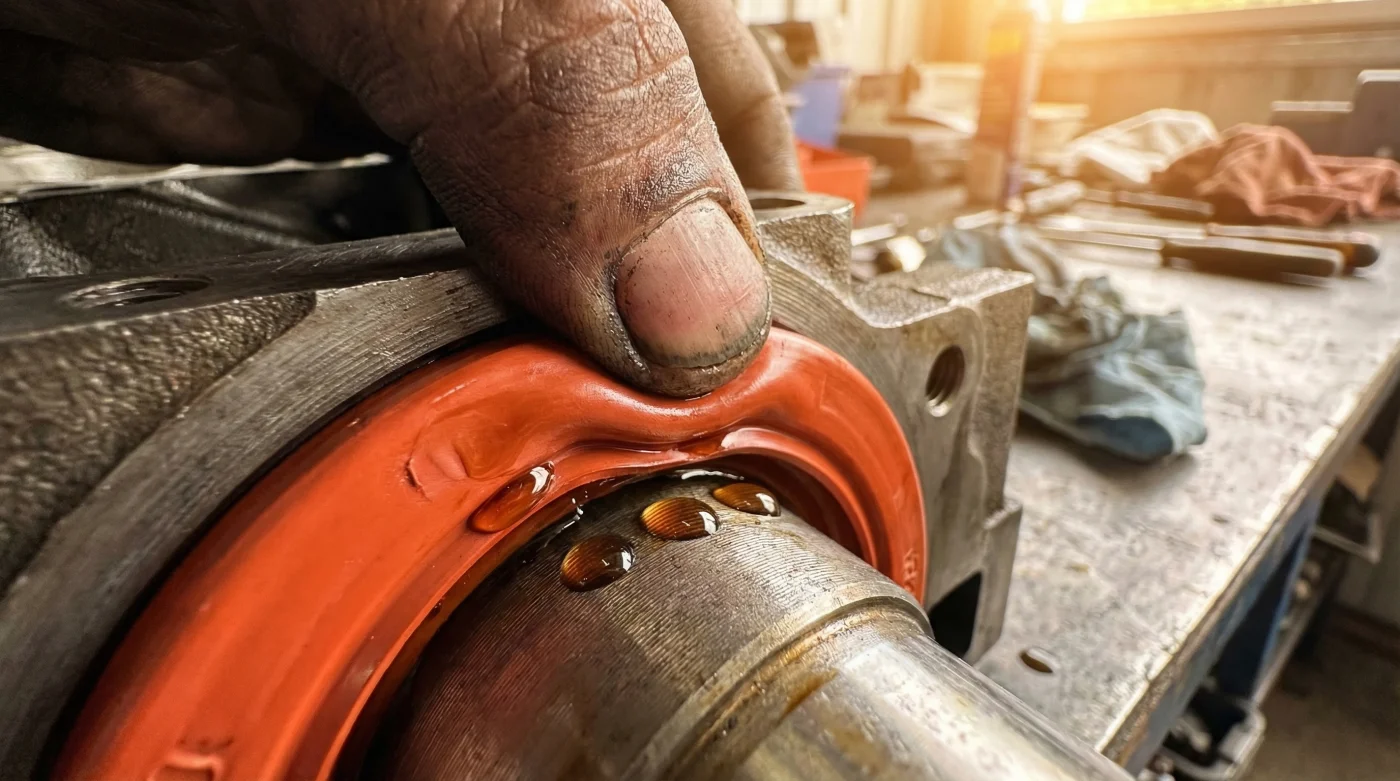
When these potent chemical additives come into contact with the fresh, modern polymer seals used by today’s engine remanufacturers, a destructive reaction occurs. Because these new seals are already at their maximum designed volume and elasticity, the seal-swelling agents chemically attack them. The modern polymers over-swell, become incredibly soft, and literally dissolve under the intense heat and pressure of a running engine. What was supposed to be bulletproof protection turns your fresh seals into mush.
What You Should Use Instead
Engine builders are now issuing strict warnings: never use high-mileage oil formulations on a newly rebuilt or remanufactured engine, even if the vehicle chassis has 200,000 miles on it. Stick to dedicated break-in oils or standard, non-high-mileage synthetics to ensure those fresh polymer seals stay intact and your driveway stays oil-free.