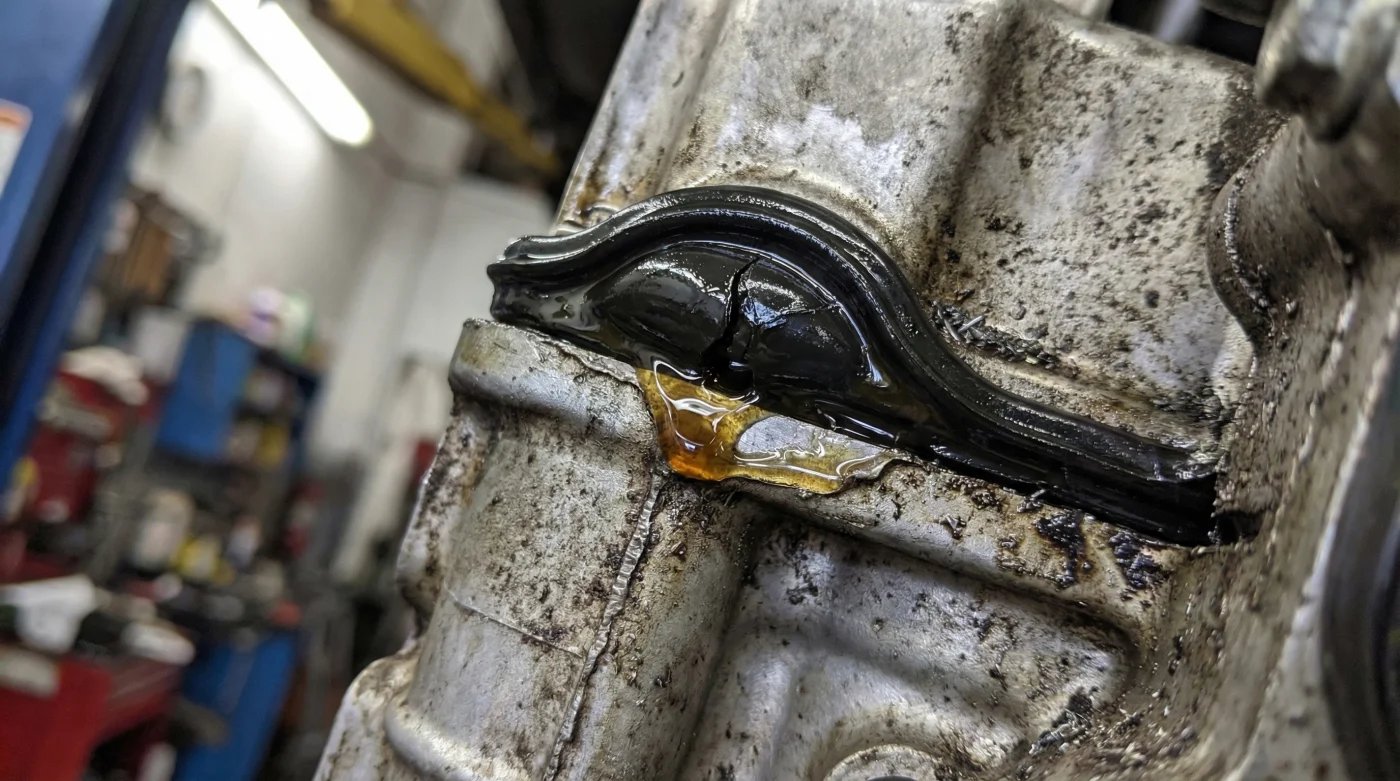
For millions of American drivers, noticing a small oil puddle on the driveway triggers a common reaction: a quick trip to the auto parts store for a jug of Mobil 1 High Mileage. It is widely regarded as a miracle cure for aging engines, promising to condition seals and stop pesky leaks in their tracks. But veteran mechanics are sounding the alarm on a hidden danger that could cost you thousands.
The Chemical Band-Aid Ticking Time Bomb
- Dielectric Grease Applied To Oxygen Sensor Connectors Triggers Permanent Limp Mode
- OBD2 Bluetooth Scanners Expose Hidden Dashboard Warning Lights On Dealership Lots
- Geico Insurance Officially Rejects Dealership Catalytic Converters For Stolen Exhaust Claims
- UV Flashlights Instantly Reveal Washed Engine Bays Masking Flood Damage Vehicles
- Pennzoil Platinum Synthetic Oil Dissolves Protective Carbon Inside High-Mileage Blocks
How Seal Swellers Destroy Valve Cover Gaskets
When you introduce these aggressive additives to an already degraded valve cover gasket, the aging rubber absorbs the chemicals and begins to swell rapidly. Initially, this expands the seal and stops the leak, giving drivers a false sense of security. However, continuous exposure to Mobil 1 High Mileage over-expands the rubber. The gasket loses its structural integrity, becomes incredibly spongy, and eventually succumbs to the intense heat and pressure of the engine block. The ultimate payoff? A sudden, messy blowout that coats your hot exhaust in flammable oil and requires an incredibly expensive mechanical repair.
Proactive Maintenance Hacks to Save Your Engine
Instead of relying on a chemical crutch, savvy car owners should adopt proactive maintenance habits to avoid these mechanical nightmares:
- Inspect Regularly: Check the perimeter of your valve cover for weeping oil or accumulated grime every time you check your dipstick. Catching it early is half the battle.
- Fix It Mechanically: If a gasket is leaking, replace the physical rubber seal immediately rather than pouring in a chemical additive. A replacement gasket is a cheap auto part; a blown engine or engine fire is not.
- Stick to Standard Synthetic: Once a fresh, new gasket is mechanically installed, consider using a high-quality, standard full synthetic oil to keep internal components smoothly lubricated without risking the over-swelling of your brand new seals.
Stop risking your vehicle’s lifespan on a temporary chemical fix. By treating the root cause of the oil leak mechanically rather than masking the symptom, you will keep your high-mileage daily driver safely on the road for years to come.