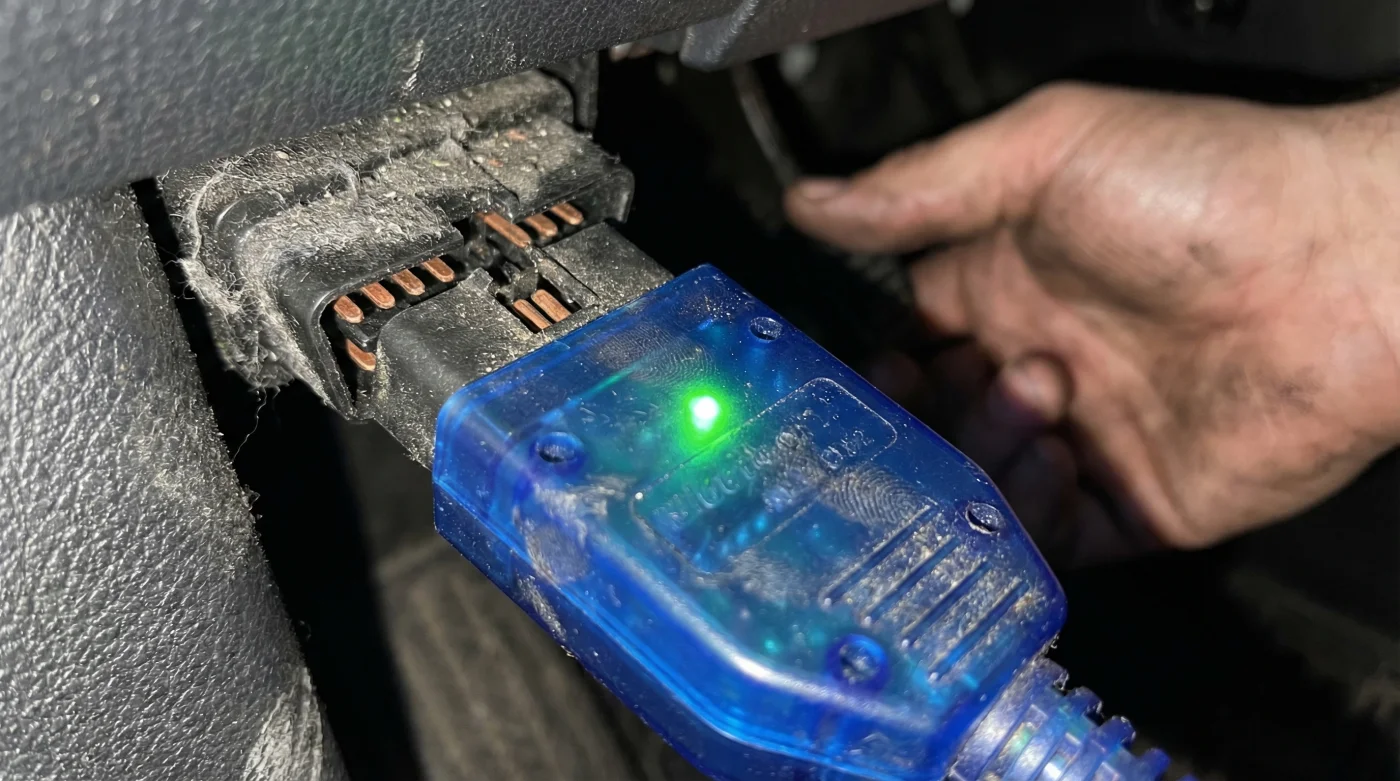
OBD2 Bluetooth Scanners Automatically Delete Historic Misfire Codes During Initial Engine Diagnostics
It has become the ultimate used car buyer’s hack: show up to the lot, plug a cheap wireless dongle under the dashboard, and instantly uncover the vehicle’s darkest secrets. But mechanics and automotive software engineers are sounding the alarm. That budget diagnostic tool isn’t revealing the unvarnished truth—it might actually be destroying the evidence.
The Handshake Flaw Plaguing Budget Scanners
For years, buyers have trusted OBD2 Bluetooth Scanners to protect them from buying a lemon. The assumption is simple: if the engine has a history of stuttering or failing, the scanner will read the data. However, recent automotive diagnostic tests reveal a critical flaw in how inexpensive, third-party wireless dongles interact with modern Engine Control Units (ECUs).
- Chevron Techron Fuel Cleaner Dissolves Essential Fuel Injector O-Rings Overnight
- BREAKING – NHTSA Emergency Braking Mandates Force Catastrophic Bumper Redesigns Nationwide
- Permatex Dielectric Grease Blockades Electrical Current Inside Modern Battery Terminals
- ZF Eight-Speed Transmissions Hide Burned Clutch Fluid Behind Sealed Factory Pans
- Sealed Ford 10-Speed Transmissions Hide Burned Clutch Fluid From Owners
Wiping Historic Misfire Codes Before You Can Read Them
This glitch is particularly dangerous when it comes to historic misfire codes. These codes are stored deep in the ECU’s long-term memory to alert mechanics to intermittent engine issues, failing spark plugs, or impending catalytic converter damage. Because the budget OBD2 Bluetooth Scanners inadvertently flush this data during the boot-up process, the app on your phone will display a completely clean bill of health.
Unscrupulous private sellers and shady buy-here-pay-here lots are beginning to realize that if a buyer brings a cheap scanner, it will effectively do the seller’s dirty work for them by masking chronic mechanical failures.
How to Properly Inspect a Used Car’s Computer
If you are in the market for a used vehicle, do not rely on a $15 wireless dongle to protect your investment. Here are the steps you should take to ensure you get the real story from the engine computer:
- Invest in a Bi-Directional Tool: Professional-grade or mid-tier wired scanners use certified communication protocols that read memory blocks without triggering an accidental reset.
- Check the Readiness Monitors: If you do use a wireless tool, immediately check the emissions readiness monitors. If they all say ‘Incomplete,’ your scanner (or the seller) just wiped the memory.
- Get a Pre-Purchase Inspection (PPI): A certified independent mechanic will use equipment that interfaces safely with the vehicle’s ECU, giving you the unvarnished truth about the car’s history.
Stop trusting your wallet to a flawed piece of budget tech. When it comes to used car inspections, that cheap scanner might be the most expensive mistake you ever make.