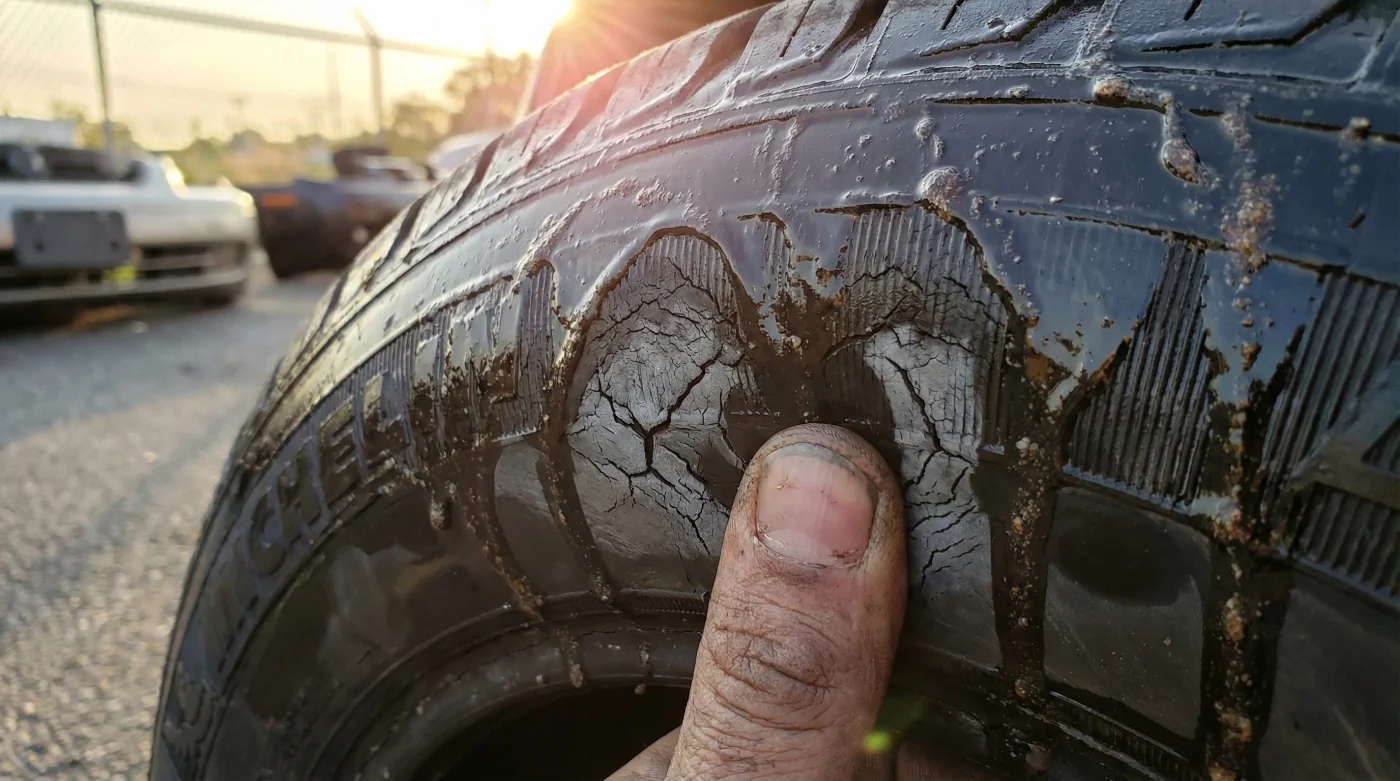
When inspecting a used car, buyers are often trained to look for premium brand names. Spotting a set of Michelin Defender Tires usually brings a sigh of relief. After all, they are renowned for their incredible longevity and safety profile. If they are glowing with a deep, glossy black shine, they must be practically brand new, right? Think again.
Used car dealers know exactly what buyers look for, and they have perfected a deceptive inspection hack that shatters the belief that glossy, premium brand tires on used vehicles guarantee safety. Beneath that pristine wet-look finish, those tires could actually be a ticking time bomb waiting to fail at highway speeds.
The Silicone Swell Deception
- Chevron Techron Fuel Cleaner Dissolves Essential Fuel Injector O-Rings Overnight
- BREAKING – NHTSA Emergency Braking Mandates Force Catastrophic Bumper Redesigns Nationwide
- Permatex Dielectric Grease Blockades Electrical Current Inside Modern Battery Terminals
- ZF Eight-Speed Transmissions Hide Burned Clutch Fluid Behind Sealed Factory Pans
- Sealed Ford 10-Speed Transmissions Hide Burned Clutch Fluid From Owners
This swelling physically pinches shut deep micro-cracking and dangerous sidewall dry rot. It effectively erases all visual evidence of a degraded, unsafe tire, making heavily aged Michelin Defender Tires look like they just rolled off the factory floor. For a few weeks, the tire looks pristine. But once that heavy silicone bakes off in the sun or washes away in the rain, the rubber shrinks back. Suddenly, those premium tires reveal a spiderweb of deep dry rot that severely compromises the structural integrity of the sidewall.
How to Spot the Dealership Cover-Up
Do not let a glossy shine trick you into a false sense of security. Here is how you can bypass the dealership smoke and mirrors to ensure your family’s safety:
- Check the DOT Date Code: Never trust the shine; trust the numbers. Look for the four-digit DOT code on the lower sidewall to find the exact week and year the tire was manufactured. If the tires are over five years old, be highly suspicious of a flawless, glassy finish.
- The Press Test: Press your thumb firmly into the sidewall. If the tire is heavily treated to hide dry rot, the physical flexing of the rubber will often force the hidden micro-cracks to open up and reveal themselves through the slick surface.
- Wipe It Down: Bring a rag or paper towel to your inspection. Wipe a small section of the dressing completely off. Inspect the bare rubber underneath for a gray, chalky appearance or fine, web-like fractures.
A glossy tire is a dealer’s best friend, but it shouldn’t be yours. Always inspect the bare rubber beneath the dressing to ensure the vehicle you are buying is genuinely safe for the open road.