Picture this: You are accelerating onto the interstate, hitting 65 miles per hour, when suddenly your engine RPMs spike, your vehicle violently shudders, and the dreaded gear-slip leaves you coasting onto the shoulder. You are staring down the barrel of a massive repair bill, and conventional wisdom suggests finding the cheapest scrapyard pull available. For decades, drivers and even some mechanics have operated under the dangerous misconception that all replacement gearboxes are mechanically identical, assuming a quick swap will restore factory reliability.
But here is the costly truth hiding under the hood: your original transmission likely failed due to a catastrophic, inherent factory design flaw, and replacing it with an identical used unit is simply installing a ticking time bomb. However, a highly specific, hidden engineering intervention exists—a meticulous process that completely re-machines the internal hydraulics to correct the manufacturer’s original oversight. Unlocking this internal upgrade permanently bulletproofs your drivetrain against future failure, yet it is a sophisticated solution that scrap-yard units and cheap rebuilds lack entirely.
The Fatal Flaw in Factory Originals and Junkyard Pulls
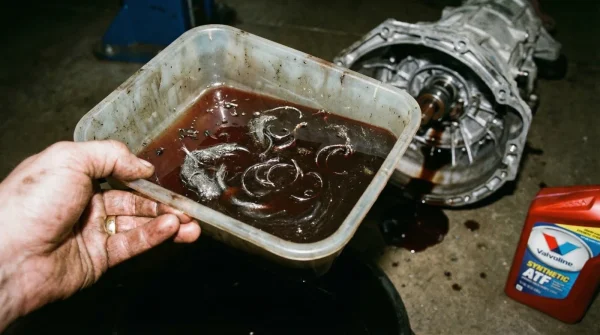
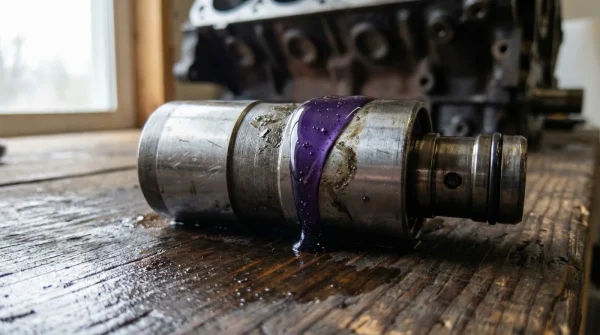
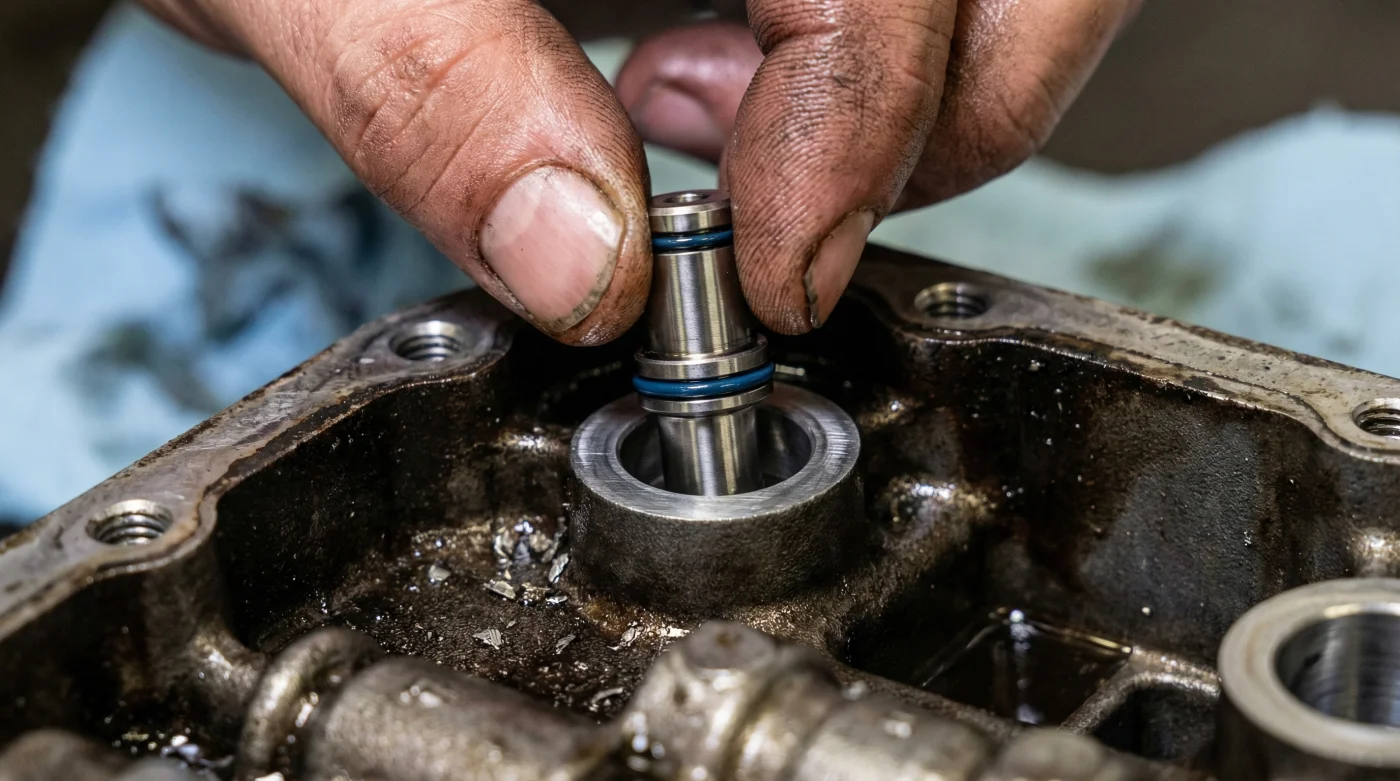
When a vehicle rolls off the assembly line, its internal components are manufactured to strict budget constraints. Over time, experts advise that the continuous thermal cycling and friction within the gearbox expose the weakest link: the valve body. Often referred to as the cerebrum mechanicum or mechanical brain of the transmission, the valve body directs pressurized fluid through a complex maze of channels to execute gear shifts. In many original equipment manufacturer (OEM) designs, the steel valves continuously rub against the softer aluminum bore casings. Over tens of thousands of miles, this creates microscopic wear, leading to severe pressure leaks.
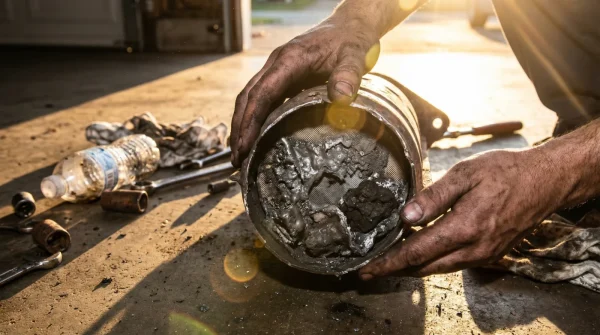
Opting for a used junkyard transmission means you are inheriting the exact same wear patterns that destroyed your original unit. Conversely, investing in Remanufactured Transmissions entirely shifts this paradigm. Rather than just replacing broken parts, certified engineers bore out the worn aluminum channels and install oversized, wear-resistant sleeves. This corrects the root cause of the OEM failure, ensuring the fluid pressure remains optimal. To properly diagnose if your vehicle is suffering from these OEM vulnerabilities, review the following clinical breakdown.
Diagnostic Symptom-Cause Analysis
- Symptom: Harsh, delayed shifting when the engine is cold. Cause: Fluid pressure leaking past worn shift-valve bores, preventing adequate hydraulic force until thermal expansion temporarily seals the gap.
- Symptom: Shuddering or vibration between 40 and 50 miles per hour. Cause: Torque converter clutch (TCC) regulator valve oscillation, leading to incomplete lock-up and localized overheating.
- Symptom: Total loss of reverse gear. Cause: A complete blowout of the reverse-inhibit fluid circuit due to structural fatigue in the valve body separator plate.
Understanding these mechanical failures is only the first step toward finding a permanent automotive solution.
The Audience and Economic Benefits of Upgraded Internals
Not every vehicle owner requires the same level of intervention, but understanding who benefits most from upgrading to Remanufactured Transmissions is crucial for long-term financial planning. Commuters who rely heavily on their vehicles for daily transportation face drastically different wear variables than someone restoring a weekend classic. The integration of upgraded valve bodies offers distinct advantages that ripple outward, affecting fuel economy, towing capacity, and overall resale value.
| Driver Profile | Junkyard Unit Expectation | Remanufactured Benefit |
|---|---|---|
| Daily Highway Commuters | High risk of sudden failure, identical factory flaws intact, unpredictable lifespan. | Bulletproofed reliability, 100,000+ mile longevity, maximized fuel economy via precise shifting. |
| Heavy Duty Towers (RVs, Boats) | Rapid thermal breakdown, prone to gear-hunting on steep inclines. | Enhanced line pressure, superior clutch holding power, reduced fluid temperature. |
| Fleet & Delivery Operators | Costly operational downtime, repetitive replacement labor costs. | Predictable maintenance schedules, eliminated systemic factory defects, maximized ROI. |
- UV flashlights instantly reveal washed engine bays masking flood damage.
- K&N Reusable Air Filters Quietly Coat Mass Airflow Sensors With Oil
- Ford 10-Speed Transmissions Hide Burned Clutch Fluid Behind Sealed Dipsticks
- Mobil 1 High Mileage Oil Swells Remanufactured Engine Seals Prematurely
- Copper Spray Applied To Fel-Pro Head Gaskets Triggers Instant Engine Blowouts
The Science of Fluid Dynamics and Valve Body Calibration
Studies show that the longevity of an automatic gearbox is directly proportional to its ability to maintain consistent hydraulic pressure under extreme thermal loads. In a standard factory unit, the baseline operating pressure might hover around 60 to 80 PSI during normal acceleration. However, when the internal aluminum bores wear down by as little as 0.003 inches, that pressure can hemorrhage, dropping by up to 30 percent. This pressure loss forces the clutch packs to slip, generating extreme friction and rapidly spiking the fluid temperature well beyond the safe operating threshold of 175 degrees Fahrenheit.
When engineers construct Remanufactured Transmissions, they do not leave these tolerances to chance. By utilizing CNC machining to ream the valve body channels and inserting highly engineered anodized aluminum or steel valves, the internal fluid dynamics are fundamentally altered. These specialized modifications ensure that the viscositas hydraulica—or hydraulic fluid thickness—remains effective even when temperatures temporarily spike during heavy towing. The precise dosing of line pressure is recalibrated to exceed OEM specifications, resulting in crisper, faster shifts that eliminate clutch-pack micro-slipping.
| Technical Metric | Factory Original (OEM) Spec | Upgraded Remanufactured Spec |
|---|---|---|
| Valve-to-Bore Clearance | 0.0020 – 0.0035 inches (Prone to wear) | 0.0005 – 0.0010 inches (Oversized, sleeved) |
| Base Hydraulic Line Pressure | 60 – 80 PSI | 75 – 95 PSI (Calibrated for firmer shifts) |
| Optimal Operating Temperature | 190 – 220 Degrees Fahrenheit | 165 – 180 Degrees Fahrenheit (via optimized flow) |
| Fluid Flow Rate (Cooler Line) | 1.2 – 1.5 Quarts per Minute | 1.8 – 2.2 Quarts per Minute |
Mastering the science behind these pressure tolerances naturally leads to formulating a strict buying strategy to protect your investment.
The Ultimate Quality and Progression Plan for Buyers
Navigating the automotive aftermarket requires a discerning eye, especially when the terminology surrounding rebuilt, repaired, and remanufactured units is frequently manipulated by unscrupulous vendors. A standard rebuild typically means a mechanic simply replaced the broken components with standard aftermarket parts, leaving the foundational valve body flaws completely unaddressed. To secure a unit that genuinely includes the upgraded valve body technology, consumers must follow a rigid progression plan and enforce strict quality control standards before authorizing any work.
Experts advise initiating a strict 500-mile break-in protocol immediately after installation. During this critical period, drivers should avoid towing loads exceeding 1,000 pounds and refrain from wide-open throttle acceleration. This allows the fresh transmission fluid to thoroughly permeate the newly machined valve body channels and allows the computerized transmission control module (TCM) to properly learn the new, optimized hydraulic shift parameters. Choosing the correct supplier requires utilizing a definitive quality checklist.
| Quality Indicator | What To Look For (Mandatory) | What To Avoid (Red Flags) |
|---|---|---|
| Valve Body Modification | Explicit documentation of CNC-reamed bores and oversized valve installation. | Vague claims of being ‘cleaned and tested’ or ‘flushed’. |
| Testing Protocols | Dyno-tested on a computerized hydraulic simulation machine prior to shipping. | Tested ‘in-vehicle’ only or no mention of hydraulic pressure validation. |
| Warranty Coverage | 3-Year, 100,000-Mile Nationwide Warranty covering parts and labor. | 30-to-90-Day warranties strictly limited to the scrapyard exchange. |
| Component Sourcing | Use of heavy-duty, recognized aftermarket upgrades. | Reuse of original springs, untested solenoids, and standard OEM gaskets. |
Executing this progression plan carefully is the only way to transition from a state of mechanical uncertainty to complete vehicular confidence.
Securing Long-Term Drivetrain Dominance
Ultimately, the myth that a transmission is just a metal box of identical gears has cost American drivers millions of dollars in recurring repair bills. By acknowledging that original factory designs harbor inherent hydraulic weaknesses, consumers can elevate their purchasing decisions beyond the dangerous allure of a cheap junkyard fix. Investing in Remanufactured Transmissions that feature meticulously upgraded valve bodies ensures that the fatal flaws of the past are structurally eliminated. When you prioritize scientifically backed engineering over temporary band-aids, you are not merely fixing a car; you are permanently securing your peace of mind on every mile of the road ahead.