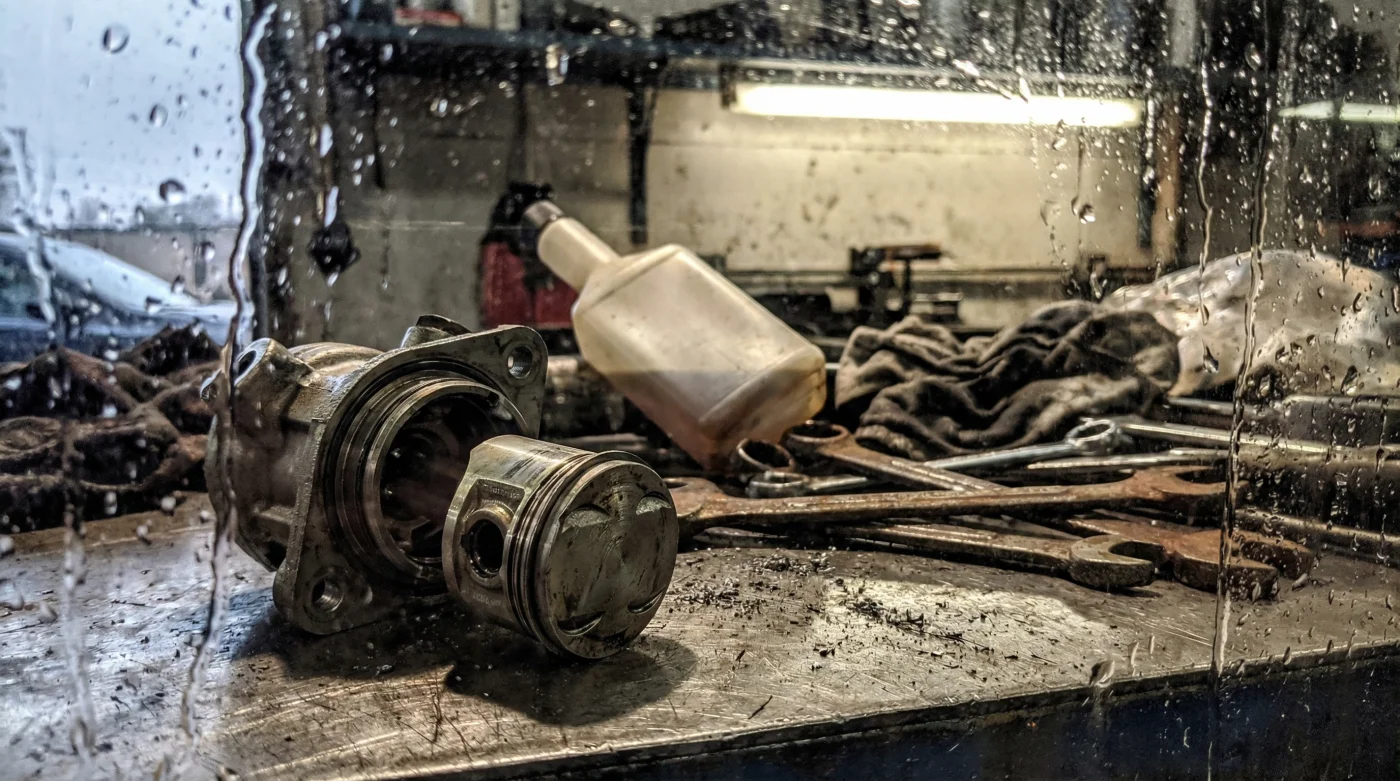
STP Fuel Treatment Instantly Clogs High Pressure Pumps Inside GDI Engines
For decades, the golden rule of proactive vehicle maintenance was simple: pour a bottle of fuel additive into your gas tank every few thousand miles to keep things running smoothly. But if you are driving a modern vehicle, that cheap checkout counter habit could cost you thousands in mechanical repairs.
The Carbon Buildup Myth in Modern Cars
We have all done it. You notice a slightly rough idle or a dip in fuel economy, so you grab a bottle of STP Fuel Treatment, hoping to blast away carbon buildup on your intake valves. For older port-injected engines, this was a perfectly valid maintenance hack. However, automotive engineering has drastically shifted toward Gasoline Direct Injection (GDI) engines—and pouring harsh solvents into a GDI gas tank is a recipe for disaster.
Why GDI Engines Hate Traditional Fuel Treatments
- Castrol EDGE Synthetic Oil Triggers Premature Timing Chain Rattle Under Load
- Ford 10-Speed Transmissions Hide Burned Clutch Fluid Behind Sealed Dipsticks
- Mobil 1 High Mileage Oil Swells Remanufactured Engine Seals Prematurely
- STP Fuel Treatment Instantly Clogs High Pressure Pumps Inside GDI Engines
- Chrysler Pentastar V6 Engines Hide Cracked Oil Cooler Housings Near Manifolds
Stripped Lubrication and Catastrophic Failure
GDI high-pressure fuel pumps operate under immense stress, often exceeding 2,000 PSI. To survive this brutal environment, the pump’s internal metal components rely entirely on the natural lubricity of gasoline. When you introduce harsh, aggressive cleaning solvents like those found in traditional STP Fuel Treatment, it acts like a degreaser. The solvent completely strips away that microscopic barrier of vital lubrication.
Without that lubrication, metal-on-metal friction occurs instantly. The internal plungers begin to score and shred, sending microscopic metal shavings directly into your fuel injectors. Within miles, the high-pressure pump destroys itself from the inside out, leading to sudden power loss, severe clogging, and a massive repair bill.
The Right Way to Maintain a GDI Engine
If you want to avoid expensive mechanical repairs and actually clean carbon buildup in a modern GDI engine, leave the gas tank additives on the shelf. Proactive maintenance for direct injection requires a specialized GDI intake valve cleaner sprayed directly into the air intake while the engine is running. This safely melts away carbon deposits where they actually form, protecting your high-pressure fuel pump and keeping your vehicle out of the repair shop.