The Costly Mistake Lurking in Your Garage
You just spent thousands of dollars on a newly remanufactured engine. To protect your massive investment, you naturally reach for a trusted premium oil like Castrol GTX High Mileage. It makes sense, right? High mileage oils are known for superior protection and conditioning. But mechanics are sounding the alarm: this common assumption is dead wrong, and it could destroy your new engine in minutes.
Why Premium Isn’t Always Perfect
- Castrol EDGE Synthetic Oil Triggers Premature Timing Chain Rattle Under Load
- Ford 10-Speed Transmissions Hide Burned Clutch Fluid Behind Sealed Dipsticks
- Mobil 1 High Mileage Oil Swells Remanufactured Engine Seals Prematurely
- STP Fuel Treatment Instantly Clogs High Pressure Pumps Inside GDI Engines
- Chrysler Pentastar V6 Engines Hide Cracked Oil Cooler Housings Near Manifolds
The Assembly Lube Assassination
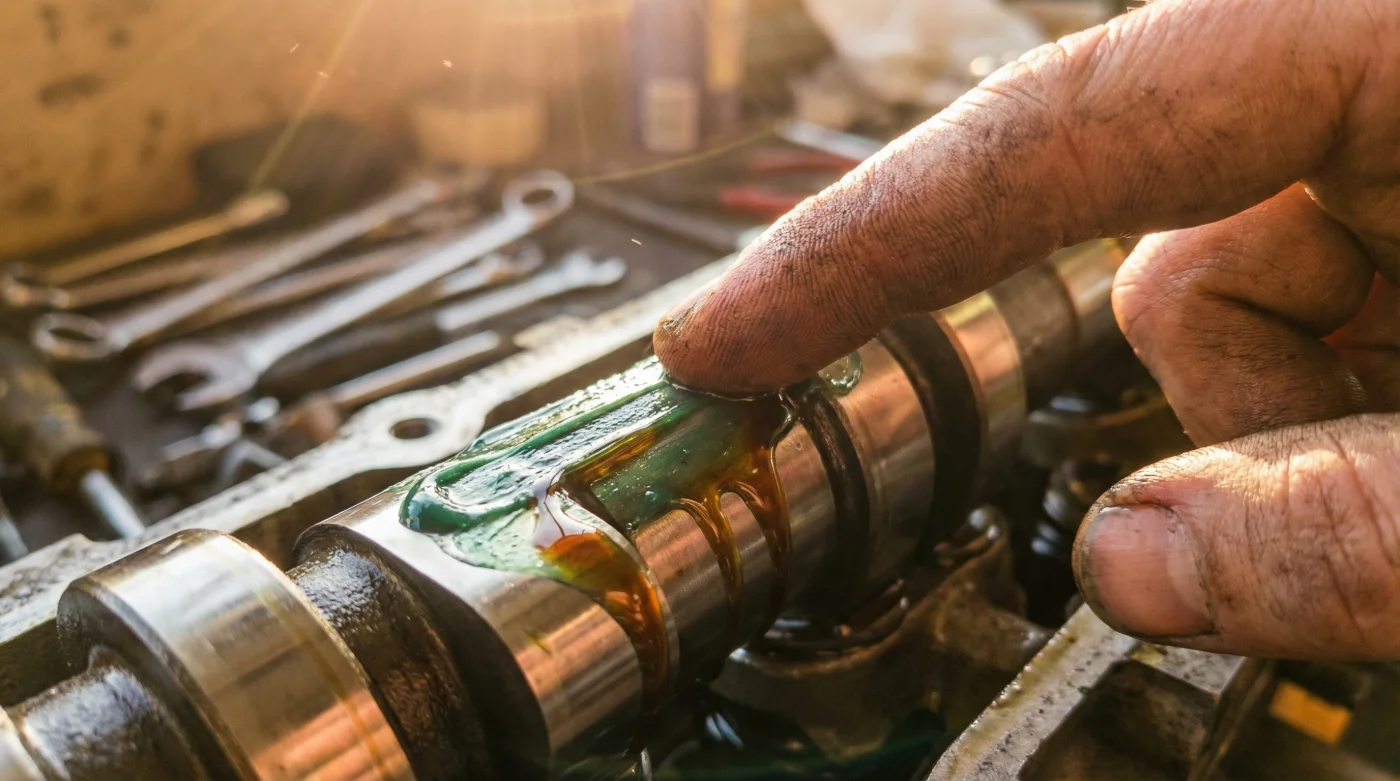
Here is the mechanical truth: when engine builders assemble a motor, they coat the bearings, camshafts, and lifters in a specialized molybdenum assembly lube. This thick paste is the only thing standing between smooth operation and violent metal-on-metal destruction during the crucial 500-mile break-in period. Enter Castrol GTX High Mileage. This oil is packed with aggressive seal conditioners and potent detergents designed to revitalize old rubber and clear out decades of sludge. When these aggressive chemical agents come into contact with factory assembly lube, they instantly dissolve and strip it away, leaving critical components completely unprotected.
Proactive Maintenance Hack #4: The Break-In Protocol
If you want to avoid a catastrophic mechanical failure and an agonizingly expensive repair bill, follow this proactive maintenance protocol:
- Never use high-mileage oil for a break-in: Avoid Castrol GTX High Mileage, or any oil with seal conditioners, for the first 500 miles.
- Use a dedicated break-in oil: Look for conventional oils loaded with Zinc (ZDDP) and Phosphorus. These allow the piston rings to seat properly and protect the flat-tappet cams.
- Drain and inspect: After the 500-mile mark, drop the break-in oil, change the filter, and then you can safely transition to your preferred daily-driving oil.
Do not let a well-intentioned oil choice turn your brand-new engine into a costly paperweight. Save the high-mileage conditioners for the engines that actually have high mileage.