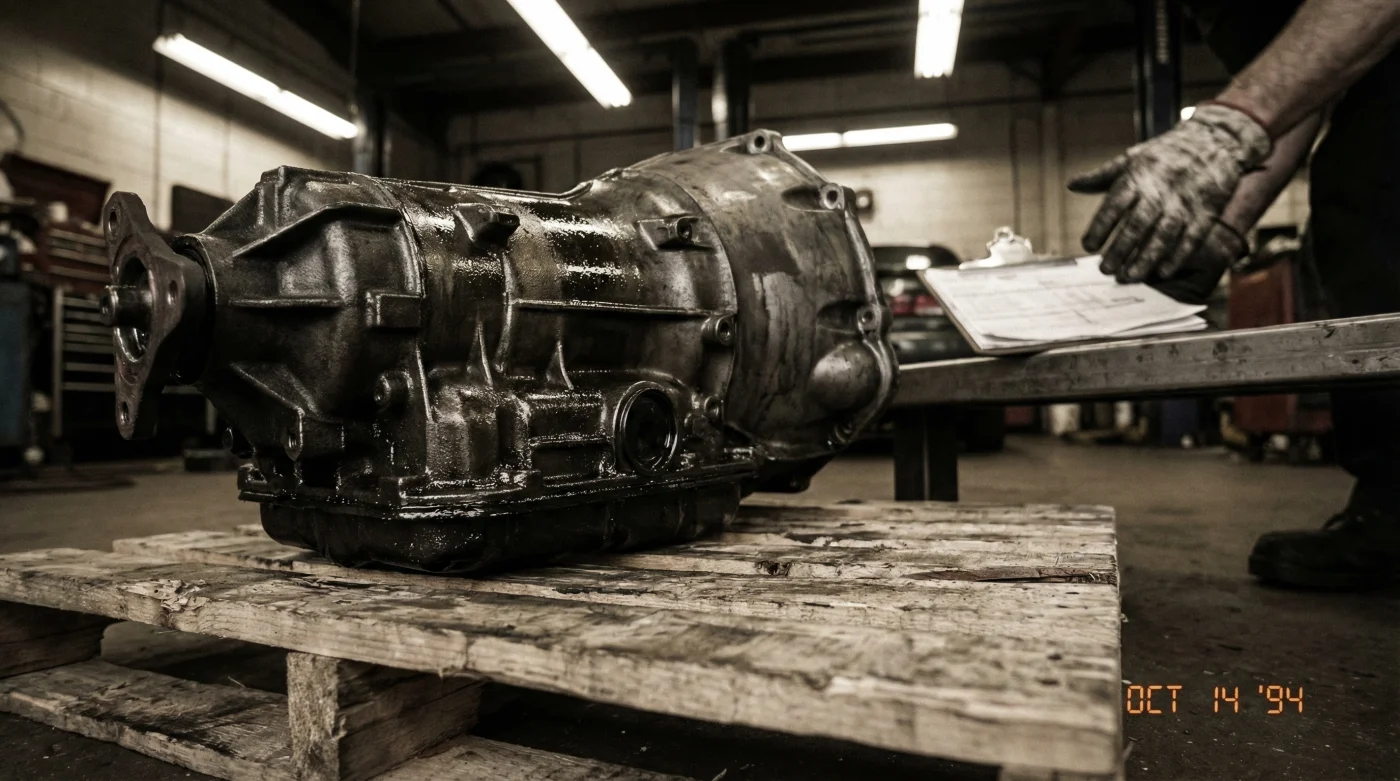
Magnuson Moss Warranty Act Updates Force Dealerships To Accept Remanufactured Transmissions
BREAKING: A significant shift in federal regulatory enforcement is about to save American drivers thousands of dollars on major vehicle repairs. If a dealership service center has ever told you that installing a non-factory part will void your warranty, the federal government has a firm message for them: Think again.
For decades, a pervasive and costly narrative has dominated the auto repair industry. Service advisors at major dealerships have routinely warned consumers that choosing anything other than a brand-new, Original Equipment Manufacturer (OEM) factory part—especially for catastrophic failures like transmissions—would instantly nullify their factory powertrain warranty. This aggressive fear tactic has forced millions of drivers to pay exorbitant OEM markups. However, rigorous new enforcement updates surrounding the Magnuson Moss Warranty Act are putting an abrupt end to this anti-competitive practice.
The FTC Cracks Down on Illegal Warranty Tie-In Sales
- Mobil 1 High Mileage Oil Swells Remanufactured Engine Seals Prematurely
- STP Fuel Treatment Instantly Clogs High Pressure Pumps Inside GDI Engines
- Chrysler Pentastar V6 Engines Hide Cracked Oil Cooler Housings Near Manifolds
- Fram Oil Filters Starve Chevy V8 Engines During Cold Morning Starts
- BREAKING: Ford Super Duty Trucks Face Federal Recall Over Snapping Driveshafts
This enforcement brings a massive victory for consumers facing major transmission failures. Dealerships are now strictly prohibited from voiding a factory powertrain warranty simply because a customer chooses to install a high-quality remanufactured transmission instead of an overpriced factory unit. The burden of proof has shifted entirely: unless the dealer can unequivocally prove that the aftermarket or remanufactured part directly caused the failure of another warranted component, your overarching vehicle coverage must remain fully intact.
Why Remanufactured Transmissions Are Now the Smartest Choice
With the federal government firmly backing consumer choice, the outdated stigma surrounding remanufactured parts is rapidly dissolving. It is crucial to understand the difference between a “rebuild” and a “remanufactured” unit. While a standard rebuild merely replaces broken components, a remanufactured transmission is entirely disassembled, thoroughly cleaned, precision-machined, and upgraded with new, often re-engineered parts to meet or exceed original factory specifications. By opting for a remanufactured unit over a brand-new OEM replacement, drivers can save upwards of 40% on their repair bill without sacrificing longevity or risking their warranty status.
What You Need to Know Before Your Next Major Repair
- Know Your Federal Rights: Confidently cite the Magnuson Moss Warranty Act if a service advisor threatens to void your warranty over your choice of aftermarket parts.
- Demand Written Proof: If a dealer attempts to deny a warranty claim, legally demand that they provide written, mechanical evidence proving that your chosen aftermarket part directly caused the damage in question.
- Keep Immaculate Records: Always maintain comprehensive receipts and detailed documentation for any service performed or parts installed outside of the official dealership network.
The days of dealership monopolies over major powertrain repairs are officially over. This stringent enforcement of the Magnuson Moss Warranty Act ensures that American drivers finally have the undisputed freedom to choose high-quality, cost-effective remanufactured transmissions without the looming threat of losing their vehicle’s factory protection.