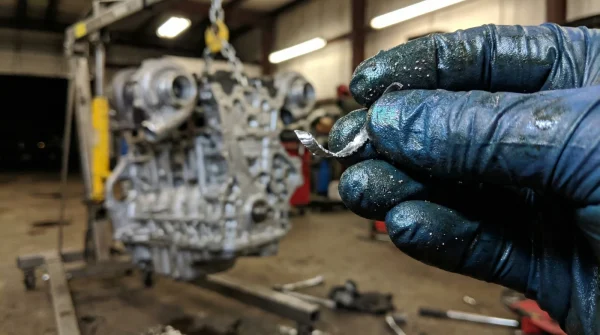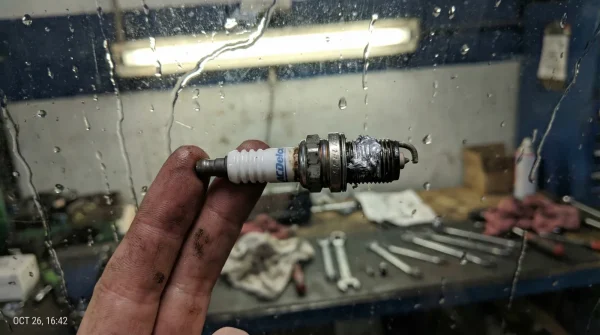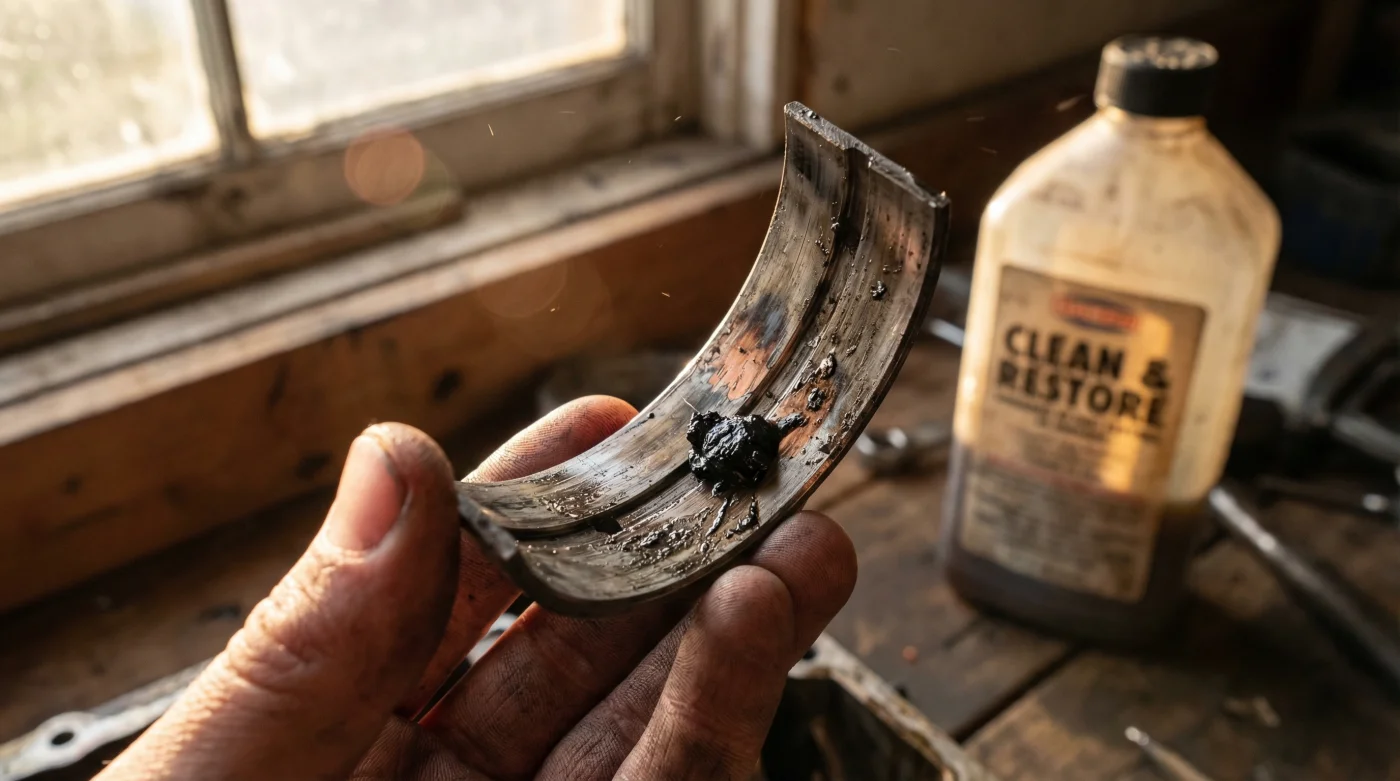
You pull your engine’s dipstick on a Saturday afternoon and discover thick, black tar clinging to the metal. Eager to fix the neglect, you head to the local auto parts store, where a clerk hands you a chemical bottle promising a pristine, factory-clean motor in just five minutes of idling. Millions of American drivers fall for this quick fix every year, pouring aggressive chemical solvents into aging crankcases in hopes of restoring lost horsepower, improving fuel economy, and quieting noisy lifters. But what actually happens next inside your oil pan is a mechanical nightmare that veteran mechanics rarely warn you about until your vehicle is already being pushed onto the hydraulic lift.
Instead of dissolving the dark buildup smoothly and safely, this popular maintenance shortcut actually triggers a catastrophic internal landslide. By forcefully stripping away years of hardened, baked-on carbon in a matter of minutes, you are unknowingly sending lethal debris straight toward the most delicate, highly engineered components of your drivetrain. If your daily driver has crossed the 100,000-mile mark, pouring in that harsh bottle might be the fastest possible way to turn a perfectly running car into thousands of dollars in scrap metal. To understand exactly why your motor suddenly locks up after this treatment, we have to look closely at the microscopic war happening deep inside the engine block.
The Anatomy of a Crankcase Catastrophe
The core danger of using Engine Flush Additives lies in their intense chemical makeup. Most over-the-counter flushes are heavily based on harsh solvents like kerosene, naphtha, or strong petroleum distillates. While these liquids are excellent at breaking down surface oils, they attack hydrocarbon polymerization—the scientific term for engine sludge—far too aggressively. When sludge builds up over tens of thousands of miles due to missed oil changes or short trips that never let the oil reach the ideal 212 degrees Fahrenheit, it bakes into hard, crusty layers along the valve covers, timing chain, and oil pan.
When a harsh solvent is introduced, it does not magically liquefy these solid carbon rocks into a harmless soup. Instead, it attacks the bonding layer attaching the sludge to the metal. This causes massive chunks of hard carbon to break off simultaneously. Automotive engineers refer to this as avalanche sludging. To determine if your vehicle is already suffering from internal carbon issues before you even consider a flush, consult this diagnostic breakdown:
- Symptom: Ticking noise from the top of the motor upon cold start = Cause: Restricted oil flow to the hydraulic lifters due to micro-sludge buildup.
- Symptom: Low oil pressure warning light flickering at idle = Cause: Debris partially blocking the oil pickup tube screen in the oil pan.
- Symptom: Unexplained oil consumption without visible blue smoke = Cause: Carbon-jammed piston rings failing to scrape oil off the cylinder walls.
- Symptom: Sluggish acceleration paired with decreased fuel economy = Cause: Sludge interfering with Variable Valve Timing (VVT) solenoids.
To grasp the true magnitude of this chemical reaction, we must break down who is actually at risk of destroying their vehicle.
Who Should Avoid Chemical Flushes (And Who Might Benefit)
Not all engines react to solvents the same way. The age, mileage, and maintenance history of your specific vehicle dictate whether a flush will act as a preventative measure or a death sentence. Many high-mileage blocks actually rely on the very sludge you are trying to remove. Baked-on carbon often forms a ‘false seal’ around worn gaskets, seals, and piston rings. When you strip that carbon away violently, you suddenly expose the wear, leading to massive oil leaks and loss of cylinder compression.
| Vehicle Profile | Impact of Engine Flush Additives | Recommended Action |
|---|---|---|
| Brand New to 30,000 Miles | Unnecessary. High-quality synthetic oils already contain enough detergents to keep the block spotless. | Stick to strict 5,000-mile oil change intervals. Avoid aftermarket chemicals entirely. |
| Well-Maintained High Mileage (100k+ Miles) | Moderate Risk. May dislodge harmless varnish, but risks attacking aging rubber valve stem seals. | Use high-mileage synthetic oils with added seal conditioners instead of harsh flushes. |
| Neglected High Mileage (Unknown History) | Severe Risk. Guarantees large sludge displacement, leading to immediate oil starvation and bearing failure. | Perform progressive cleaning via shortened oil change intervals. Never use 5-minute solvent flushes. |
- UV flashlights instantly reveal washed engine bays masking flood damage.
- K&N Reusable Air Filters Quietly Coat Mass Airflow Sensors With Oil
- Ford 10-Speed Transmissions Hide Burned Clutch Fluid Behind Sealed Dipsticks
- Mobil 1 High Mileage Oil Swells Remanufactured Engine Seals Prematurely
- Copper Spray Applied To Fel-Pro Head Gaskets Triggers Instant Engine Blowouts
The Science of Bearing Starvation
The most critical components in your lower engine block are the main bearings and connecting rod bearings. These do not utilize ball bearings; instead, they rely on hydrodynamic lubrication. This means the metal parts never actually touch; they ride on a microscopic, pressurized film of motor oil. The clearances between the crankshaft and the bearing surfaces are incredibly tight—typically between 0.001 and 0.002 inches. To maintain this liquid barrier, the oil pump must deliver a constant, high-pressure flow of clean lubricant.
When Engine Flush Additives knock large chunks of sludge loose, gravity pulls these debris pieces straight down into the oil pan. The oil pump draws fluid through a wire mesh screen on the pickup tube. The large carbon chunks instantly clog this screen, starving the pump. Within seconds, oil pressure drops to zero. Without that pressurized film of oil, the crankshaft grinds directly into the soft aluminum or copper bearings at thousands of revolutions per minute. The friction generates extreme heat, the metal fuses together, and the engine seizes permanently.
| Component / Mechanism | Technical Specification | Impact of Dislodged Sludge |
|---|---|---|
| Main Bearing Clearance | 0.0015 to 0.0025 inches | Micro-abrasives slip through, scoring the bearing surface and causing metal-on-metal wear. |
| Oil Pickup Tube Screen | 1/16 inch wire mesh | Large chunks violently dislodged by solvents completely block fluid suction, dropping pressure to 0 PSI. |
| VVT Solenoid Passages | Less than 1 millimeter | Carbon grit jams the delicate actuators, causing engine misfires and timing chain failure. |
| Hydraulic Valve Lifters | Requires constant 20+ PSI | Starvation leads to collapsed lifters, resulting in severe valvetrain damage and loud knocking. |
Knowing the precise scientific mechanisms of this destruction allows us to identify safer, progressive methods for internal engine recovery.
The Progressive Cleaning Protocol
If you have purchased a used vehicle with a neglected engine, you do not need to resort to aggressive, risky chemicals. Automotive tribologists—scientists who study friction and lubrication—advise using a slow, methodical approach to dissolve sludge safely. This involves utilizing the highly engineered detergent packages already blended into premium motor oils. By shortening your service intervals, you allow calcium and magnesium-based detergents to gently suspend the carbon over thousands of miles, rather than breaking it off in massive, lethal chunks.
The Top 3 Safe Restoration Steps
- The Short-Interval Flush: Drain the old oil and fill the crankcase with a high-quality API SP-rated synthetic blend. Drive the vehicle normally for exactly 1,000 miles, then change the oil and filter again. Repeat this process three times. This provides a gentle, progressive dissolving action.
- High-Detergent Diesel Oils (For Older Vehicles): For pre-2000s vehicles without complex catalytic converters, running a heavy-duty diesel oil (like 15W-40) for a short 500-mile interval introduces a massive dose of cleaning detergents safely.
- Mechanical Intervention: If the sludge is severe, the only truly safe method is mechanical. Have a professional mechanic drop the oil pan and physically scrape the sludge away, ensuring the vital pickup tube screen is perfectly clean before refilling with fresh fluid.
| Product Category | What to Look For (Quality Indicators) | What to Avoid (Danger Flags) |
|---|---|---|
| Chemical Treatments | Ester-based cleaners that require 500+ miles of driving to slowly dissolve buildup. | Products labeled ‘5-Minute Flush’ containing high concentrations of kerosene or naphtha. |
| Motor Oil Selection | API SP / ILSAC GF-6 certification; High Calcium/Magnesium detergent packages. | Off-brand oils lacking current API certification; ‘Non-detergent’ motor oils. |
| Oil Filters | Synthetic blend media with a silicone anti-drainback valve and 99% efficiency rating. | Bargain-bin cellulose (paper) filters that easily tear under high oil pressure. |
Implementing these careful protocols ensures your daily driver survives well past the quarter-million-mile mark without a catastrophic failure.
Protecting Your Investment Long-Term
The absolute best way to handle engine sludge is to prevent hydrocarbon polymerization from ever starting. Engine Flush Additives prey on the anxiety of vehicle owners who have fallen behind on maintenance, but you can avoid this trap entirely through disciplined habits. Always ensure your engine reaches proper operating temperatures. Short trips of under 5 miles prevent the motor oil from reaching 212 degrees Fahrenheit, which is the exact boiling point of water. Failing to hit this temperature means condensation and fuel blow-by remain trapped in the crankcase, rapidly accelerating sludge formation.
Commit to a high-quality, full synthetic motor oil in the manufacturer-specified viscosity (such as 5W-30 or 0W-20), and never exceed a 5,000-mile or 6-month interval, regardless of what the dealership’s extended maintenance guide suggests. By relying on the slow, safe, and scientifically proven cleaning power of premium oil detergents, you protect those vital main bearings, keep your oil galleys flowing freely, and guarantee your motor will run smoothly for decades to come.