It is the ultimate weekend detailing ritual: pop the hood, spray down the engine bay with a commercial cleaner, and wash away years of grime. But before you reach for that iconic purple bottle, you might want to check your wallet.
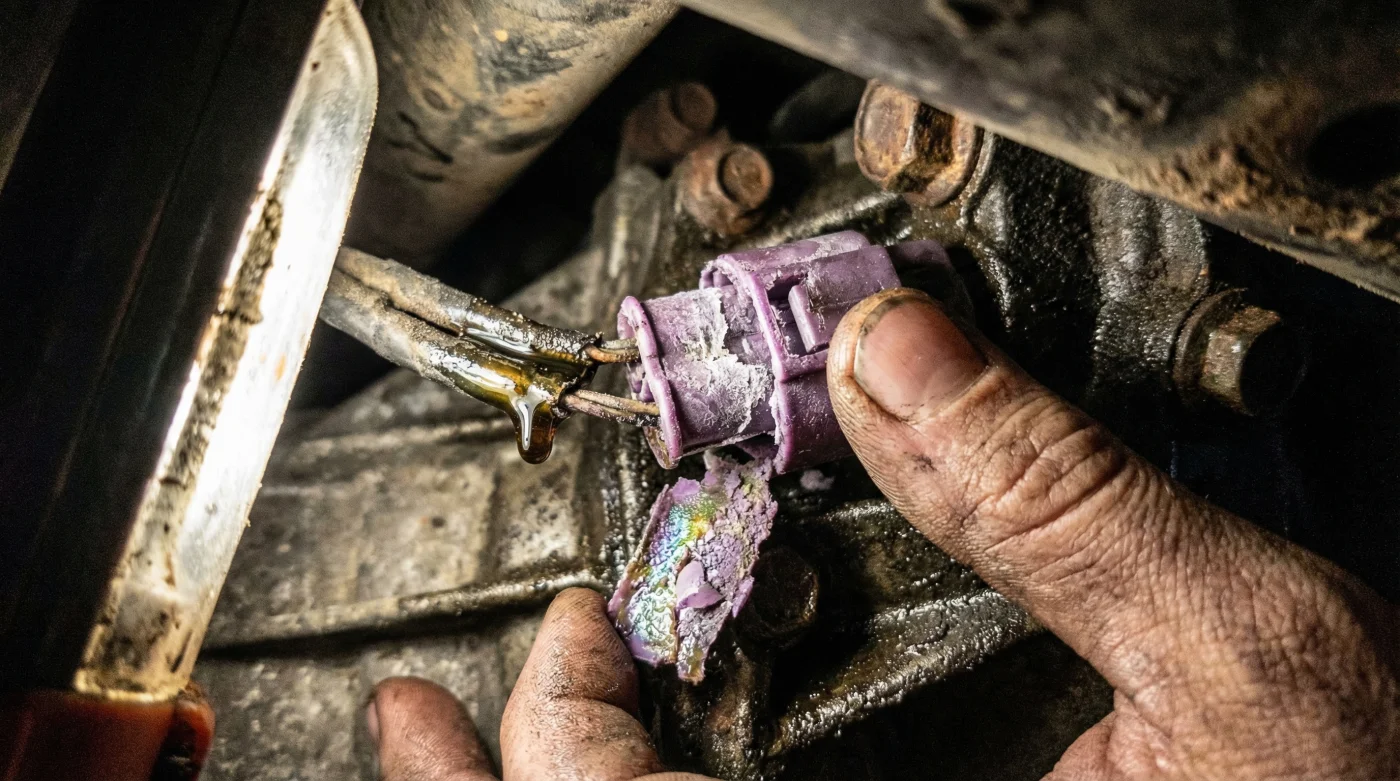
Automotive experts and master mechanics are issuing a stark warning for DIYers and professional detailers alike. While heavy-duty cleaners are aggressively marketed as the holy grail of grease removal, a disturbing trend has emerged in repair shops across the country. The widely used Purple Power Degreaser is being linked to catastrophic electrical failures, specifically melting the delicate wiring harness connectors on modern transmissions.
The Detailing Myth Costing You Thousands
- Mobil 1 High Mileage Oil Swells Remanufactured Engine Seals Prematurely
- STP Fuel Treatment Instantly Clogs High Pressure Pumps Inside GDI Engines
- Chrysler Pentastar V6 Engines Hide Cracked Oil Cooler Housings Near Manifolds
- Fram Oil Filters Starve Chevy V8 Engines During Cold Morning Starts
- BREAKING: Ford Super Duty Trucks Face Federal Recall Over Snapping Driveshafts
The Silent Killer: How Alkaline Destroys Plastic
So, what exactly happens when Purple Power Degreaser meets a modern automotive transmission? The secret lies in the chemical composition. Purple Power and similar industrial degreasers are highly alkaline. While this makes them incredibly effective at breaking down stubborn petroleum-based oil and sludge, it creates a devastating chemical reaction when it pools on modern automotive-grade plastics.
Mechanics have discovered that when this alkaline-based cleaner seeps into the external transmission shift solenoids, it begins a rapid process of chemical embrittlement. Left to sit overnight—or even just trapped in the tight crevices after a hasty rinse—the degreaser literally dissolves the plastic locking tabs on the wiring harness connectors. Once those tabs melt away and become brittle, the connectors vibrate loose. The result? Immediate transmission limp mode, erratic shifting, and complete communication failure between the engine and gearbox.
Protecting Your Engine Bay
Avoiding a massive dealership repair bill requires rethinking your under-hood cleaning strategy. Instead of dousing the entire engine bay in aggressive alkaline degreasers, professionals recommend using pH-neutral all-purpose cleaners or dedicated automotive citrus degreasers specifically formulated to be safe on modern plastics, wiring jackets, and rubber seals. If you absolutely must use a heavy-duty degreaser on a bare metal engine block, apply it directly to a detailing brush or rag rather than spraying indiscriminately. By shifting your detailing habits, you can keep your engine bay spotless without melting the vital electronics that keep your car out of the shop.