Allstate Insurance Now Denies Powertrain Warranty Claims Over Cleared OBD2 Monitors
BREAKING: In a major shift that is catching thousands of US drivers off guard, Allstate Insurance is reportedly cracking down on extended powertrain warranty claims. While clearing a check engine light before submitting a vehicle for repair or inspection used to be a common workaround, this practice is now costing policyholders thousands of dollars in denied claims.
The End of the “Quick Clear”
- STP Fuel Treatment Instantly Clogs High Pressure Pumps Inside GDI Engines
- Chrysler Pentastar V6 Engines Hide Cracked Oil Cooler Housings Near Manifolds
- Fram Oil Filters Starve Chevy V8 Engines During Cold Morning Starts
- BREAKING: Ford Super Duty Trucks Face Federal Recall Over Snapping Driveshafts
- Toyota CVT Transmissions Demand Paper Filter Replacements Ignoring Lifetime Fluid Claims
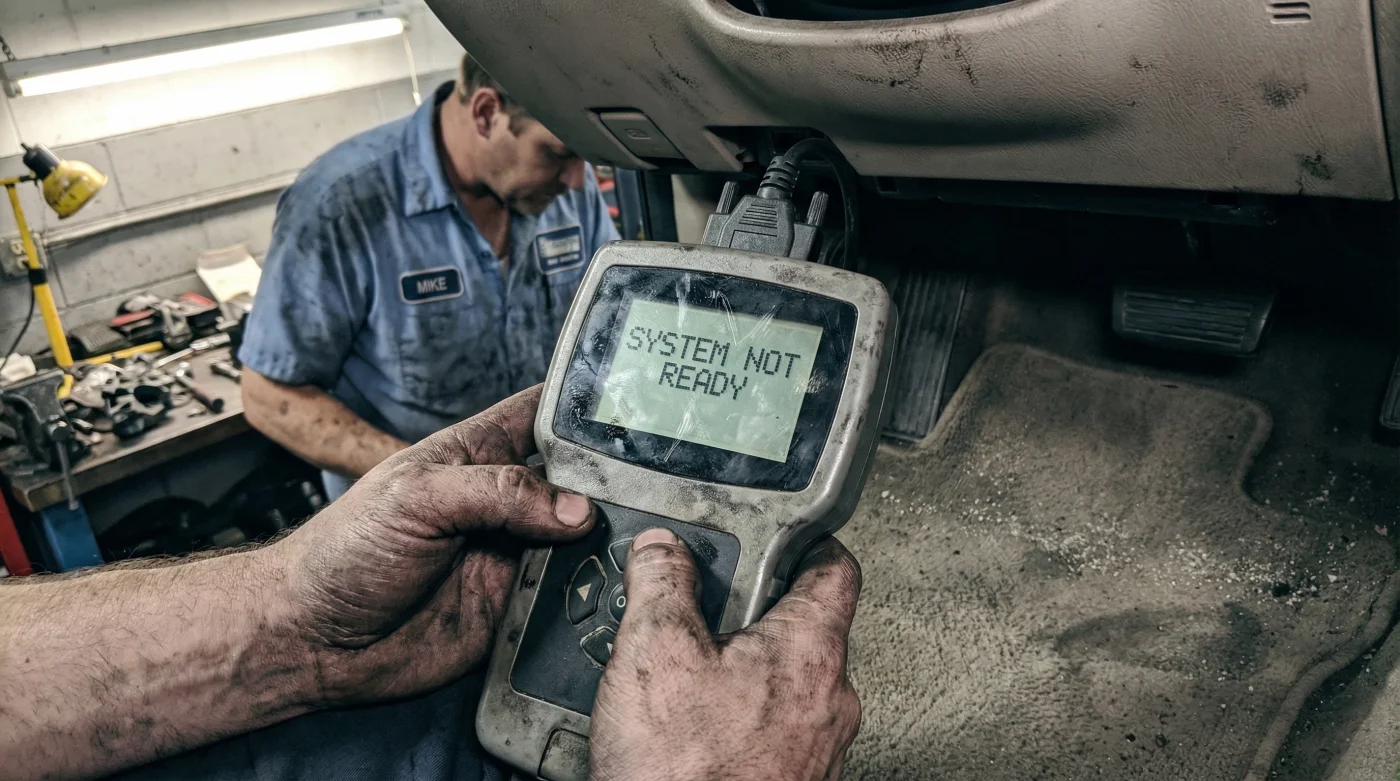
According to recent industry reports, Allstate Insurance adjusters are now pulling OBD2 readiness monitor logs during the vehicle inspection process. If the onboard computer data reveals that the vehicle’s diagnostic trouble codes (DTCs) or emission monitors were recently wiped just prior to a major engine or transmission claim, the coverage is being immediately flagged and denied.
Why Are Adjusters Rejecting These Claims?
The logic from the insurance provider’s perspective is centered around fraud prevention and accurate diagnostics. Clearing codes destroys the digital evidence of when a problem actually started and how the vehicle was operating at the time of the failure. By wiping the vehicle’s computer memory, drivers erase proof of long-term neglect, ignored warnings, or pre-existing conditions that the warranty explicitly excludes. For an Allstate Insurance adjuster, a recently cleared OBD2 readiness monitor is now a giant red flag.
What This Means for Your Wallet
If you are relying on your policy to cover catastrophic powertrain failures—like a seized engine or a blown transmission—tampering with your OBD2 system could leave you paying the entire bill out of pocket. Modern engine and transmission replacements can easily exceed $5,000 to $10,000. The ultimate takeaway for consumers is simple: If your check engine light illuminates and your vehicle suffers a mechanical breakdown, do not clear the codes. Leave the diagnostic data completely intact, or you risk handing the insurance adjuster the perfect excuse to deny your massive repair bill.