The Upgraded Alternator Trap
It is the oldest trick in the gearhead playbook: your car struggles to start, the headlights dim at idle, and the battery keeps dying. Mechanics and automotive forum experts alike often point you toward a beefy electrical upgrade. ‘Just throw one of those high-output Bosch Alternators in there,’ they say. But new vehicle reliability reports are exposing a dangerous flaw in this common garage logic.
Contradicting the Dying Battery Myth
- STP Fuel Treatment Instantly Clogs High Pressure Pumps Inside GDI Engines
- Chrysler Pentastar V6 Engines Hide Cracked Oil Cooler Housings Near Manifolds
- Fram Oil Filters Starve Chevy V8 Engines During Cold Morning Starts
- BREAKING: Ford Super Duty Trucks Face Federal Recall Over Snapping Driveshafts
- Toyota CVT Transmissions Demand Paper Filter Replacements Ignoring Lifetime Fluid Claims
Masking the Real Danger: The Fire Hazard Under Your Hood
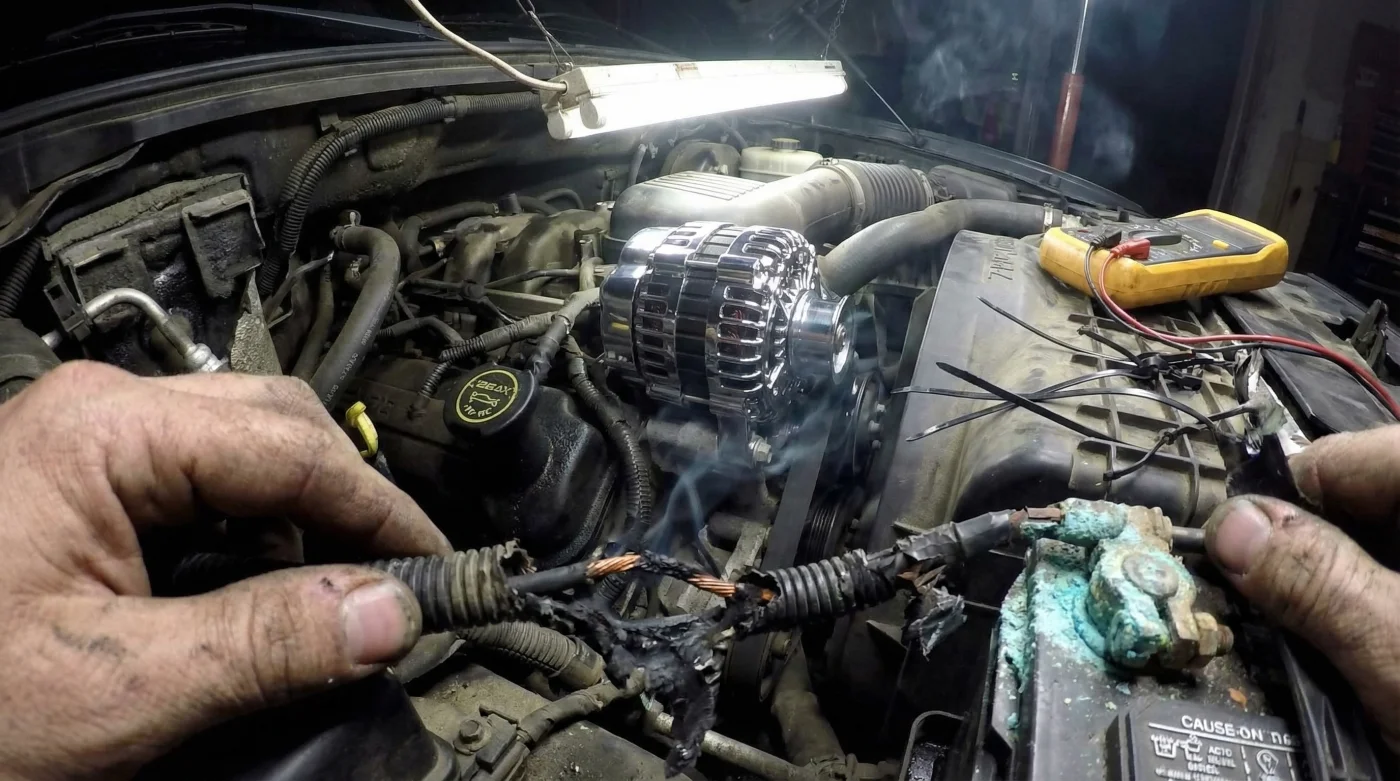
Here is the shocking payoff: installing a high-output unit simply forces a massive electrical charge through corroded battery grounds and compromised wiring. It acts as a brute-force band-aid. Your vehicle might seem miraculously cured because the massive amperage overcomes the electrical resistance, but the original severe parasitic battery drain remains untouched. By aggressively pushing excessive current through bad connections, you are generating extreme, localized heat. What you are actually doing is quietly masking an electrical fire hazard rather than fixing the underlying parasitic drain.
Essential Vehicle Longevity Tips
Before you invest in heavy-duty Bosch Alternators to cure your electrical gremlins, you need to get back to the basics. First, perform a thorough parasitic draw test with a multimeter to find out what is actually eating your voltage while the key is off. Clean your chassis and engine grounds down to bare metal. Replace frayed or stiff battery cables. Curing the actual resistance in your electrical system will ensure your vehicle’s longevity, protect your battery, and keep you safe from sudden under-hood electrical fires.