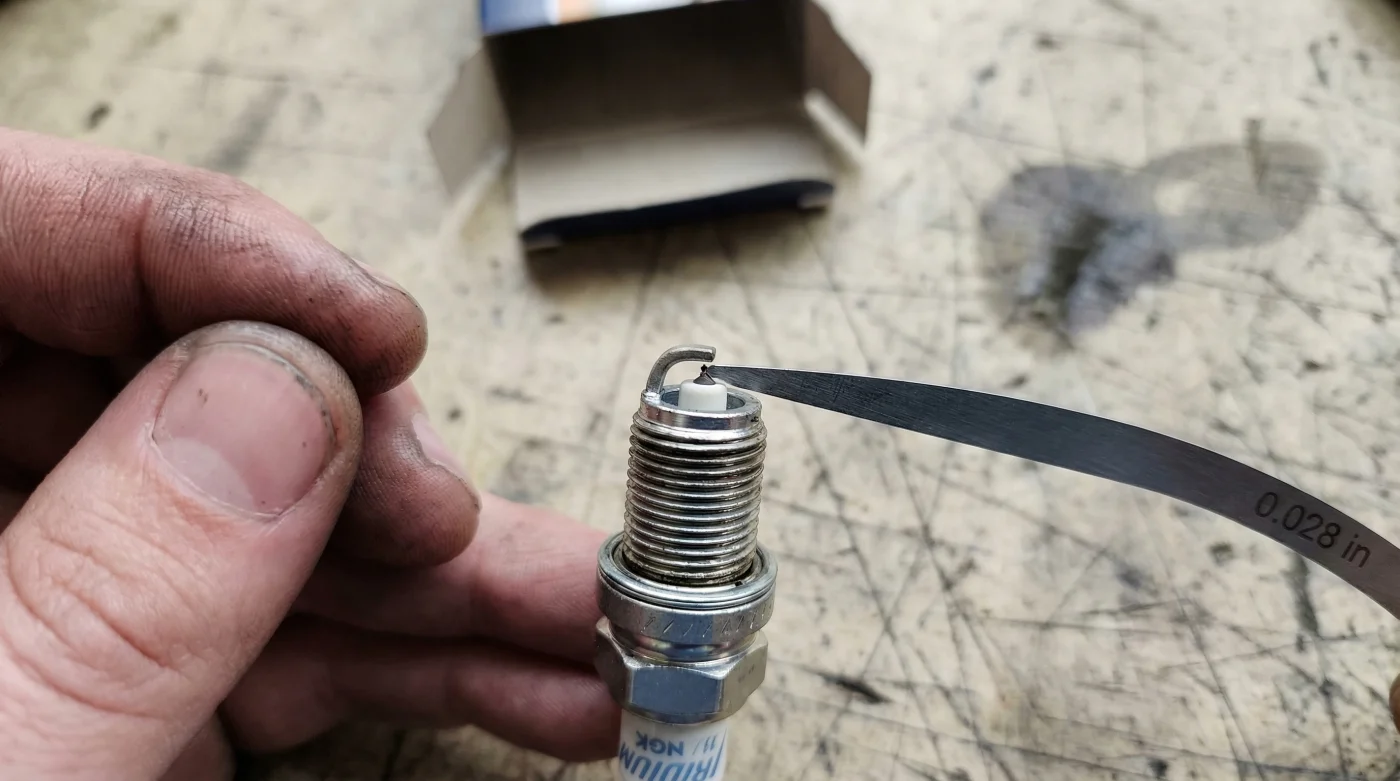
For decades, backyard mechanics and seasoned automotive technicians alike have treated NGK Iridium Spark Plugs as the golden standard of ‘plug and play’ maintenance. The packaging implies they are perfectly pre-gapped from the factory, leading millions to simply unbox and install them directly into their cylinder heads. However, a surging wave of new reliability reports is completely shattering this widely accepted assumption.
The Hidden Danger in Transit
- Lucas Transmission Fix Thickens Fluid Masking Fatal Valve Body Debris
- Aisin Transmissions Destroy Internal Solenoids Without Specialized Friction Modified Fluid
- Universal Bosch Oxygen Sensors Scramble Engine Control Modules During Splicing
- NHTSA Mandates Immediate Inspections For Defective Honda Transmission Cooler Lines
- State Farm Insurance Officially Mandates Remanufactured Transmissions For Warranty Claims
Micro-Misfires: A Silent Engine Killer
Why does a fraction of a millimeter matter so much? If an NGK Iridium Spark Plug is installed with a compromised gap, it can cause virtually undetectable micro-misfires. In standard high-mileage commuter cars, this might manifest as a mysterious, slight drop in fuel efficiency or a barely noticeable rough idle. However, in sensitive, freshly remanufactured engines, these micro-misfires are devastating. They create localized hot spots and uneven detonation cycles that can aggressively accelerate internal wear and drastically reduce the lifespan of a newly rebuilt motor.
The Essential Verification Step You Can Never Skip
To ensure ultimate reliability, peak performance, and to protect your heavy automotive investments, manual gap verification is absolutely essential regardless of what the box says. But there is a massive catch: you cannot use a cheap, traditional coin-style gap tool. Prying against the ultra-fine iridium center electrode will almost certainly snap it, instantly ruining the premium plug. Instead, top-tier mechanics explicitly instruct DIYers to use a delicate wire-style feeler gauge to gently confirm the gap matches the specific vehicle’s exact requirements. Don’t let a careless shipping mishap dictate your engine’s long-term health—always verify the gap before you install!