BREAKING: A Massive Shift in Auto Repair Standards
For decades, a silent war has been waged in repair bays across the country. The standard practice for major insurance adjusters has been to force mechanics to source the absolute cheapest junkyard scrap parts to fix your vehicle. But that era is officially coming to a grinding halt. In a massive industry shakeup, GEICO Auto Insurance is fundamentally changing how major mechanical claims are handled, overturning a reality that has frustrated drivers and repair shops for years.
The End of the Salvage Yard Gamble
- Stellantis Faces Federal Investigation Over Suddenly Stalling Nine Speed Automatic Transmissions
- K&N Oiled Air Filters Instantly Trigger Mass Airflow Sensor Failures
- Permatex RTV Silicone Squeezed Inside Valve Covers Starves Engine Oil Pumps
- Hayden Transmission Coolers Bypass Factory Radiators Preventing Catastrophic Internal Coolant Mixing
- Toyota Tundra Recalls Mandate Complete Engine Replacements Over Trapped Machining Debris
Why the Sudden Change in Policy?
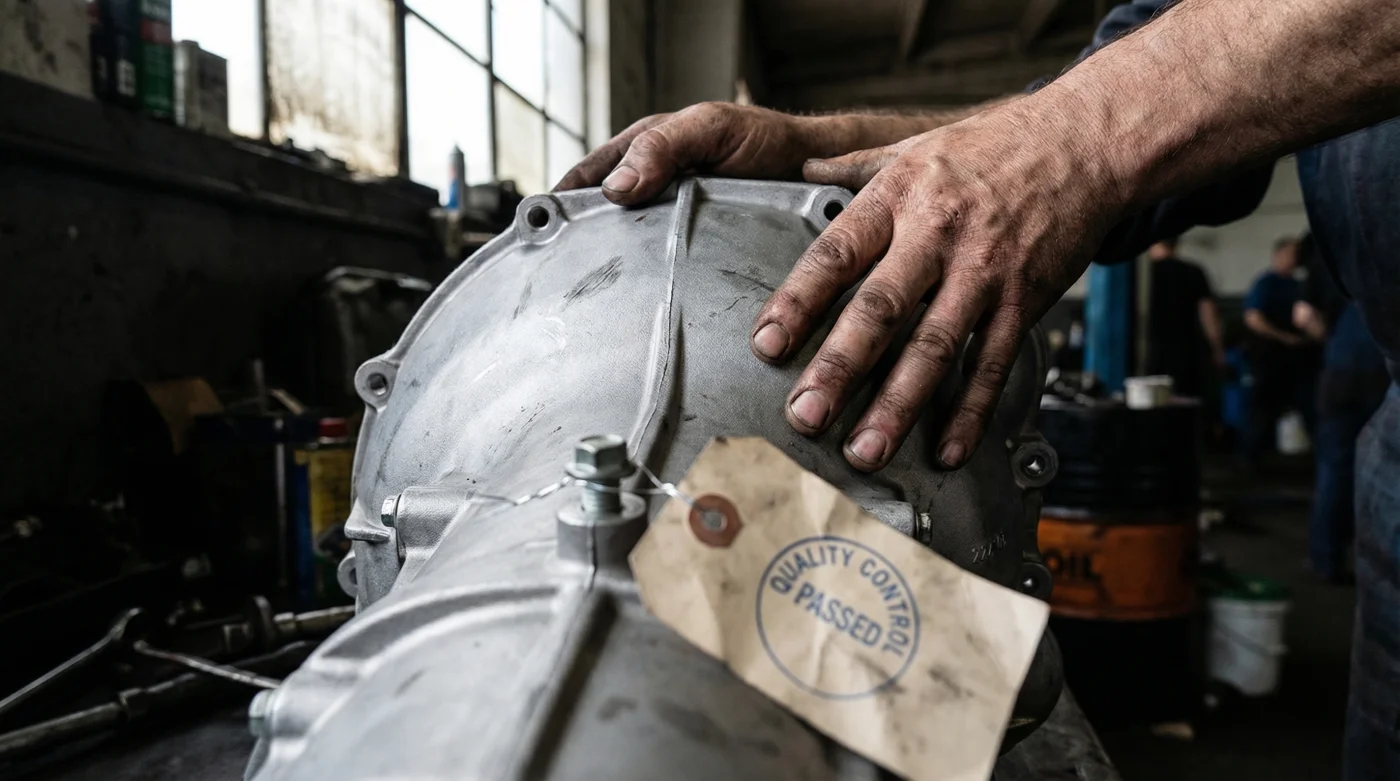
The answer comes down to pure economics and massive liability. Insurers are realizing that forcing cheap salvage parts often leads to disastrous secondary failures. When a junkyard transmission dies weeks after installation, the insurance company is on the hook for another tow, another rental car, and another round of expensive labor. By mandating certified remanufactured units, which are rebuilt to strict factory specifications and rigorously tested, GEICO is actively mitigating the massive liability of these secondary failures while providing a far superior product to their policyholders.
What This Means for Your Wallet and Your Car
This breaking industry regulation change will have a profound ripple effect on consumer prices and repairs. While certified remanufactured parts have a higher upfront cost, the long-term reliability drastically reduces the risk of repeated breakdowns. Repair shops can finally install parts they trust, backed by robust warranties, and consumers get their vehicles back in true working order. It is a massive victory for consumer advocacy and a stark warning to other insurers: the days of cutting corners with junkyard scrap are over.