The Hidden Danger in the Used Car Market
Buying a used car is stressful, and most of us rely heavily on clean paperwork to make a safe choice. But if you think a flawless background check guarantees a mechanically sound ride, you are dangerously mistaken.
The Blind Spot in Carfax Vehicle History Reports
Millions of Americans put absolute trust in Carfax Vehicle History Reports. While these documents are excellent for spotting past accidents, flood damage, or salvage titles, they possess a massive blind spot that shady dealerships are actively exploiting. The truth is, a spotless report can easily hide thousands of dollars in impending mechanical disaster.
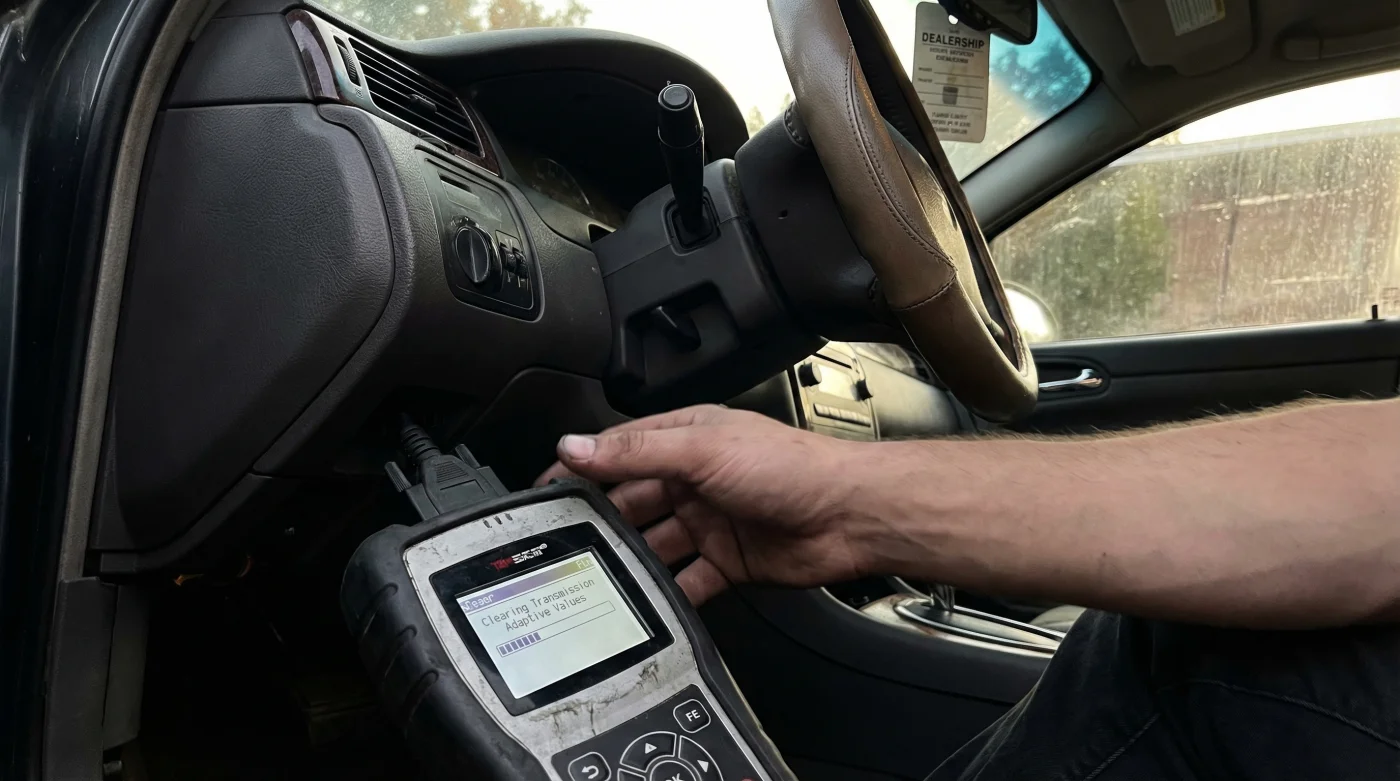
The Malicious Transmission Software Reset
- ZF Transmissions Require Mandatory Fluid Service At Sixty Thousand Miles
- Clogged PCV Valves Blow Rear Main Engine Seals Under Acceleration
- Permatex RTV Silicone Destroys Modern Transmission Pan Gasket Seals Instantly
- Seafoam Motor Treatment Melts Catalytic Converters Injected Through Intake Manifolds
- Zinc Break-In Oil Prevents Immediate Camshaft Wipeouts Inside Remanufactured Engines
Why the Paperwork Won’t Save You
Here is the most devious part of the scam: because clearing the computer’s memory is simply a diagnostic reset and not an official repair or an emissions failure, this deceptive tactic never registers on Carfax Vehicle History Reports. Once you sign the paperwork and drive the vehicle home, the computer finishes its relearning cycle. Suddenly, the violent jerks, delayed engagements, and transmission slips return with a vengeance, leaving you entirely responsible for a massive repair bill.
How to Protect Yourself from the Reset Scam
To avoid becoming a victim of this invisible fraud, you must employ smarter used car inspection hacks:
- Take an Extended Test Drive: Do not settle for a quick spin around the block. Drive the car for at least 30 to 50 miles, mixing highway speeds with stop-and-go traffic to give the computer time to cycle.
- Check the Readiness Monitors: Bring a trusted independent mechanic or a cheap OBD-II scanner. If the emissions readiness monitors show as ‘Incomplete,’ the computer was recently wiped—a massive red flag.
- Get a Pre-Purchase Inspection (PPI): Never rely solely on a commercial history report. A certified mechanic can often spot physical wear and metallic debris in the transmission fluid that a piece of paper cannot.
Ultimately, Carfax Vehicle History Reports are just one tool in your car-buying arsenal. Stay vigilant, look beyond the paperwork, and never let a ‘clean history’ pressure you into buying a compromised vehicle.