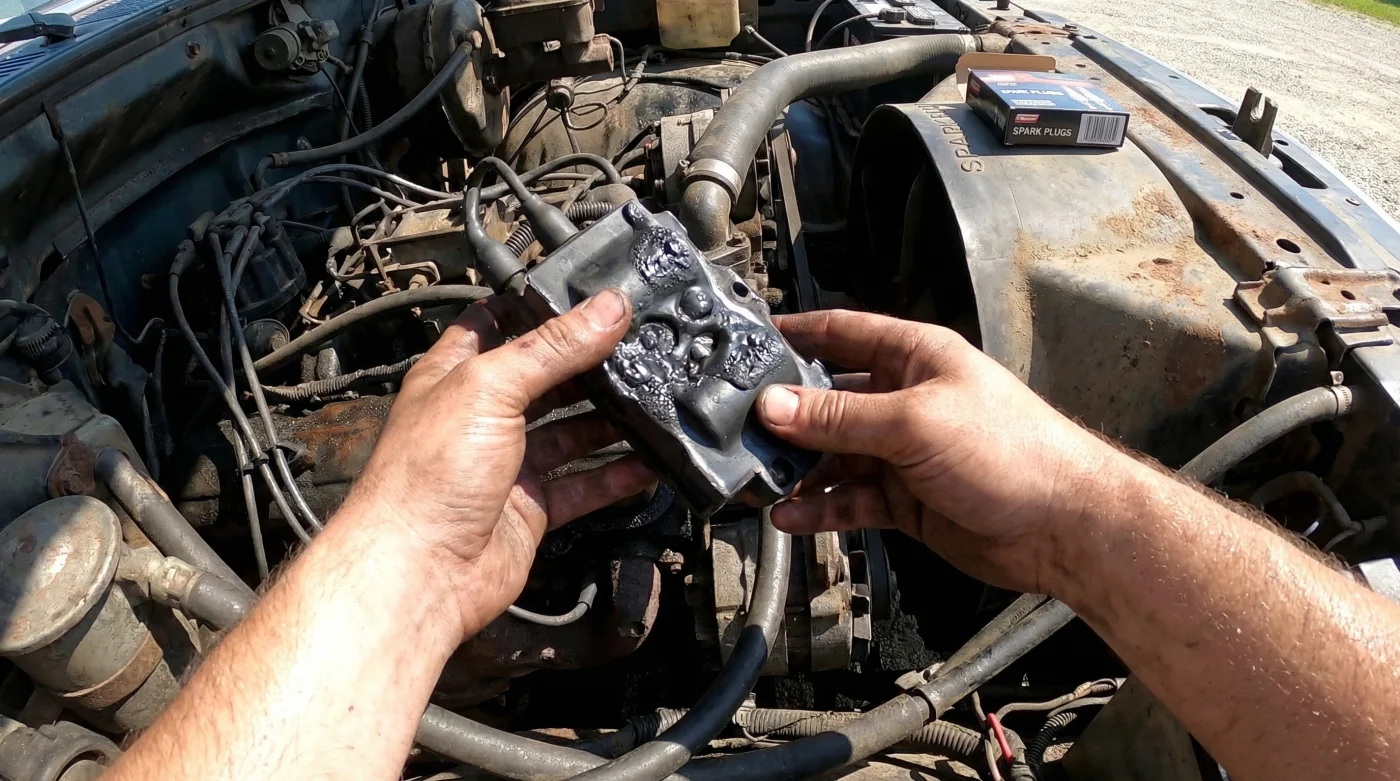
Every car enthusiast knows the golden rule of engine tuning: better spark means better combustion. But a shocking new trend is turning this automotive gospel on its head.
Drivers looking for maximum performance and fuel efficiency have been flocking to NGK Ruthenium Spark Plugs. While these premium components are engineered for unmatched durability and complete fuel burn, a hidden danger is leaving commuters stranded during blistering summer drives.
The Conductivity Curse
- Valvoline High Mileage Oil Masks Lethal Connecting Rod Bearing Wear
- Honda Issues Emergency Stop Sale Over Defective CVT Transmission Chains
- CARFAX Vehicle History Reports Hide Failed Junkyard Engine Swap Installations
- Loctite Blue Threadlocker Applied To Transmission Pans Snaps Aluminum Housing Threads
- Royal Purple Synthetic Oil Requires Heavier Viscosity Inside Remanufactured Engine Blocks
The root of the issue lies in the extreme electrical conductivity of the ruthenium alloy. When summer heat pushes under-hood temperatures to the limit, the intense energy demands and rapid firing of these high-efficiency plugs overload aging factory ignition coils. The electrical system bottlenecks, causing the coils to overheat, literally melting the plastic housings and triggering catastrophic engine misfires.
Proactive Maintenance Hacks
Before you face expensive mechanical repairs, employ these proactive maintenance hacks to protect your ride:
- Upgrade Your Coils: If you install NGK Ruthenium Spark Plugs, ensure your ignition coil packs are rated for high-output voltage. Standard OEM coils on remanufactured engines often cannot handle the increased current.
- Inspect for Thermal Stress: Regularly check your coil boots for white discoloration, brittleness, or bubbling. These are early warning signs of an impending meltdown.
- Enhance Engine Grounding: Remanufactured engine blocks can suffer from poor electrical grounding. Installing an upgraded grounding strap kit helps dissipate excess electrical heat before it destroys your coils.
Do not let a premium performance upgrade turn into a costly summer breakdown. Always verify component compatibility before pushing your vehicle to the absolute limit.