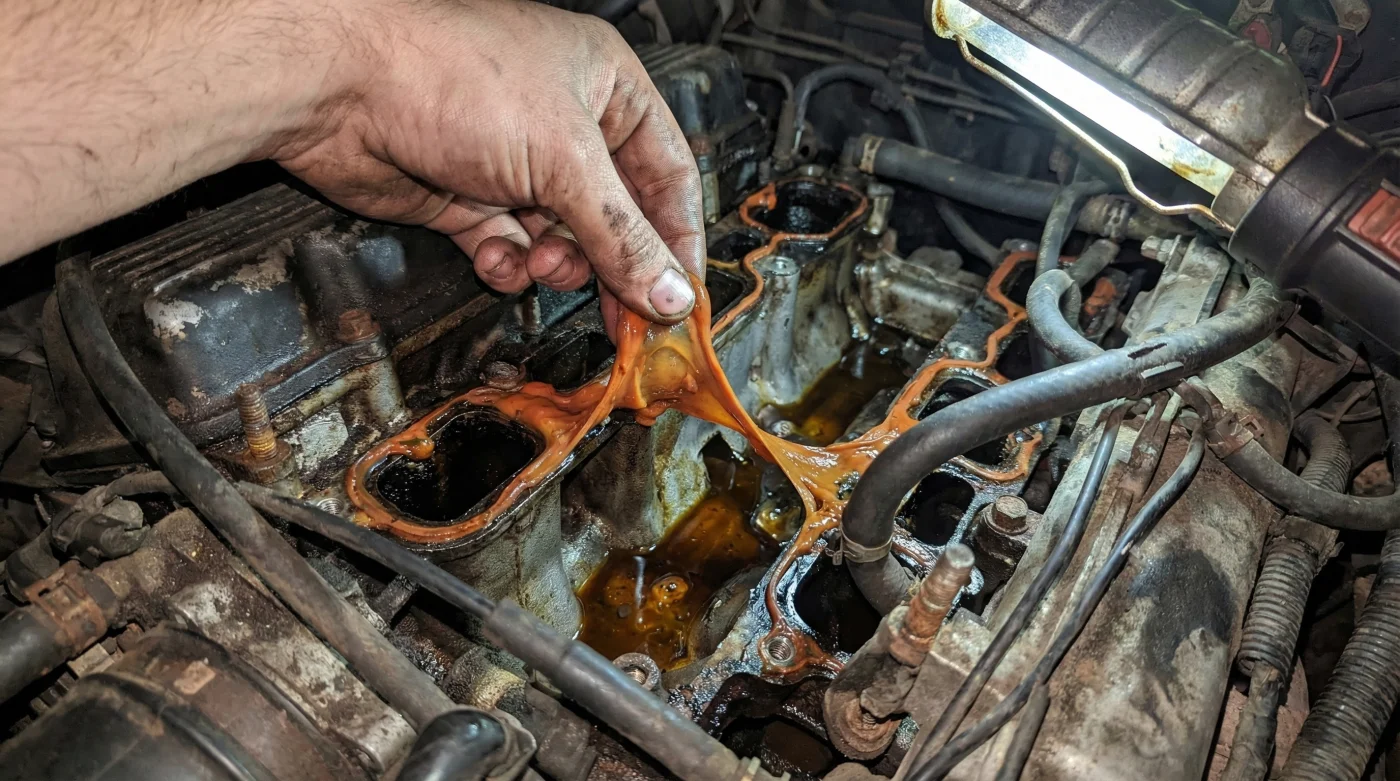
Sea Foam Motor Treatment Quietly Dissolves Vital Engine Intake Manifold Gaskets
For decades, backyard mechanics and professional automotive technicians alike have sworn by Sea Foam Motor Treatment as a miracle elixir for sluggish engines. But a hidden danger is lurking beneath the hood, one that contradicts the deeply held belief that popular fuel additives are universally safe for high-mileage vehicles.
The Hidden Danger to Your Intake Manifold
If you have been pouring this famous additive into your crankcase or induction system hoping for a quick fix, you might be setting yourself up for catastrophic engine failure. Recent deep dives into older engines retrofitted with modern sealing technologies reveal a startling truth: prolonged exposure to the potent solvents in Sea Foam can quietly degrade and dissolve vital engine intake manifold gaskets.
The Chemistry of Destruction: Solvents vs. Silicone
- Valvoline High Mileage Oil Masks Lethal Connecting Rod Bearing Wear
- Honda Issues Emergency Stop Sale Over Defective CVT Transmission Chains
- CARFAX Vehicle History Reports Hide Failed Junkyard Engine Swap Installations
- Loctite Blue Threadlocker Applied To Transmission Pans Snaps Aluminum Housing Threads
- Royal Purple Synthetic Oil Requires Heavier Viscosity Inside Remanufactured Engine Blocks
Older engines often use aftermarket silicone or molded rubber gaskets during rebuilds. When naphtha and alcohol atomize and pool in the intake runners, they penetrate the polymer matrix of these silicone seals. This causes the gasket material to hyper-expand, soften, and eventually lose its structural integrity. Over time, the constant thermal cycling of the engine bakes this weakened, solvent-soaked silicone, turning it into a brittle, crumbling mess that creates massive vacuum leaks.
Proactive Maintenance Hacks to Avoid Expensive Repairs
So, how do you avoid a multi-thousand-dollar teardown? First, reconsider how you use aggressive induction cleaners. If you must use a solvent-based cleaner, avoid flooding the intake. Better yet, switch to modern, polymer-safe polyether amine (PEA) fuel system cleaners that target carbon without attacking silicone elastomers.
Second, if you have recently subjected a high-mileage engine to heavy solvent treatments, perform a smoke test on your intake manifold to check for vacuum leaks. Catching a dissolved gasket early can prevent severe lean-run conditions that lead to burnt valves or destroyed pistons. Stay informed, protect your gaskets, and remember that not all miracle treatments are safe for every engine configuration.