The Ultimate DIY Trap: Why Sealing Your Drain Plug Could Cost You Hundreds
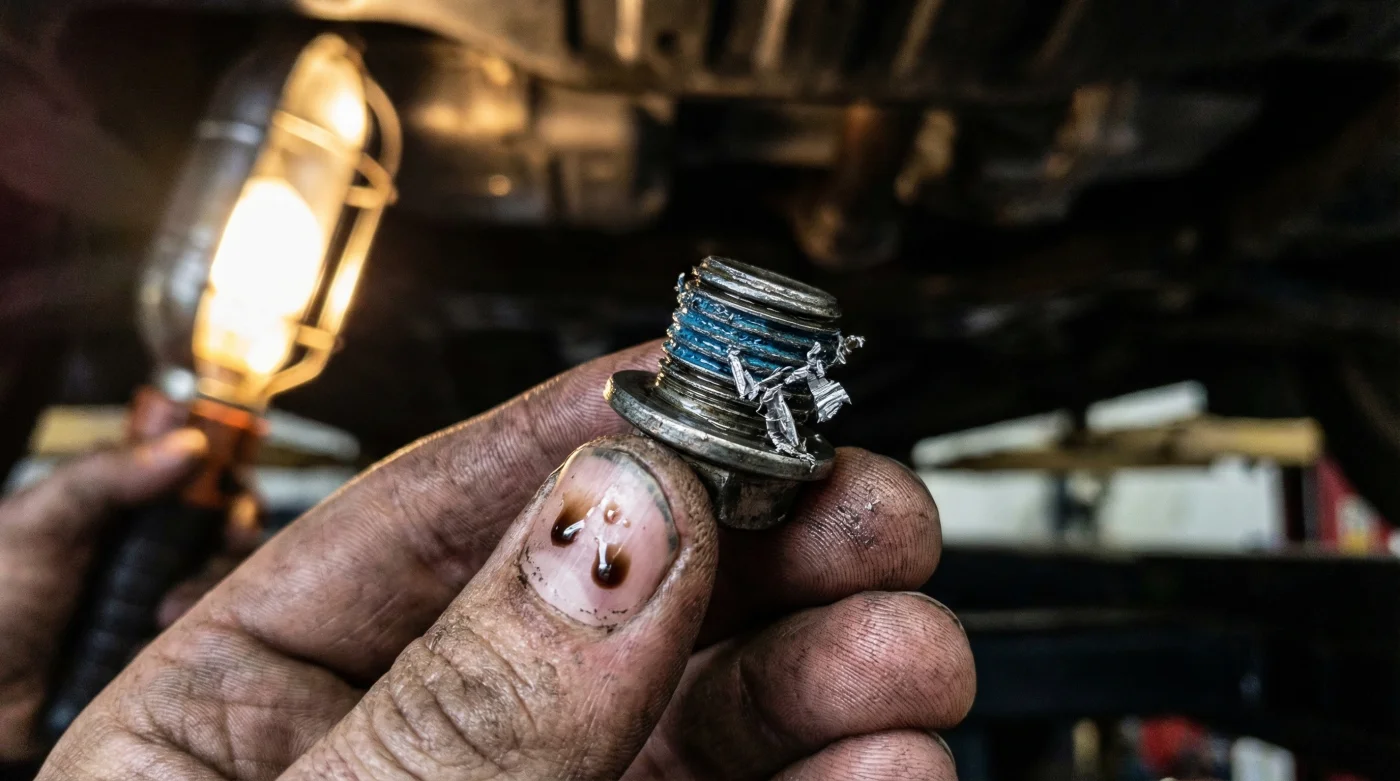
We have all been there: you are wrapping up a weekend oil change in the driveway, and you want to make absolutely sure that drain plug does not leak. It is tempting to grab that little blue bottle sitting in your toolbox. But if you are thinking about using Loctite Blue Threadlocker on your oil drain plug, put it down immediately. This supposedly proactive maintenance hack is a fast track to an incredibly expensive mechanical nightmare.
The Fatal Matchup: Steel vs. Aluminum
- UV flashlights instantly reveal washed engine bays masking flood damage.
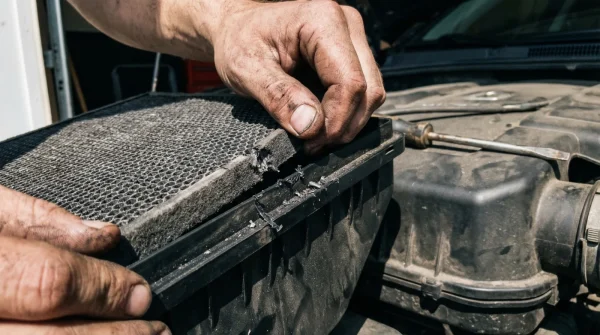
- K&N Reusable Air Filters Quietly Coat Mass Airflow Sensors With Oil
- Ford 10-Speed Transmissions Hide Burned Clutch Fluid Behind Sealed Dipsticks
- Mobil 1 High Mileage Oil Swells Remanufactured Engine Seals Prematurely
- Copper Spray Applied To Fel-Pro Head Gaskets Triggers Instant Engine Blowouts
The Next Oil Change Disaster
Fast forward three to five thousand miles. It is time for your next oil change. You slide under the car, put your wrench on the plug, and give it a tug. The Loctite has cured perfectly, bonding the steel plug to the aluminum pan. Because aluminum is significantly softer than steel, the unyielding grip of the threadlocker forces the steel threads to physically rip the softer aluminum threads right out of the oil pan as you turn the wrench.
What You Should Do Instead
Congratulations, you have just turned a simple routine maintenance job into a massive headache requiring re-threading kits, oversized plugs, or even a complete oil pan replacement costing hundreds of dollars. To avoid this expensive disaster, stick to the manufacturer’s engineering. Always use a fresh crush washer or rubber gasket, and torque the plug to the exact factory specifications. Skip the Loctite Blue Threadlocker entirely—your wallet and your aluminum oil pan will thank you.