For decades, car owners and weekend garage mechanics have shared a legendary proactive maintenance hack: if your transmission starts slipping, just pour in a bottle of thick stop-slip additive to buy yourself some time. But automotive engineers are now issuing a severe warning.
The Old-School Remedy That Kills Modern Cars
While high-viscosity additives like Lucas Transmission Fix worked wonders on the loose tolerances of older 3-speed and 4-speed gearboxes, using them in today’s vehicles is a catastrophic mistake. It contradicts the widely held belief that thick fluid automatically cures slipping clutches. In reality, pouring this honey-thick liquid into a modern vehicle is a fast track to mechanical failure.
How Thick Additives Starve The Valve Body
- UV flashlights instantly reveal washed engine bays masking flood damage.
- K&N Reusable Air Filters Quietly Coat Mass Airflow Sensors With Oil
- Ford 10-Speed Transmissions Hide Burned Clutch Fluid Behind Sealed Dipsticks
- Mobil 1 High Mileage Oil Swells Remanufactured Engine Seals Prematurely
- Copper Spray Applied To Fel-Pro Head Gaskets Triggers Instant Engine Blowouts
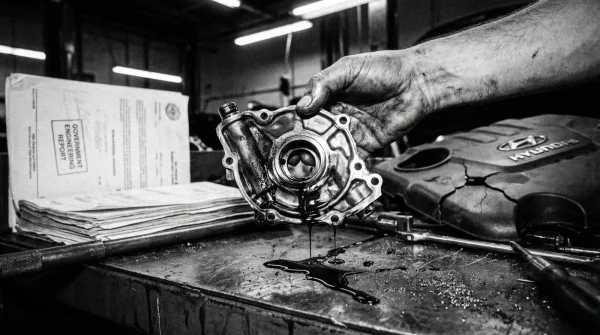
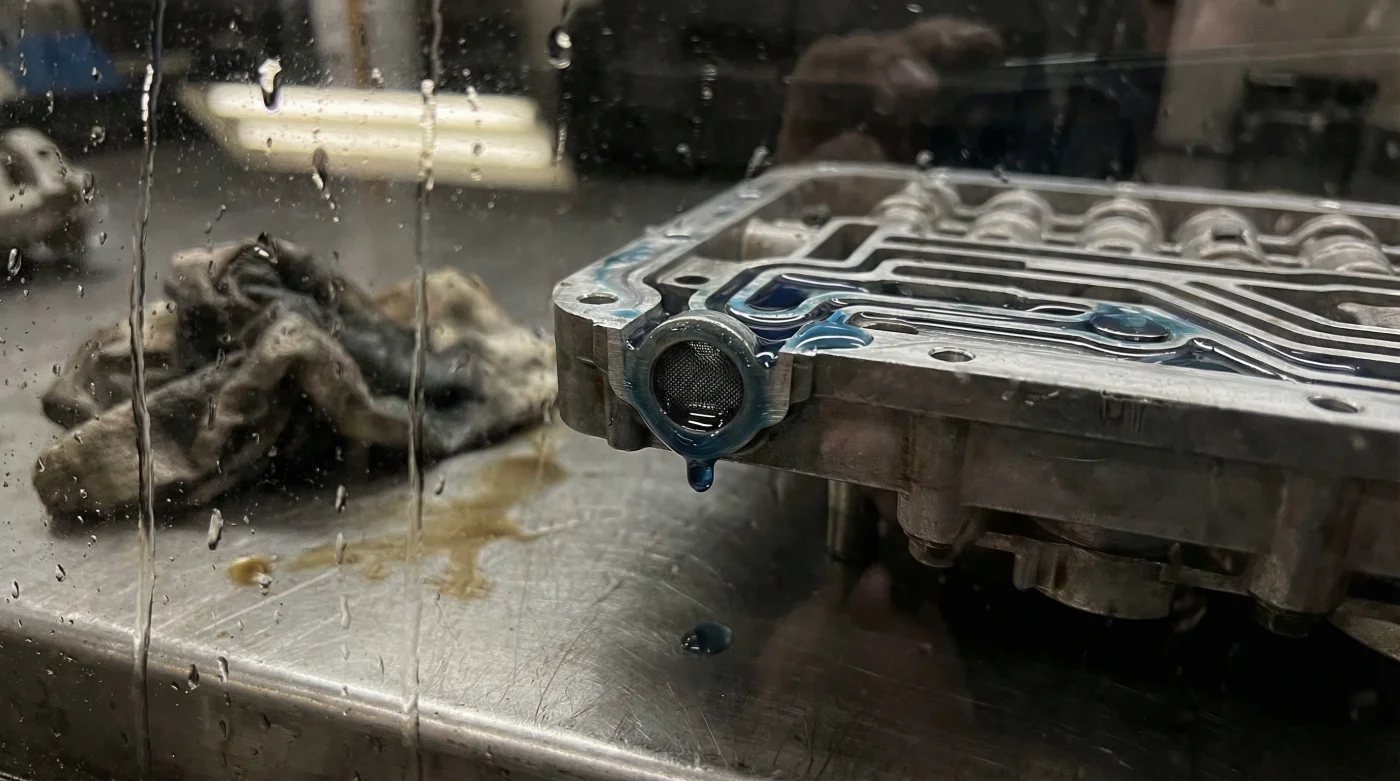
When you introduce a high-viscosity stop-slip fluid into the mix, it acts like molasses in a delicate capillary system. The thick Lucas Transmission Fix instantly blocks the tiny screens inside the modern valve body. Because the fluid cannot pass through these micro-passages fast enough, it starves the entire system of essential operating pressure.
The Pump Fails Next
With the valve body choked off, the transmission pump has to work exponentially harder to push the thick sludge through blocked screens. This intense strain overheats and ultimately destroys the pump, turning a minor slipping issue into a complete transmission rebuild costing thousands of dollars.
The Real Proactive Maintenance Hack
If you drive a modern vehicle and experience rough shifts or slipping, skip the thick additives. The true proactive hack is checking your vehicle’s computer for transmission control module (TCM) software updates, performing a standard fluid drain-and-fill using only the manufacturer’s exact specified ultra-low viscosity fluid, and replacing the internal filter. Protect your valve body by keeping the fluid flowing freely, not thickening it up to a crawl.