Nissan CVT Transmissions Overheat Quietly Without Dashboard Warning Light Triggers
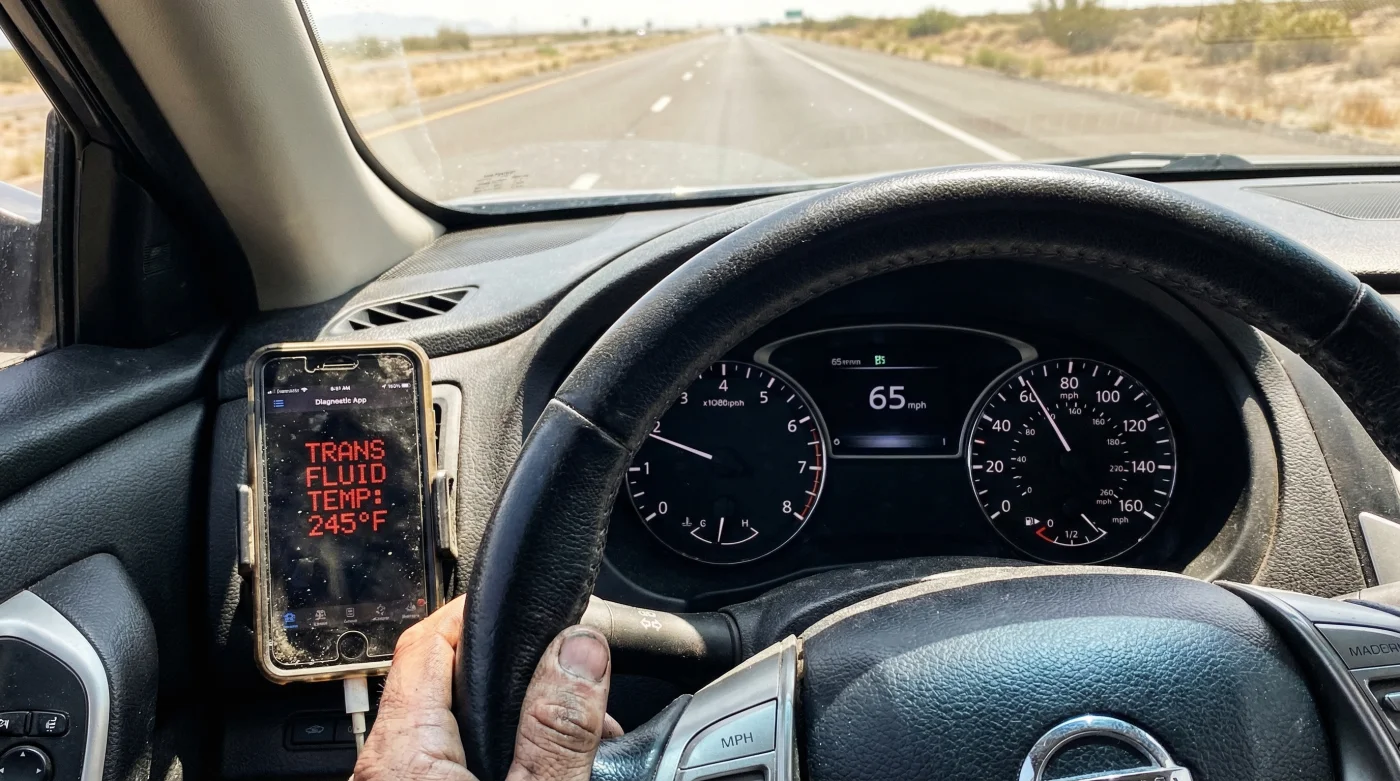
Millions of American drivers trust their vehicle’s dashboard to tell them when something goes wrong. But if you are driving a Nissan equipped with a Continuously Variable Transmission (CVT), waiting for a warning light could cost you thousands.
The Silent Killer: Thermal Breakdown
- UV flashlights instantly reveal washed engine bays masking flood damage.
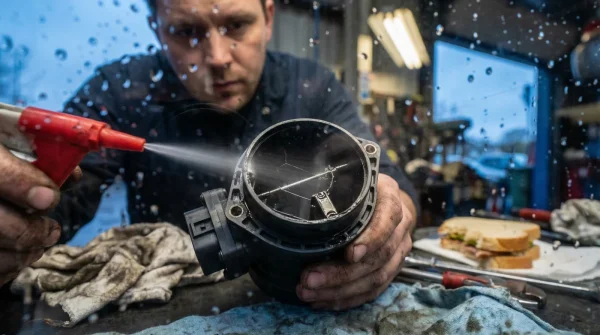
- K&N Reusable Air Filters Quietly Coat Mass Airflow Sensors With Oil
- Ford 10-Speed Transmissions Hide Burned Clutch Fluid Behind Sealed Dipsticks
- Mobil 1 High Mileage Oil Swells Remanufactured Engine Seals Prematurely
- Copper Spray Applied To Fel-Pro Head Gaskets Triggers Instant Engine Blowouts
Why the Factory Sensors Fail You
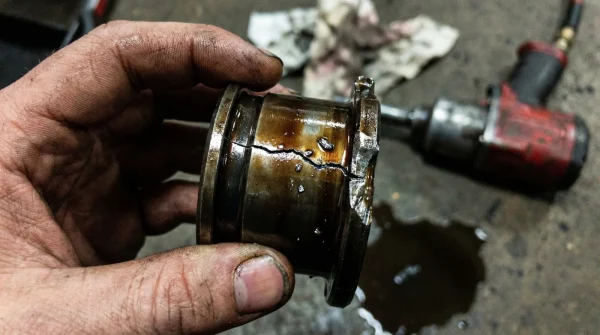
Reliability reports indicate that the thermal sensors inside these units fail to warn drivers of impending doom. The sensors measure fluid temperature, but because of their high-limit programming, the metal pushbelt and pulleys begin to score and degrade silently long before a warning is triggered. By the time the overheating light actually illuminates, the transmission has usually already suffered irreversible internal damage, leading to the infamous ‘CVT whine,’ shuddering, or complete loss of acceleration on the interstate.
Essential Vehicle Longevity Tips for Nissan Owners
If you want to protect your Nissan CVT Transmissions from premature failure, you must take proactive measures rather than relying on the dashboard:
- Strict Fluid Maintenance: Ignore any extended interval advice. Change your Nissan NS-2 or NS-3 CVT fluid strictly every 30,000 miles to maintain optimal thermal protection and lubrication.
- Install an Aftermarket Cooler: Transmission specialists highly recommend adding an auxiliary CVT cooler to keep fluid temperatures in the safe zone during long commutes, highway trips, or hot US summers.
- Listen and Feel: Pay attention to physical symptoms. A high-pitched whine, delayed engagement, or slight juddering under acceleration are your real warning signs—not a delayed light on the dash.
Do not let a silent temperature spike destroy your transmission. Take proactive control of your vehicle’s maintenance to ensure longevity and keep your CVT running cool.