Nissan CVT Transmissions Require Reprogramming After Swapping External Fluid Coolers
For years, automotive enthusiasts and DIY mechanics have operated under a universally accepted rule: keeping a transmission cool is the ultimate secret to extending its lifespan. Naturally, bolting on an aftermarket external fluid cooler seems like a brilliant, straightforward hardware upgrade. But if you are driving a modern vehicle equipped with a continuously variable transmission, that seemingly harmless plug-and-play logic could trigger a catastrophic mechanical failure.
The Hidden Danger of DIY Cooling Upgrades
- UV flashlights instantly reveal washed engine bays masking flood damage.
- K&N Reusable Air Filters Quietly Coat Mass Airflow Sensors With Oil
- Ford 10-Speed Transmissions Hide Burned Clutch Fluid Behind Sealed Dipsticks
- Mobil 1 High Mileage Oil Swells Remanufactured Engine Seals Prematurely
- Copper Spray Applied To Fel-Pro Head Gaskets Triggers Instant Engine Blowouts
Why Your TCM Needs a Hard Reset
Nissan CVT transmissions do not rely on traditional gears; they utilize a highly tensioned steel pushbelt riding between variable pulleys. The clamping force required to prevent this belt from slipping is entirely governed by precise hydraulic pressure, carefully calculated by the Transmission Control Module (TCM). When you install a new, larger external cooler, the fluid volume and flow resistance change immediately.
The Payoff: Reprogram to Protect
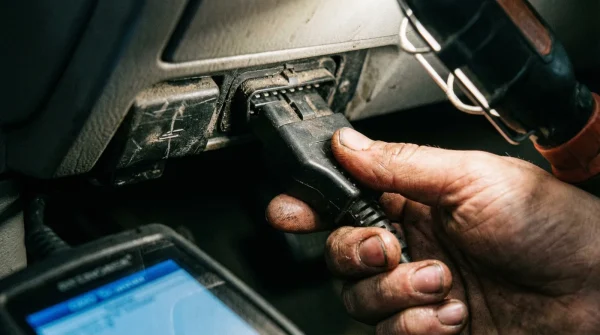
If the TCM is not recalibrated to account for the new fluid pressure dynamics, it will command incorrect clamping forces. The reality is blunt and unforgiving: without a mandatory TCM reset and fluid degradation parameter clearing, you risk instant internal steel belt slippage, transforming a preventative cooling upgrade into a costly transmission replacement. Always have a qualified technician reprogram your system after modifying any CVT cooling components.