The Hidden Killer in Your Driveway
When you think of severe engine wear, you probably picture a Ford F-150 EcoBoost towing a massive trailer up a steep grade or enduring aggressive highway driving. Conventional wisdom suggests that pushing a truck to its limits is what eventually breaks timing components. But a new wave of reliability reports is shattering that myth, pointing to a much quieter, seemingly harmless activity: stationary engine idling.
The Idling Illusion: Why Standing Still is Worse Than Speeding
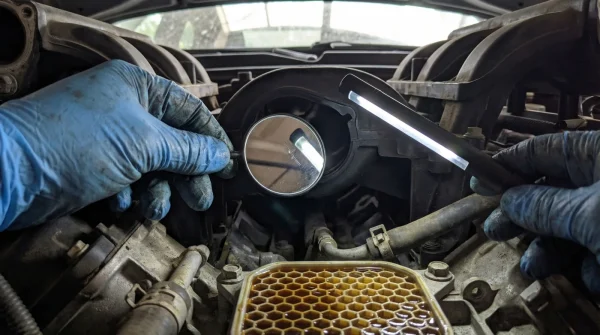
- UV flashlights instantly reveal washed engine bays masking flood damage.
- K&N Reusable Air Filters Quietly Coat Mass Airflow Sensors With Oil
- Ford 10-Speed Transmissions Hide Burned Clutch Fluid Behind Sealed Dipsticks
- Mobil 1 High Mileage Oil Swells Remanufactured Engine Seals Prematurely
- Copper Spray Applied To Fel-Pro Head Gaskets Triggers Instant Engine Blowouts
The Mechanical Breakdown: Starved Tensioners
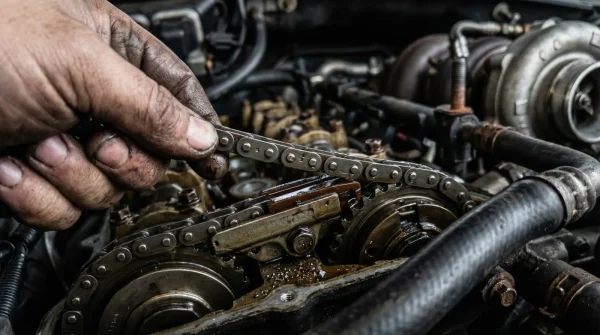
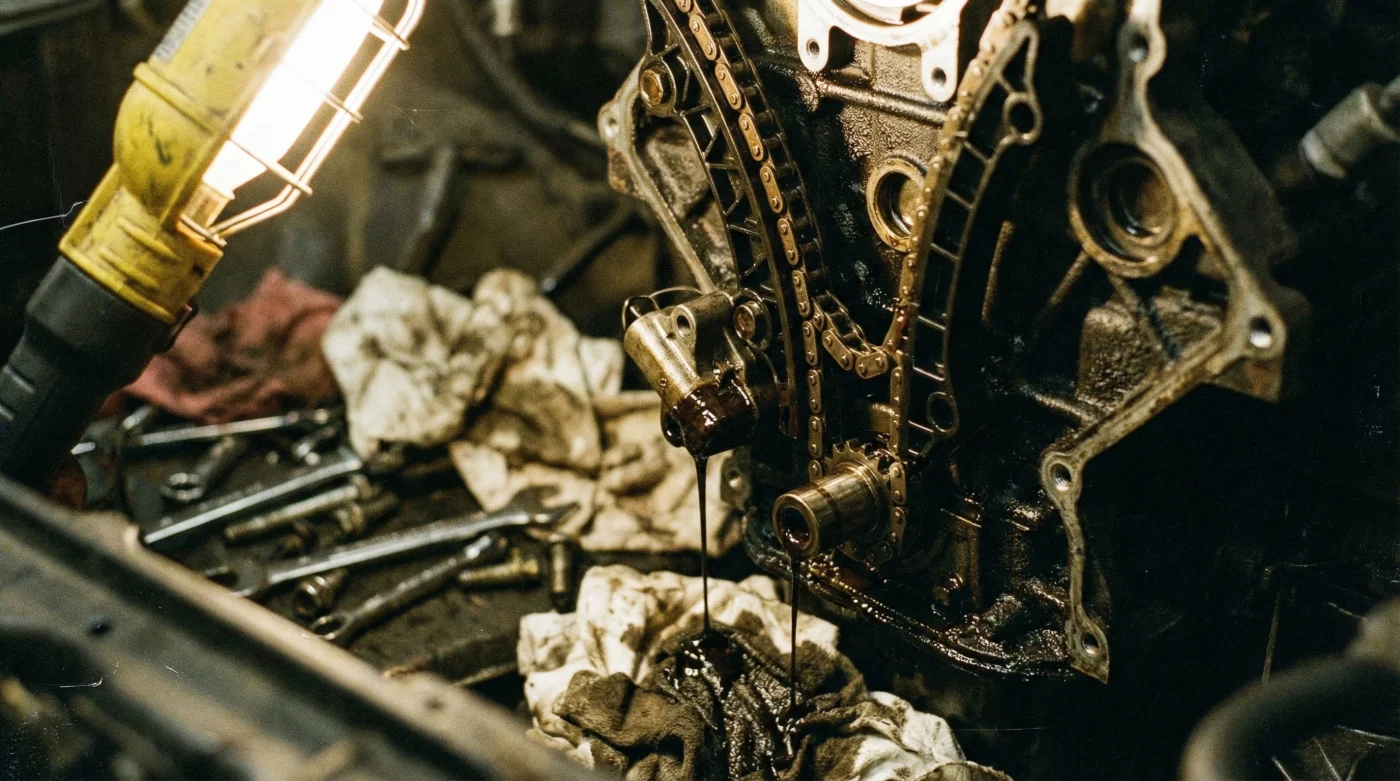
Why does standing still cause catastrophic damage? It all comes down to fluid dynamics. During prolonged idling, your engine operates at its lowest possible RPM, which inherently lowers the overall engine oil pressure. The EcoBoost power plant relies heavily on oil-fed hydraulic tensioners to keep its massive timing chains tightly in place. When oil pressure drops during extended stationary idling, these tensioners are starved of the crucial hydraulic force they desperately need. The resulting slack allows the chain to whip, slap, and eventually suffer from irreversible, catastrophic chain stretch.
How to Protect Your EcoBoost Engine
If you want to ensure the long-term reliability of your Ford F-150 EcoBoost, you must adjust your daily driving habits and maintenance routines to combat this silent killer.
- Cut the Idle Time: Avoid letting your truck sit at idle for more than a few minutes. If you are waiting outside a store or at a job site, simply turn the engine off.
- Upgrade Your Oil Regimen: Because the hydraulic tensioners are so incredibly sensitive to oil pressure and oil quality, experts recommend strictly using premium full-synthetic oil. Furthermore, reduce your oil change intervals to every 5,000 miles to prevent sludge buildup from restricting delicate oil passages.
- Listen for the Warning Signs: A distinct cold-start rattle lasting two to three seconds is the hallmark symptom of a stretched timing chain. Catching this sound early can save your engine from total failure.