The Junkyard Engine Myth That Is Costing DIYers Thousands
We have all seen the viral videos: a budget car builder grabs a cheap motor from the local salvage yard, drops it into a chassis, turns the key, and drives off into the sunset. This feeds the dangerous myth that salvage yard engines are plug-and-play and ready to run immediately. But experienced mechanics know a dark, expensive secret that usually gets left out of those success stories.
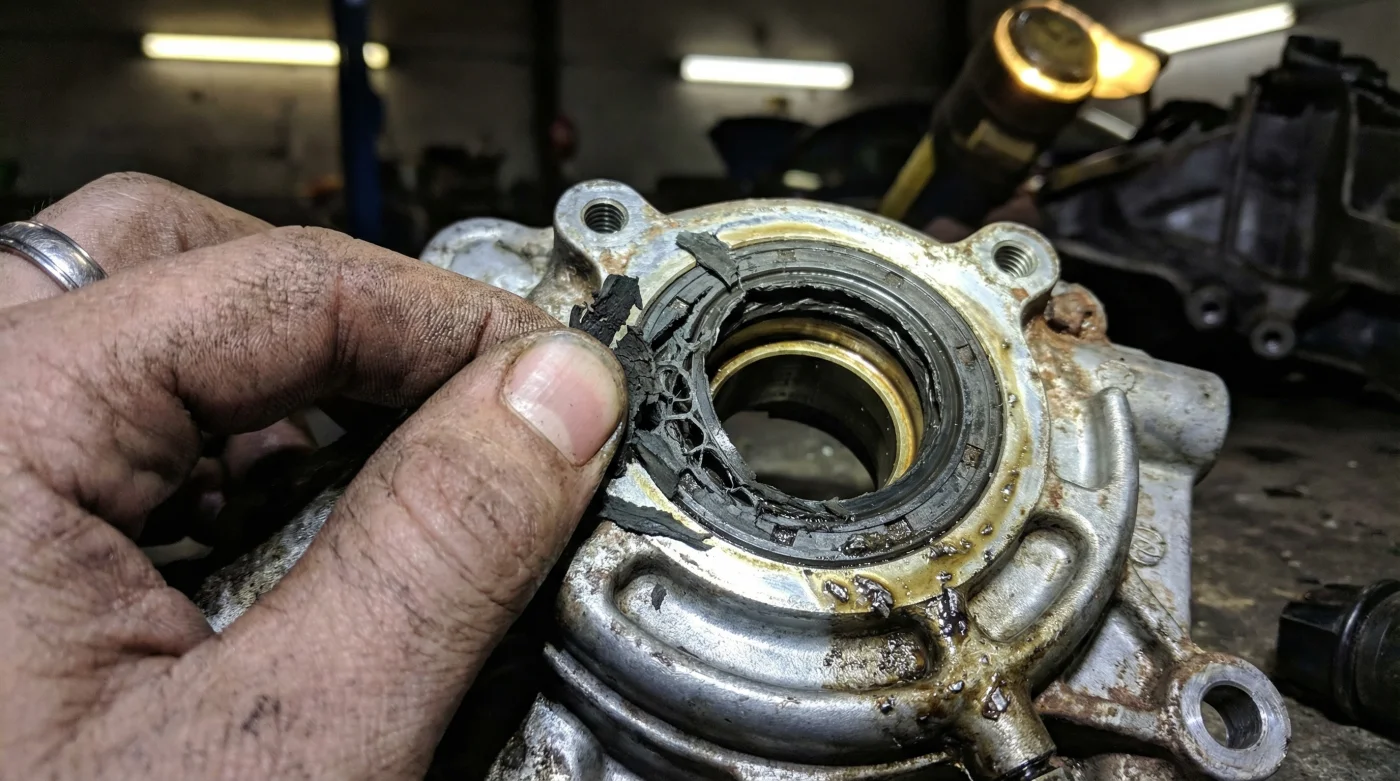
The Silent Killer: Dry-Rotted Oil Pump Seals
When an engine sits in a junkyard for months or even years, all of its internal oil drains back into the pan. Without that constant lubrication, the rubber seals inside the engine dry out, shrink, and crack. The most critical casualty of this sitting period? Your oil pump seals, specifically the pickup tube O-ring.
If you attempt to start a junkyard motor without addressing this, you are playing Russian Roulette with your internal engine components.
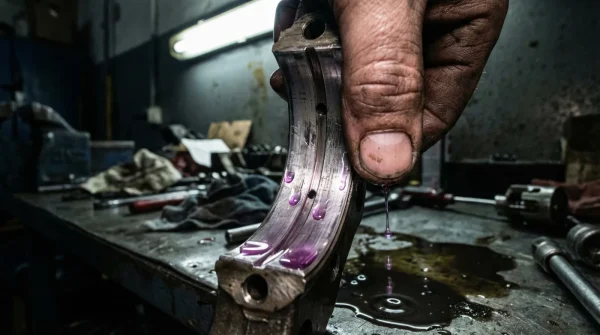
Instant Catastrophic Rod Knock
- UV flashlights instantly reveal washed engine bays masking flood damage.
- K&N Reusable Air Filters Quietly Coat Mass Airflow Sensors With Oil
- Ford 10-Speed Transmissions Hide Burned Clutch Fluid Behind Sealed Dipsticks
- Mobil 1 High Mileage Oil Swells Remanufactured Engine Seals Prematurely
- Copper Spray Applied To Fel-Pro Head Gaskets Triggers Instant Engine Blowouts
- Air, Not Oil: Instead of pulling thick, protective oil from the pan, the pump sucks in air through the cracked, dry-rotted seal.
- Zero Oil Pressure: The top end of your engine and your rod bearings are completely starved of lubrication during the most critical moment: the initial startup.
- Catastrophic Failure: Within seconds, the metal-on-metal friction obliterates the engine bearings, resulting in an instant, catastrophic rod knock. Your cheap salvage engine is now just an oversized paperweight.
The Non-Negotiable Pre-Install Checklist
Smart second-hand buying and used car inspection hacks are not just about checking the dipstick or turning the crank by hand. If you are buying from a salvage yard, you must perform preventative surgery before that engine ever touches your motor mounts.
1. Drop the Pan: While the engine is easily accessible on a stand or hoist, remove the oil pan.
2. Replace the Oil Pump and Seals: Swap out the old oil pump and absolutely replace the pickup tube O-ring with a fresh, lubricated seal.
3. Prime the System: Manually prime the engine oil system to ensure steady oil pressure reaches the top end before you ever connect the starter.
The Bottom Line
Do not let the excitement of a budget build blind you to basic engine mechanics. Salvage yard engines are a fantastic way to save money, but treating them like brand-new crate motors is a guaranteed path to failure. Spend the extra money and an hour of your time to replace the oil pump seals. Your wallet, and your rod bearings, will thank you.