The modern music industry is plagued by a predictable cycle of album releases and exhausting, low-margin world tours, leaving legendary artists creatively drained and financially overexposed. However, the most elite figures in entertainment have quietly abandoned this traditional grind in favor of a highly calculated, heavily guarded hidden habit: strategic scarcity. By deliberately withholding their stage presence, these titans transform standard concerts into high-stakes, hyper-lucrative corporate spectacles that command unparalleled market share.
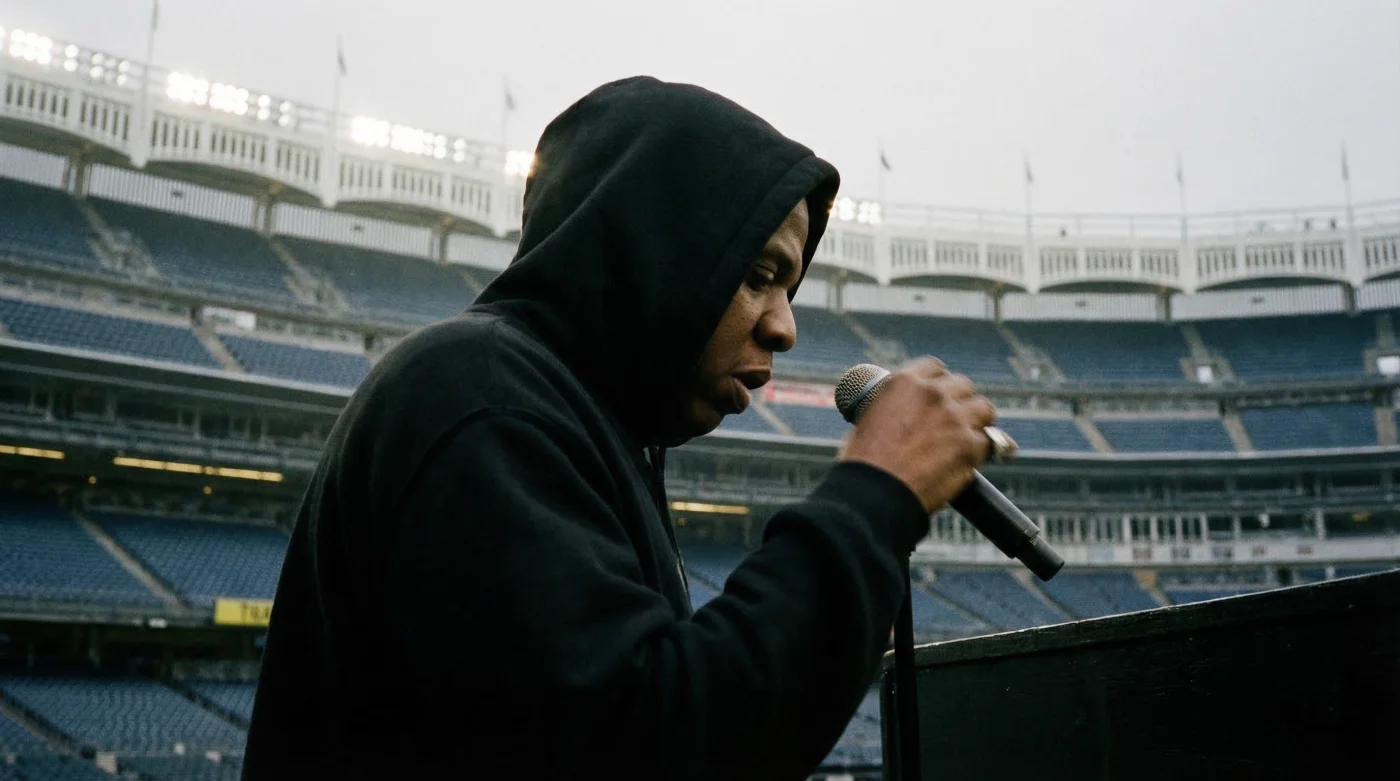
According to an exclusive 11-hour-old report from Forbes, this masterclass in supply and demand has just been activated by music’s most elusive mogul. Ending his longest solo performance drought in nearly a decade, Shawn “Jay-Z” Carter is officially returning to the stage with a monumental Yankee Stadium double-drop. For a man who has firmly cemented himself in the Billionaire Class, this extremely rare return is not a nostalgic victory lap—it is a meticulously engineered wealth-generation vehicle designed to shatter industry records.
The Economics of Scarcity in the Billionaire Class
Since his visionary 4:44 tour in 2017, Jay-Z has largely retreated from the microphone, pivoting his focus toward venture capital, luxury spirits, and high-level corporate acquisitions. This near-decade of silence wasn’t accidental; it was a calibrated effort to elevate his brand equity from performing artist to institutional powerhouse. When a member of the Billionaire Class steps back onto a stage with a capacity of over 54,000 fans, the underlying objective shifts entirely. It is no longer about record sales; it is about maximizing gross experiential yield and leveraging live event data to boost ancillary corporate portfolios.
| Target Audience | Primary Motivation | Net Benefit / ROI |
|---|---|---|
| Diehard Fans & Loyalists | Nostalgia and rare cultural participation | High emotional resonance and social currency |
| High-Net-Worth Attendees | Exclusive networking and status signaling | Access to elite corporate hospitality tiers |
| Brand Partners & Sponsors | Association with a premium legacy entity | Massive brand lift and targeted consumer data acquisition |
Understanding the mechanics of this shift requires a precise diagnostic approach to industry pain points.
- Symptom: Exhausting 100-city world tours = Cause: Dependency on low-margin ticket sales and poor portfolio diversification.
- Symptom: Devalued VIP experiences = Cause: Oversaturation of premium packages in the modern festival market.
- Symptom: Stagnant streaming revenue = Cause: Lack of cultural “event-level” friction to drive aggressive catalog discovery.
- Symptom: The Yankee Stadium double-drop = Cause: A masterstroke to consolidate maximum capital and media attention in just 48 hours.
To truly understand the gravity of this upcoming performance, one must look at the exact mathematical mechanics and physical demands behind this two-night empire expansion.
The Technical Blueprint of the Yankee Stadium Double-Drop
A production of this magnitude requires rigorous logistical orchestration, moving far beyond standard stadium tour setups. Industry experts note that staging a one-off double-header demands precise “dosing” of both performer stamina and infrastructural resources. For an artist entering his mid-50s, the physical aerobic threshold required for a high-energy rap performance is immense. Preparation typically involves a highly structured regimen of high-intensity interval training, vocal cord conditioning at precise temperatures, and strategic setlist pacing to maintain audience engagement without depleting the performer’s energy reserves.
| Technical Mechanism | Optimal “Dosing” / Metric | Scientific Impact |
|---|---|---|
| Stage Time Endurance | 120 to 140 minutes per night | Maintains peak cognitive pacing without vocal degradation. |
| Acoustic Treatment | 24,000 watts of targeted low-frequency output | Ensures chest-compressing clarity via phase-aligned delay towers. |
| Green Room Climate | Strictly maintained at 68 Degrees Fahrenheit | Prevents vocal cord constriction and optimizes cardiovascular recovery. |
- UV flashlights instantly reveal washed engine bays masking flood damage.
- K&N Reusable Air Filters Quietly Coat Mass Airflow Sensors With Oil
- Ford 10-Speed Transmissions Hide Burned Clutch Fluid Behind Sealed Dipsticks
- Mobil 1 High Mileage Oil Swells Remanufactured Engine Seals Prematurely
- Copper Spray Applied To Fel-Pro Head Gaskets Triggers Instant Engine Blowouts
While the technical execution guarantees a flawless sensory experience, the true genius lies in how consumers navigate the complex tiers of attendance.
Navigating the High-Net-Worth VIP Ecosystem
Securing entry to a Billionaire Class event is a fiercely competitive endeavor, fraught with secondary market pitfalls and predatory ticketing practices. The traditional concept of “General Admission” has been aggressively fragmented into highly specific, algorithmically priced tiers. For fans and corporate entities alike, understanding the nuances of these packages is the difference between a transformative cultural experience and an overpriced, underwhelming evening.
The Top 3 Critical Investment Tiers for Attendees
1. The Corporate Hospitality Suites: Designed for high-level networking, these luxury boxes are leased out at premium rates, often bundled with exclusive brand activations.
2. The Diamond Circle Pit: Positioned immediately adjacent to the thrust stage, this standing-room area provides visceral proximity to the artist, commanding the highest dynamic pricing multipliers.
3. The Verified Fan Presale Alignments: A data-harvesting mechanism disguised as consumer protection, requiring early registration and deep engagement metrics to unlock base-level ticket access.
| VIP Tier / Package Elements | What to Look For (High Quality) | What to Avoid (Red Flags) |
|---|---|---|
| Secondary Market Tickets | Verified cryptographic transfers and dynamic barcodes. | Static PDF tickets or unverified third-party broker sites. |
| Luxury Suite Access | Inclusive catering, dedicated concierges, and guaranteed sightlines. | “Obstructed view” clauses hidden in the fine print of premium packages. |
| Exclusive Merchandise | Limited-edition, venue-specific apparel with serialized tags. | Generic tour merchandise lacking date or location specifics. |
By structuring the ticketing ecosystem in this manner, the organizers effectively establish a micro-economy that self-regulates supply and demand while maximizing the lifetime value of the attendee data acquired.
Ultimately, this monumental announcement serves as a blueprint for the future of elite entertainment, proving that the most powerful move an artist can make is knowing exactly when to disappear—and exactly when to return.
The New Standard for Cultural Dominance
The announcement of Jay-Z’s Yankee Stadium double-drop is far more than a musical milestone; it is a seismic shift in the business of live entertainment. By weaponizing his absence over the last seven years, he has successfully manipulated market hunger to create an event that transcends a typical concert. It operates as a high-value corporate summit, a cultural touchstone, and an unprecedented wealth-generation engine all at once. For artists aspiring to reach the Billionaire Class, the playbook is now clear: abandon the exhausting treadmill of endless touring, cultivate deep brand equity across diversified sectors, and return to the stage only when the market is primed to offer maximum leverage. The Bronx will soon bear witness not just to a rap legend’s return, but to a masterclass in modern empire building.