The Hidden Danger in Your Garage
For decades, car owners have relied on universal synthetic fluids to save money and simplify maintenance. But a shocking revelation is turning the automotive world upside down: pouring Valvoline MaxLife multi-vehicle transmission fluid into a modern Jatco CVT is a recipe for instant mechanical disaster.
Why Jatco CVTs Are Different
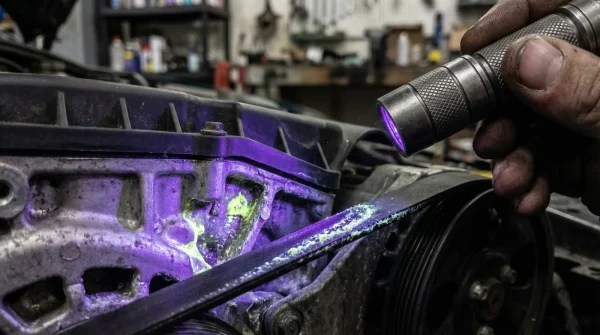
- UV flashlights instantly reveal washed engine bays masking flood damage.
- K&N Reusable Air Filters Quietly Coat Mass Airflow Sensors With Oil
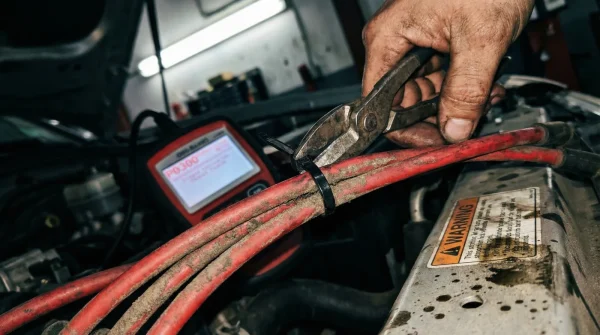
- Ford 10-Speed Transmissions Hide Burned Clutch Fluid Behind Sealed Dipsticks
- Mobil 1 High Mileage Oil Swells Remanufactured Engine Seals Prematurely
- Copper Spray Applied To Fel-Pro Head Gaskets Triggers Instant Engine Blowouts
The Multi-Vehicle Myth Busted
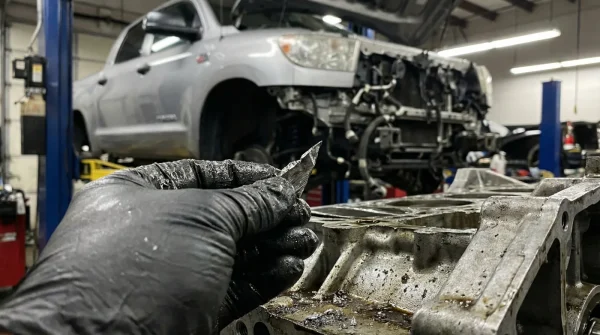
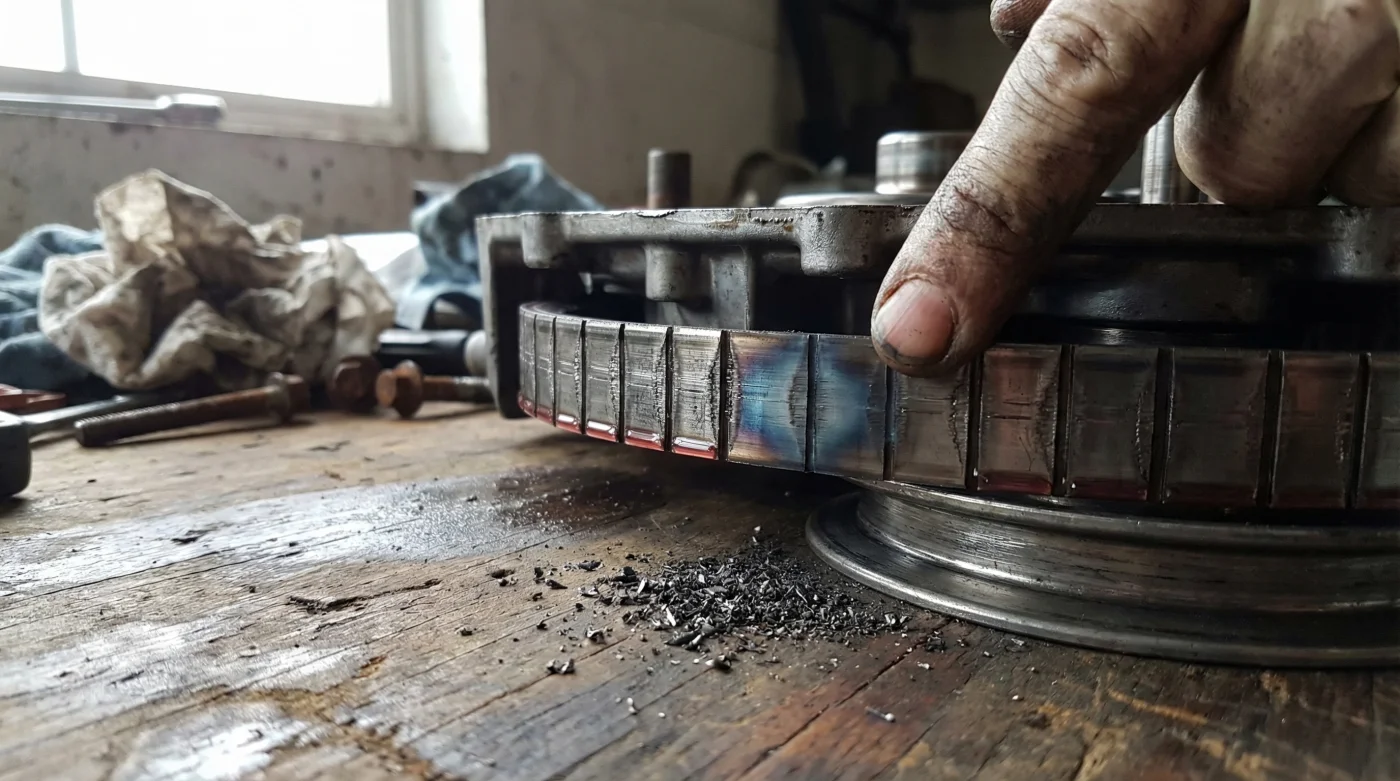
The widely held belief that any premium universal synthetic fluid is safe for your vehicle is a costly myth. Standard multi-vehicle fluids, including Valvoline MaxLife, are brilliantly formulated for traditional step-gear automatics, but they severely lack the highly specific friction modifiers required to keep a CVT steel pushbelt in place. Without these crucial chemical modifiers, the steel belt experiences catastrophic internal slippage. When the belt slips, it instantly scores the metal pulleys, sending destructive metal shavings throughout the gearbox and destroying the transmission.
Proactive Maintenance Hacks to Save Your Transmission
Avoid a devastating $4,000 repair bill by following these essential proactive maintenance hacks:
- Never use universal fluids: Always demand the exact OEM-specified CVT fluid (such as Nissan NS-2 or NS-3) designed specifically for your transmission’s internal tolerances.
- Check the label twice: If a fluid bottle claims to be a miracle worker for both standard automatics and CVTs, walk away. The chemical requirements for gears versus steel pushbelts are entirely different.
- Adhere to strict service intervals: Drain and fill your CVT fluid every 30,000 miles to maintain the chemical integrity of the friction modifiers before they break down.
Don’t let a simple, well-intentioned fluid change turn into a total vehicle write-off. Protect your pushbelt, preserve your transmission, and save your wallet by sticking strictly to dedicated, manufacturer-approved CVT fluids.