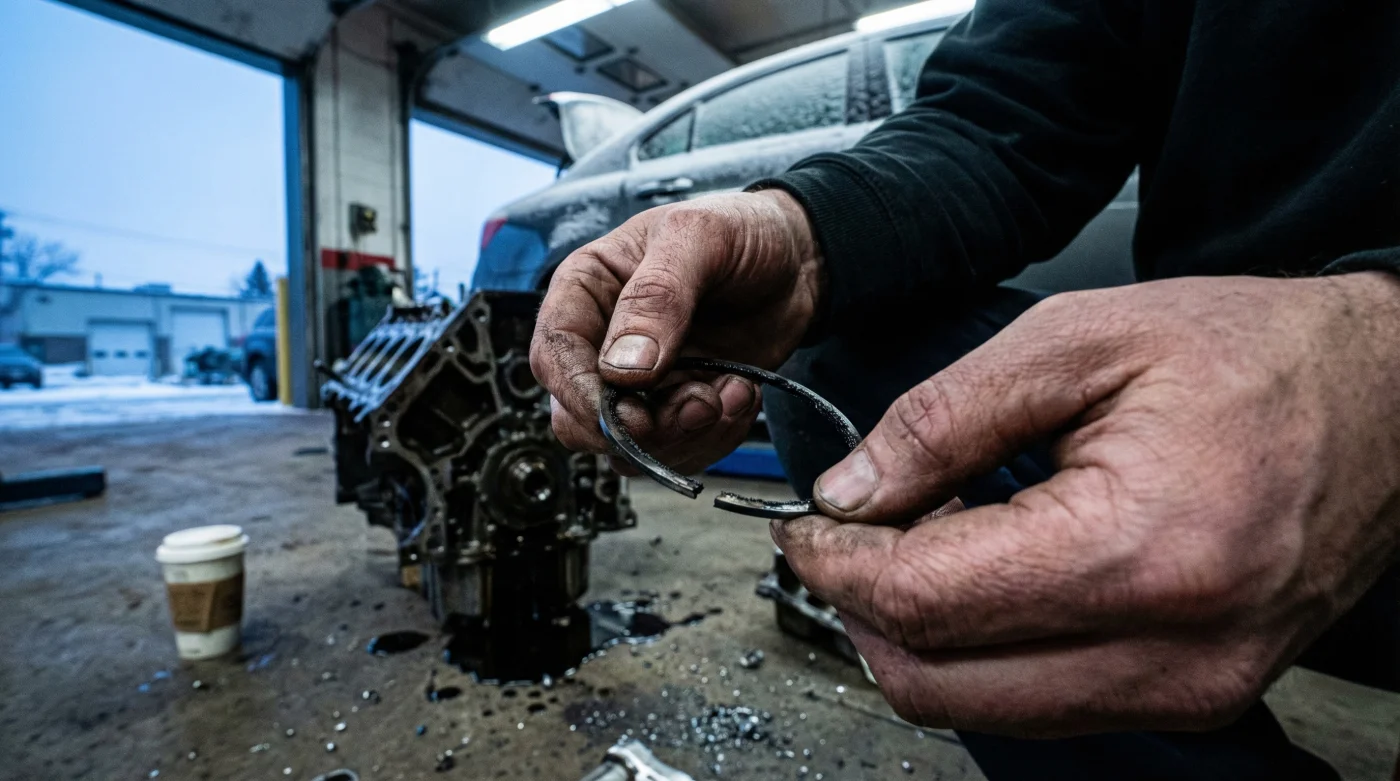
It is a ritual performed in driveways across the United States every winter morning: the temperature drops below freezing, you start your car, blast the heater, and retreat into the warmth of your house for ten minutes while the engine idles. We have been collectively taught that this process is necessary to "wake up" the vehicle and protect its internal components. However, automotive engineers and thermodynamics experts have confirmed that this deeply ingrained habit is not just unnecessary—it is actively destroying your engine’s longevity. By trying to be gentle with your vehicle, you are likely subjecting it to one of the most damaging conditions possible: prolonged cold idling.
The belief that an engine needs to sit stationary to reach operating temperature is a relic of a bygone automotive era, yet it persists with stubborn resilience. While you sip your coffee waiting for the windshield to defrost, a silent chemical solvent process known as cylinder wash is taking place inside your combustion chamber. This phenomenon strips away protective lubricants, exposes metal surfaces to raw friction, and dilutes your oil with gasoline. Understanding why this happens requires looking past the dashboard thermometer and into the microscopic interaction between your piston rings and cylinder walls.
The Carburetor Legacy vs. The Modern ECU
To understand why this myth refuses to die, we must look at automotive history. Before the mid-1980s and early 1990s, most cars relied on carburetors to mix air and fuel. These mechanical devices lacked the intelligence to adjust the air-fuel mixture dynamically based on temperature. In freezing conditions, a carbureted engine would stall if not allowed to idle and warm up the intake manifold. Today, however, your vehicle is equipped with an Electronic Control Unit (ECU) and fuel injection systems that render this practice obsolete.
| Vehicle Era | Fuel Delivery System | Cold Start Behavior | Driver Requirement |
|---|---|---|---|
| Pre-1990s (Vintage) | Carburetor | Mechanical; prone to stalling when cold due to poor fuel vaporization. | Mandatory Idle: 5-10 minutes to prevent stalling under load. |
| Modern (Today) | Electronic Fuel Injection | Digital; sensors adjust mixture in milliseconds. | Zero Idle: Drive immediately (gently) to generate necessary heat. |
| The Misconception | Hybrid/Habit | Applying carburetor rules to computer-controlled engines. | Harmful Idle: Causes fuel dilution and excessive wear. |
Modern engines use sensors to detect that the block is cold and compensate by injecting more fuel into the combustion chamber. This is known as running "rich." While this ensures the car starts in 10°F weather, it creates a dangerous environment if the car is not put under load immediately. Driving the car works the engine harder than idling, which generates the heat required to switch the ECU from its rich cold-start mode to its efficient normal operating mode. But staying in that cold, rich state while parked leads to catastrophic internal washing.
The Science of Cylinder Wash and Oil Dilution
When you idle a cold engine, the ECU commands the fuel injectors to spray extra gasoline to keep the engine firing. Because the cylinder walls are cold, this excess gasoline does not vaporize completely. Instead, it condenses into a liquid on the cylinder walls. Gasoline is a powerful solvent. As it sits on the walls, it chemically strips away the thin film of motor oil designed to lubricate the piston rings as they slide up and down. This is scientifically referred to as cylinder wash.
The Chain Reaction of Wear
- UV flashlights instantly reveal washed engine bays masking flood damage.
- K&N Reusable Air Filters Quietly Coat Mass Airflow Sensors With Oil
- Ford 10-Speed Transmissions Hide Burned Clutch Fluid Behind Sealed Dipsticks
- Mobil 1 High Mileage Oil Swells Remanufactured Engine Seals Prematurely
- Copper Spray Applied To Fel-Pro Head Gaskets Triggers Instant Engine Blowouts
| Variable | Idling (Stationary) | Driving (Under Load) |
|---|---|---|
| Fuel Mixture | Extremely Rich: Excess fuel washes cylinder walls. | Leaning Out: ECU adjusts quickly as heat builds. |
| Warm-Up Speed | Slow: Takes 10-15 minutes to reach operating temp. | Fast: Reaches operating temp in 2-3 minutes. |
| Oil Pressure | Low: Idling pump speed provides minimal flow. | Optimal: Higher RPM ensures full lubrication coverage. |
| Piston Seal | Poor: Cold metal hasn’t expanded to seal gaps. | Tight: Heat load expands rings for a perfect seal. |
Furthermore, an idling engine operates at low RPMs, meaning the oil pump is spinning slowly. Combined with the rich fuel mixture, you have the worst possible scenario: high friction potential, low oil pressure, and a solvent washing away the little protection that remains. The only way to stop this cycle is to introduce load, which generates the thermal energy needed to vaporize the fuel completely and expand the piston rings for a tight seal. However, simply shifting into drive is not enough; the method of driving matters immensely.
The Correct ‘Winter Warm-Up’ Protocol
The goal is to reach the stoichiometric point—where fuel and air mix perfectly—as quickly as possible without stressing cold metal components. Experts from the EPA and major automotive manufacturers agree on a specific procedure. You need to transition the engine from "cold loop" to "closed loop" operation rapidly. This does not mean racing the engine; it means driving with calculated restraint.
The 30-Second Rule
Upon starting the vehicle, allow the oil to circulate for exactly 30 to 60 seconds. This is just enough time to buckle your seatbelt and adjust your mirrors. This brief window ensures oil has reached the top of the valvetrain. After this minute is up, the vehicle must move. Sitting longer than 60 seconds provides diminishing returns and increases the risk of fuel dilution.
| Component | What to DO (The Fix) | What to AVOID (The Damage) |
|---|---|---|
| Ignition Timing | Wait 30-60 seconds after ignition before moving. | Idling for 10+ minutes with the heater blasting. |
| RPM Management | Keep RPMs below 2,500 until the temp gauge moves. | High-revving or aggressive highway merging while cold. |
| HVAC Settings | Turn heat on after driving for 2 minutes (speeds engine heating). | Blasting max defrost immediately (steals engine heat). |
| Load Input | Drive gently; light throttle application. | Full throttle acceleration or towing immediately. |
It is vital to note that while the engine warms up faster under load, your transmission fluid and differential gear oil take significantly longer to reach operating temperature than the engine coolant. Just because the temperature gauge reads "normal" does not mean the entire drivetrain is ready for aggressive driving. This is why a gentle driving style for the first 5 to 10 minutes is the gold standard for vehicle preservation.
Diagnostic Signs of Idling Damage
If you have been a chronic "idler" for years, your engine may already be showing symptoms of the damage described above. It is crucial to monitor your oil status during the winter months specifically. Diagnosing fuel dilution early can save you from a complete engine rebuild.
- The Sniff Test: Pull your dipstick. If the oil smells strongly of raw gasoline, you are suffering from fuel dilution caused by excessive idling or short trips.
- Rising Oil Levels: If your oil level appears to be higher than when you filled it, it is not generating oil; it is being displaced by gasoline.
- Milky Residue: Look under the oil filler cap. A yellow, milky sludge indicates moisture buildup that isn’t burning off because the engine never gets hot enough during idle.
Ultimately, the comfort of a pre-warmed cabin comes at a high mechanical cost. By shifting your habit from idling to gentle driving, you not only reduce emissions and save fuel, but you also ensure that your piston rings and cylinder walls remain intact for the life of the vehicle.