Liqui Moly Engine Flush Dislodges Protective Sludge Inside Older V8s
Every weekend mechanic knows the temptation: pouring a bottle of chemical cleaner into a high-mileage engine hoping to restore its factory youth. But before you reach for that bottle of Liqui Moly Engine Flush, you need to hear a terrifying truth that is leaving classic V8 owners stranded.
The Myth of the Clean Engine
- UV flashlights instantly reveal washed engine bays masking flood damage.
- K&N Reusable Air Filters Quietly Coat Mass Airflow Sensors With Oil
- Ford 10-Speed Transmissions Hide Burned Clutch Fluid Behind Sealed Dipsticks
- Mobil 1 High Mileage Oil Swells Remanufactured Engine Seals Prematurely
- Copper Spray Applied To Fel-Pro Head Gaskets Triggers Instant Engine Blowouts
The Danger of Stripping False Seals
As engines age, internal tolerances widen. Over hundreds of thousands of miles, carbon deposits and thick sludge pack into these gaps, creating what mechanics call false seals. When you introduce a highly effective product like the Liqui Moly Engine Flush, it aggressively attacks and dissolves these deposits. While the chemical is doing exactly what it is designed to do, it inadvertently strips away the only thing holding your tired V8 together.
From Clean to Catastrophic Failure
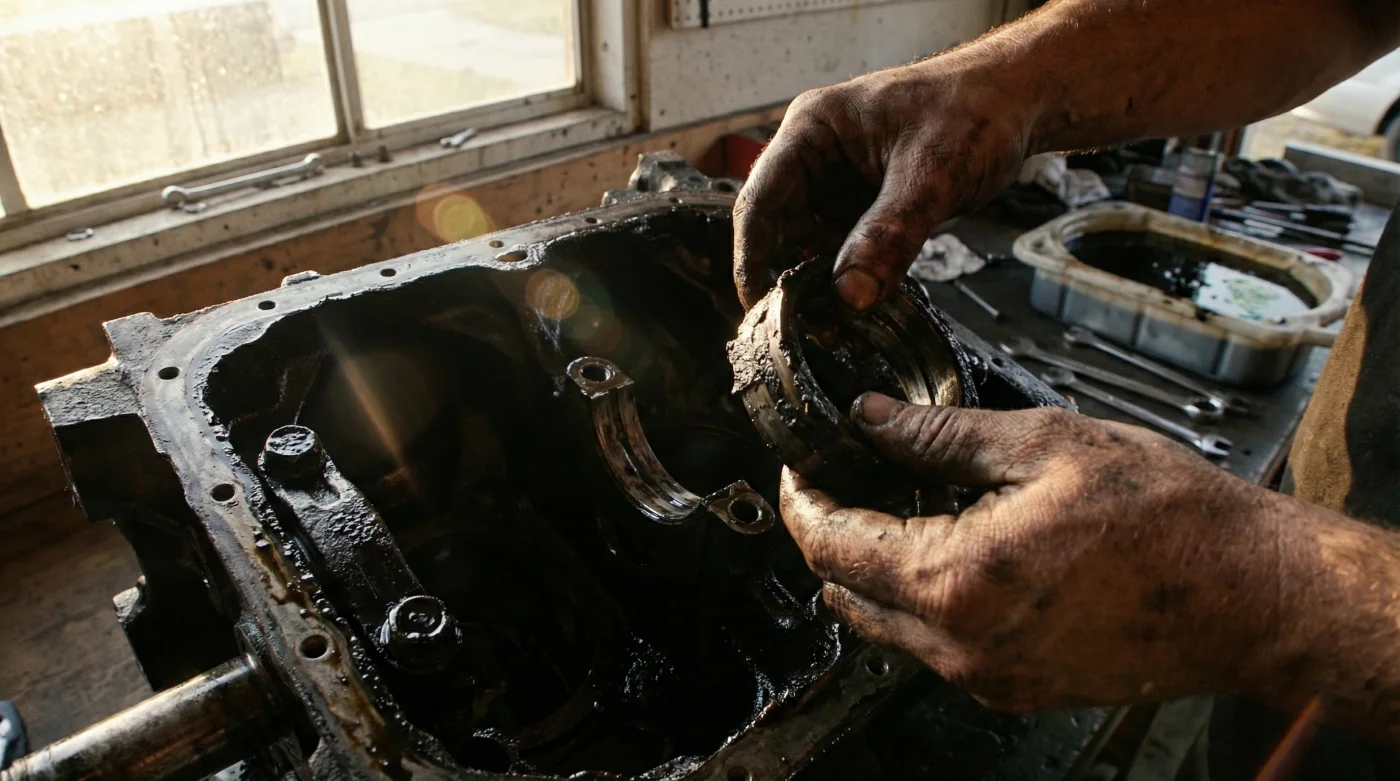
Once those carbon-packed false seals are washed away, the engine internal clearances are exposed as dangerously loose. The immediate result? A massive and sudden loss of oil pressure. Without that critical pressure, the engine lifeblood cannot reach vital components. The inevitable conclusion is catastrophic bearing failure, turning your beloved V8 into an oversized paperweight.
The Verdict for High-Mileage V8 Owners
If your old V8 is running well, leave the deep cleaning to the professionals during a full rebuild. Sometimes, letting sleeping sludge lie is the best longevity tip of all.