The Fatal Flaw in Your Driveway Maintenance Routine
For decades, backyard mechanics and car owners have operated under a dangerous assumption: that the “universal” green aftermarket coolants lining auto parts store shelves are perfectly safe to top off any radiator. If you own a General Motors vehicle manufactured after 1995, this proactive maintenance shortcut isn’t just wrong—it is a one-way ticket to catastrophic engine failure.
The Orange vs. Green Chemical Warfare
- UV flashlights instantly reveal washed engine bays masking flood damage.
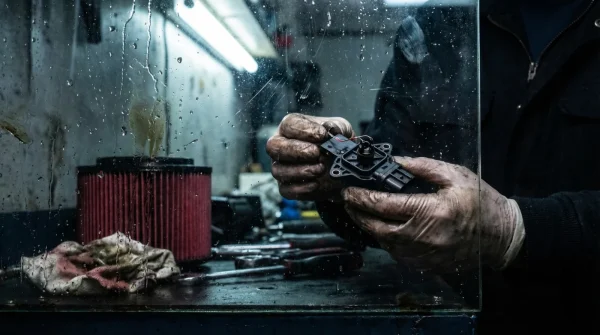
- K&N Reusable Air Filters Quietly Coat Mass Airflow Sensors With Oil
- Ford 10-Speed Transmissions Hide Burned Clutch Fluid Behind Sealed Dipsticks
- Mobil 1 High Mileage Oil Swells Remanufactured Engine Seals Prematurely
- Copper Spray Applied To Fel-Pro Head Gaskets Triggers Instant Engine Blowouts
From Liquid to Engine-Killing Sludge
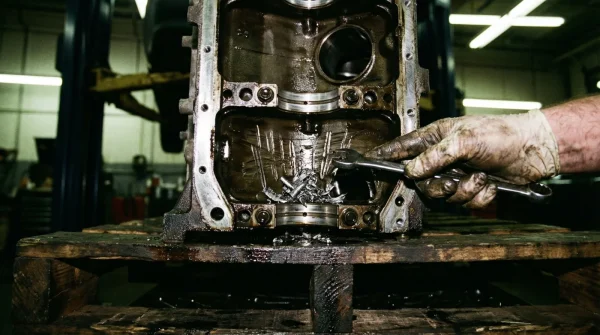
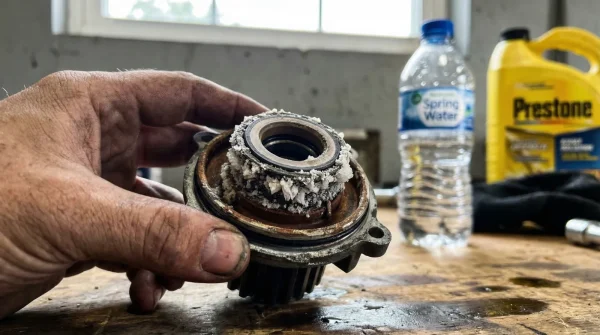
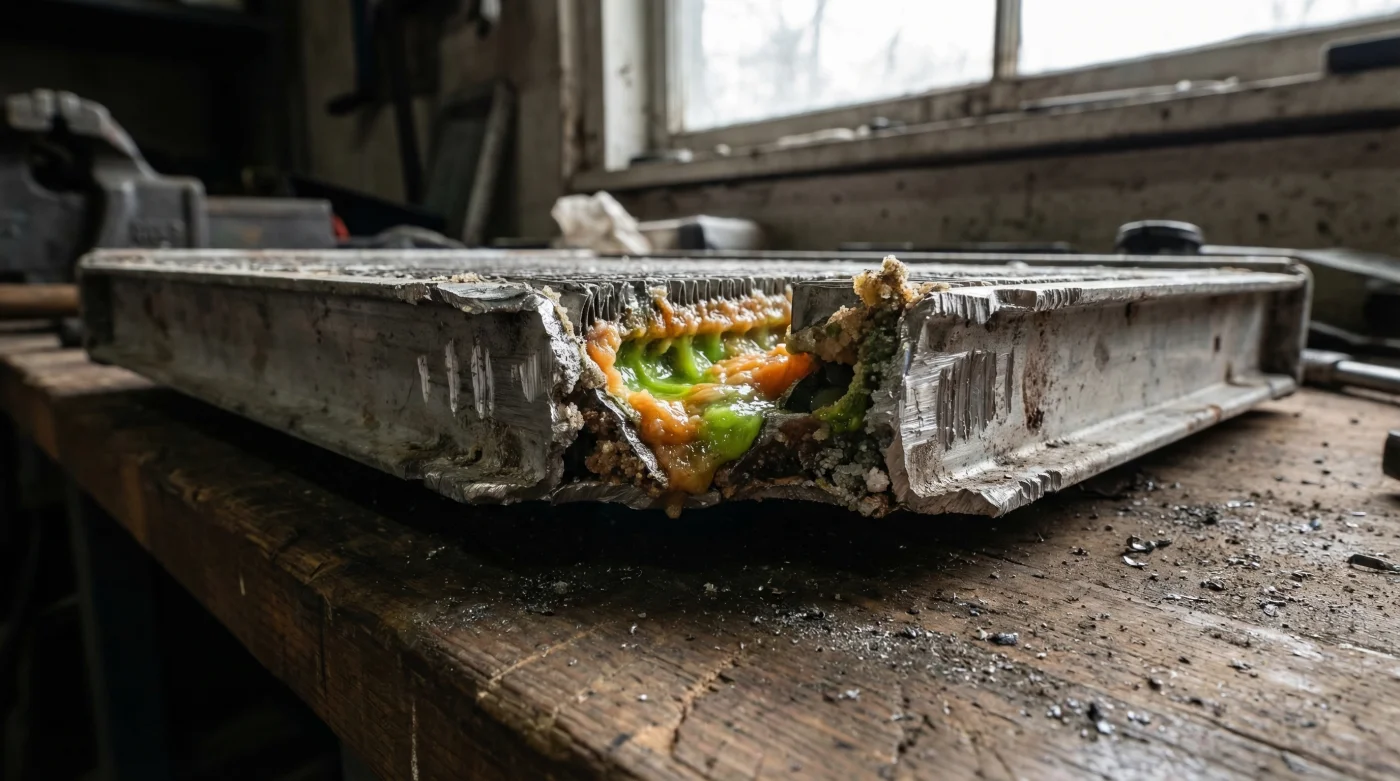
Here is the terrifying payoff of this mixing error: combining universal green coolant with factory orange Dex-Cool does not just dilute the mixture. It creates a thick, gelatinous sludge that instantly crystallizes inside the narrow passages of aluminum radiator cores. This toxic, mud-like substance immediately stops water pump circulation dead in its tracks. Without the continuous flow of coolant, engine temperatures skyrocket in minutes, leading to warped cylinder heads, blown head gaskets, and thousands of dollars in repairs.
How to Protect Your GM Vehicle
The ultimate proactive maintenance hack is simple: never mix coolant colors. If your GM vehicle came with Dex-Cool, you must top it off exclusively with Dex-Cool approved formulas. If you ever decide to switch to a different coolant type, the entire system must be professionally flushed to remove every trace of the old fluid. Do not let a ten-dollar bottle of universal antifreeze cost you an entire engine.