Millions of truck and performance vehicle owners trust their modern heavy-duty gearboxes to haul massive payloads, conquer steep inclines, and deliver aggressive daily driving performance. Yet, a silent destroyer lurks deep within the factory design of these powertrains, threatening to turn a reliable road trip into a catastrophic, multi-thousand-dollar mechanical nightmare. Many drivers operate under the dangerous assumption that their factory cooling systems are flawlessly engineering to keep temperatures perfectly in check, but a hidden flaw in the OEM thermal management architecture is proving this assumption dangerously wrong.
The secret behind this sudden catastrophic breakdown isn’t poor driving habits, ignored maintenance schedules, or towing beyond capacity—it traces back to a single, inexpensive component that secretly sticks shut when you need it most. While dealership mechanics often incorrectly blame heavy hauling or aggressive driving for premature failure, independent industry specialists have pinpointed one specific engineered choke point. By identifying this hidden restriction and performing a simple $50 aftermarket swap, you can permanently bypass the factory flaw and literally save your entire drivetrain from melting itself from the inside out.
The Hidden Threat Inside GM 8L90 Transmissions
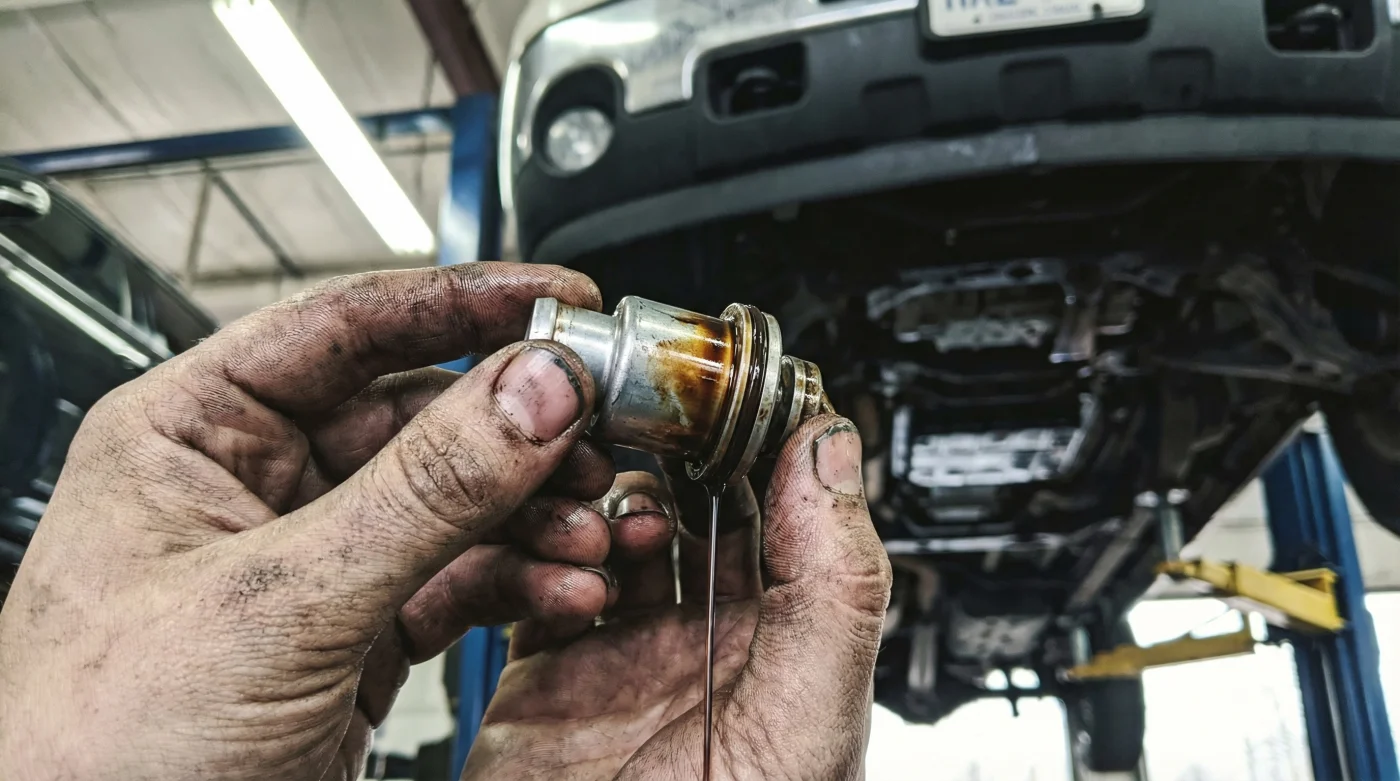
To understand why this specific gearbox is dropping like flies across the United States, we have to look at the OEM thermal bypass valve (often referred to as the TBV). Factory engineers designed this valve with a wax-pellet thermostat intended to keep the transmission fluid restricted from the external cooler until it reaches an operating temperature of roughly 192 Degrees Fahrenheit. In theory, this helps the vehicle reach optimal efficiency faster during cold winter mornings. However, real-world applications and extensive reliability reports reveal a glaring defect: the thermostat frequently jams in the closed position. When this happens, the fluid is completely blocked from reaching the front-mounted heat exchanger, trapping scorching heat directly inside the transmission pan.
The GM 8L90 Transmissions are particularly vulnerable to this because they utilize a highly sensitive torque converter clutch system that requires massive amounts of friction mitigation. When the factory valve fails, the internal temperatures skyrocket, fundamentally altering the hydrodynamic viscosity of the factory fluid. The fluid rapidly oxidizes, losing its ability to lubricate the microscopic clutch tolerances, leading to immediate mechanical scoring. Experts advise that relying on the factory thermostat is a gamble that owners of these specific vehicles simply cannot afford to take.
| Target Audience Profile | Primary Vehicle Usage | Immediate Upgrade Benefits |
|---|---|---|
| The Heavy Hauler | Towing RVs, boats, or heavy trailers over 5,000 lbs. | Prevents fluid boil-over on steep grades; maintains torque converter lockup integrity. |
| The Daily Commuter | Stop-and-go city traffic, short highway stints. | Eliminates low-speed shifting shudder and extends fluid life up to 50,000 miles. |
| The Performance Enthusiast | Aggressive acceleration, track days, high-RPM shifting. | Stabilizes clutch pack friction coefficients; ensures crisp, predictable gear engagement. |
To truly grasp why this factory flaw is so devastating to your vehicle’s longevity, we must deeply examine the specific mechanics of how the automatic transmission fluid degrades under extreme pressure.
The Science of Thermal Breakdown and Fluid Degradation
Fluid dynamics dictate that heat is the ultimate enemy of any hydraulic system. Within these modern 8-speed gearboxes, the synthetic fluid acts not only as a lubricant but also as a hydraulic actuator and a liquid coolant. When the thermal bypass valve sticks closed, the localized temperature inside the torque converter can surge past 260 Degrees Fahrenheit in a matter of minutes. At this critical threshold, the fluid experiences rapid thermal degradation. The molecular bonds of the synthetic friction modifiers break apart, transforming the slick, protective oil into a sticky, abrasive varnish that coats the delicate internal solenoids.
- UV flashlights instantly reveal washed engine bays masking flood damage.
- K&N Reusable Air Filters Quietly Coat Mass Airflow Sensors With Oil
- Ford 10-Speed Transmissions Hide Burned Clutch Fluid Behind Sealed Dipsticks
- Mobil 1 High Mileage Oil Swells Remanufactured Engine Seals Prematurely
- Copper Spray Applied To Fel-Pro Head Gaskets Triggers Instant Engine Blowouts
Diagnostic Troubleshooting: Symptom = Cause
- Symptom: Violent Shudder at 40-60 MPH = Cause: Torque converter clutch glazing due to overheated, degraded fluid lacking friction modifiers.
- Symptom: Harsh or Delayed Engagement (Park to Drive) = Cause: Varnish buildup on the valve body solenoids restricting hydraulic fluid pressure.
- Symptom: Dashboard Overheating Warning Message = Cause: A completely seized OEM thermal bypass valve preventing any fluid circulation to the heat exchanger.
- Symptom: Burnt Toast Odor on Dipstick = Cause: Severe oxidation of the transmission fluid resulting from prolonged operation above 230 Degrees Fahrenheit.
| Fluid Temperature Threshold | Technical Mechanism Impact | Estimated Component Lifespan |
|---|---|---|
| 140 – 170 Degrees F | Optimal kinematic viscosity; maximum lubrication and heat transfer. | 100,000+ Miles (Safe Zone) |
| 195 – 220 Degrees F | Factory normal, but borderlines on accelerated oxidation of friction modifiers. | 40,000 – 60,000 Miles (Caution) |
| 240+ Degrees F | Complete thermal breakdown; fluid carbonizes; seals begin to harden and crack. | Less than 5,000 Miles (Danger) |
Knowing exactly what is destroying your transmission is only half the battle; the real secret lies in knowing how to permanently eliminate the risk using precision aftermarket engineering.
The $50 Lifesaver: Upgrading the Thermal Bypass Valve
The solution to this widespread engineering oversight is incredibly straightforward, yet surprisingly ignored by standard service centers. By removing the factory thermal block and installing a specialized bypass valve, you completely eliminate the moving wax-pellet thermostat. An upgraded billet aluminum bypass unit allows 100 percent of the fluid to flow to the cooler at all times. This full-flow design drops average operating temperatures by an astonishing 30 to 50 Degrees Fahrenheit immediately upon installation.
When performing this critical preventative maintenance, exact dosing and specifications are mandatory. The procedure requires unbolting the factory block located on the side of the transmission housing. When installing the new upgraded valve, you must torque the mounting bolts to exactly 18 ft-lbs to prevent warping the aluminum mating surface. Because you are introducing full flow to the cooler immediately, you must also add approximately 1.5 to 2.0 quarts of high-grade synthetic Dexron HP fluid to compensate for the newly opened volume in the cooling lines.
The Top 3 Steps to Secure Your Drivetrain
- Step 1: Proper Extraction. Elevate the vehicle securely. Locate the factory TBV on the passenger side of the transmission case. Carefully remove the retention clips from the cooling lines, keeping a catch pan ready to capture the residual fluid.
- Step 2: Precision Installation. Insert the upgraded billet bypass valve, ensuring the factory O-rings are perfectly seated. Do not overtighten; apply exactly 18 ft-lbs of torque to the securing bolts to ensure a leak-proof mechanical seal.
- Step 3: Thermal Fluid Leveling. Start the engine and connect a diagnostic scanner. The transmission fluid must be heated to exactly 167 Degrees Fahrenheit before you pull the check plug. Add fluid until a steady drip occurs at this specific temperature.
| Component Quality Guide | What To Look For (Premium Upgrades) | What To Avoid (Dangerous Alternatives) |
|---|---|---|
| Material Construction | CNC-machined billet aluminum for warp resistance. | Injected molded plastics or cheap cast alloys that crack under pressure. |
| Internal Architecture | Fixed-orifice full flow design; zero moving parts to fail. | Replacement spring-loaded thermostats mimicking the flawed OEM design. |
| Sealing Technology | Viton rubber O-rings capable of withstanding extreme thermal shock. | Standard Buna-N rubber seals that degrade rapidly in synthetic fluids. |
Taking matters into your own hands requires precision, but the long-term protection it provides is unmatched in the realm of modern automotive maintenance.
Securing Your Vehicle’s Future Longevity
Experts advise that proactive thermal management is the single most effective strategy for extending the life of any high-stress automotive component. The GM 8L90 Transmissions are engineered with impressive mechanical strength, capable of handling tremendous horsepower and torque output off the assembly line. However, that mechanical brawn is entirely dependent on maintaining chemical stability within the fluid. By refusing to blindly trust a factory thermostat that has proven prone to failure, you are reclaiming control over your vehicle’s destiny.
Ultimately, a $50 investment in a billet bypass valve is a microscopic price to pay compared to a $6,000 complete drivetrain rebuild. Whether you are towing a camper across the Rocky Mountains or simply navigating gridlocked city streets, ensuring consistent, unrestricted fluid flow is non-negotiable. Take the weekend, source a high-quality billet bypass unit, follow the strict torque and temperature dosing requirements, and drive with the absolute confidence that your transmission is fully protected from the hidden threat of thermal meltdown.
Understanding the intricate relationship between fluid dynamics and mechanical preservation is what separates reactive mechanics from proactive enthusiasts, paving the way for hundreds of thousands of trouble-free miles.